Now It’s Vladimir Putin’s Turn to Visit Beijing
Why It Matters
The visit could cement a multi‑billion‑dollar energy corridor that reduces Russia’s reliance on Europe and strengthens China’s gas supply, reshaping global energy geopolitics.
Key Takeaways
- •Putin’s Beijing trip targets the Power of Siberia 2 pipeline
- •Pipeline could supply up to 38 billion cubic metres of gas annually
- •Visit deepens Russia‑China strategic alignment amid sanctions
- •Energy deal may shift Europe’s gas import dynamics
- •Timing follows Trump’s informal garden walk with Xi
Pulse Analysis
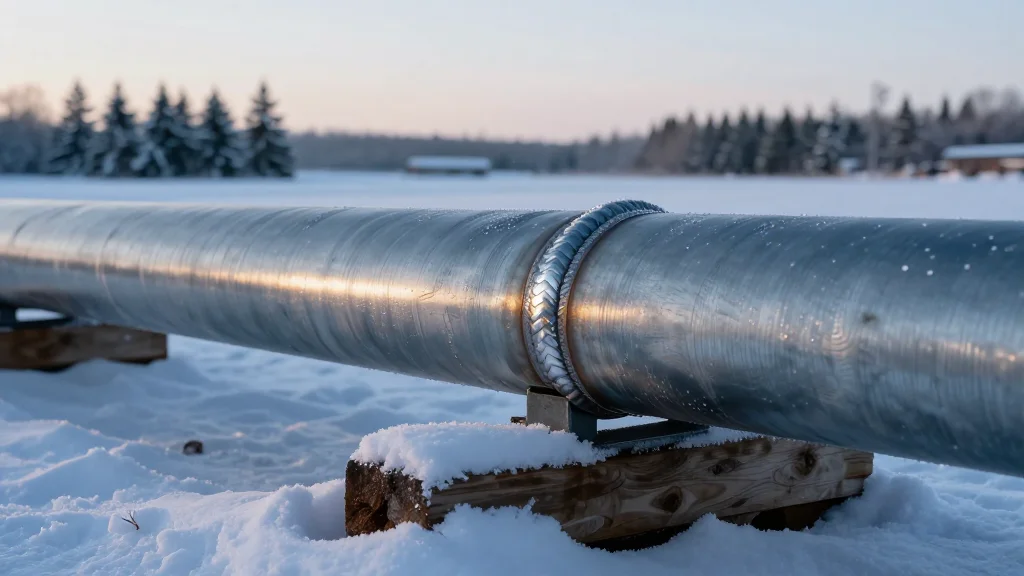
Russia’s energy outreach to China has been a long‑term priority, but the Power of Siberia 2 pipeline remains the centerpiece of that strategy. The 3,000‑kilometre conduit, slated to begin operations in 2027, will transport up to 38 billion cubic metres of natural gas each year, diversifying China’s fuel mix and providing Moscow with a reliable revenue stream as European demand wanes under sanctions. By locking in financing and commercial terms during Putin’s Beijing visit, both capitals aim to showcase a resilient partnership that can weather Western pressure.
The diplomatic backdrop adds layers of complexity. President Trump’s casual stroll with Xi in Zhongnanhai highlighted the United States’ attempt to re‑engage China, yet the swift announcement of Putin’s trip suggests Beijing is prioritising its ties with Moscow. This move signals to Washington that the two authoritarian powers are coordinating on strategic fronts, from energy to security. Analysts note that the timing may also serve as a bargaining chip for Russia, leveraging Chinese support to mitigate the impact of sanctions on its energy sector.
For markets, the pipeline’s eventual output could reshape global gas pricing. Europe, still grappling with supply volatility, may see reduced Russian pipeline volumes offset by increased Chinese demand, potentially stabilising Asian spot prices. Meanwhile, investors in European energy firms could face heightened competition as Chinese imports grow. The deal also underscores a broader shift: major powers are increasingly forging bilateral infrastructure projects to bypass traditional Western‑dominated financial channels, a trend that could redefine the architecture of global trade and investment.
Now it’s Vladimir Putin’s turn to visit Beijing
Comments
Want to join the conversation?
Loading comments...