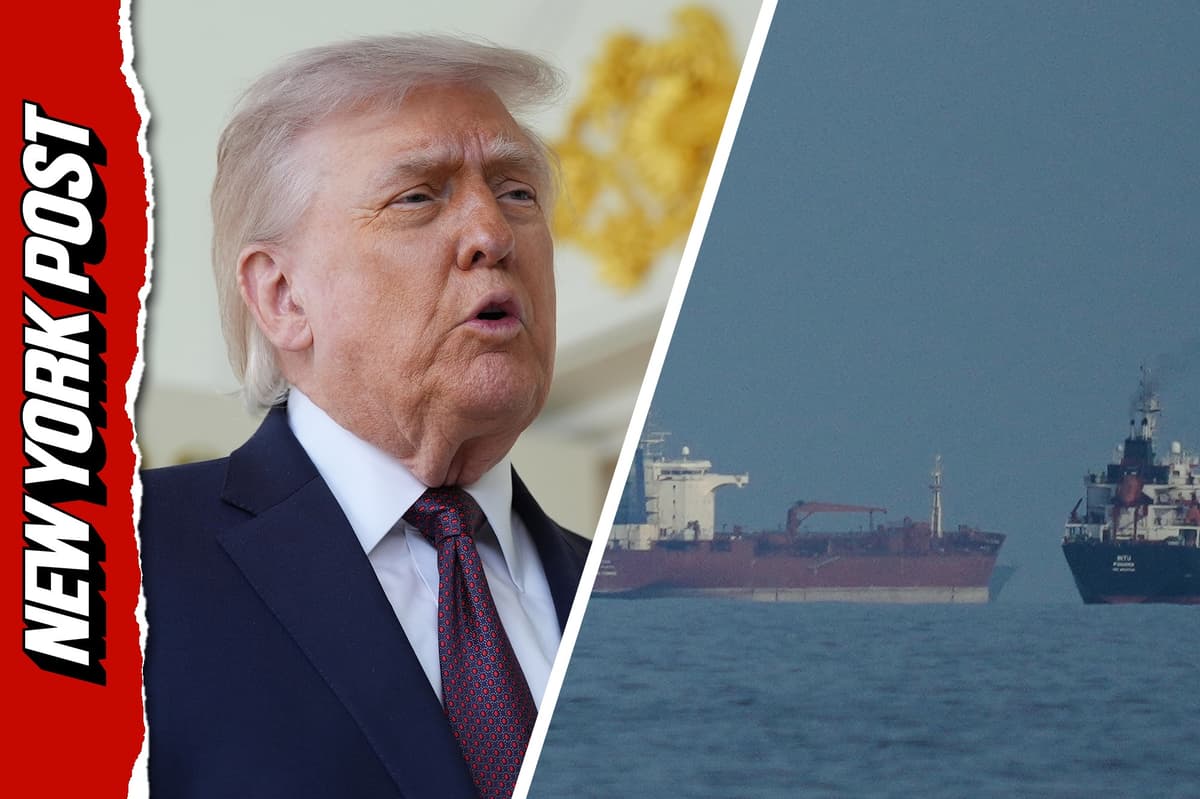
Oil ‘Powder Keg’: Trump Says Hormuz Blockade May Last All Summer
Why It Matters
A prolonged Hormuz closure would tighten global oil supplies, driving prices to historic highs and amplifying inflationary pressures across energy‑intensive sectors. The ancillary impact on fertilizer availability could translate into food insecurity for vulnerable economies.
Key Takeaways
- •U.S. distillate inventories may drop below 100 million barrels
- •Oil may exceed $150/barrel if Hormuz stays shut
- •Fertilizer supply cut may trigger food shortages in import‑dependent nations
- •Rising transport costs could inflate prices of goods worldwide
Pulse Analysis
The Strait of Hormuz, a chokepoint for roughly a fifth of the world’s petroleum trade, has become a geopolitical flashpoint as the United States and Iran clash over maritime access. President Trump’s public optimism masks a reality where U.S. fuel stocks are edging toward their lowest level in over twenty years, a situation that limits the administration’s ability to temper market volatility through strategic releases. Analysts now focus on inventory data rather than rhetoric, noting that once U.S. distillate reserves slip below the 100‑million‑barrel threshold, any further supply shock will likely translate directly into higher retail gasoline and diesel prices.
Beyond the immediate energy market, the Hormuz blockade threatens the global fertilizer supply chain. Approximately one‑third of the world’s nitrogenous fertilizer passes through the Persian Gulf; a sustained interruption could shave roughly 9% off global trade volumes. While major producers like the United States and China can offset some loss, fertilizer‑importing nations—particularly India—face tighter planting windows and reduced yields, setting the stage for food price spikes in 2027. The ripple effect extends to animal feed, pushing meat, dairy, and egg prices upward and adding pressure to already strained household budgets.
The broader economic implications are stark. If oil prices breach $150 per barrel, the cost of transporting goods, manufacturing plastics, and operating heavy industry will rise sharply, feeding a feedback loop of inflation. Policymakers must weigh diplomatic avenues to reopen the strait against the fiscal fallout of a prolonged supply crunch. In the meantime, businesses should hedge exposure to energy price swings and monitor fertilizer market signals to mitigate downstream cost pressures.
Oil ‘powder keg’: Trump says Hormuz blockade may last all summer
Comments
Want to join the conversation?
Loading comments...