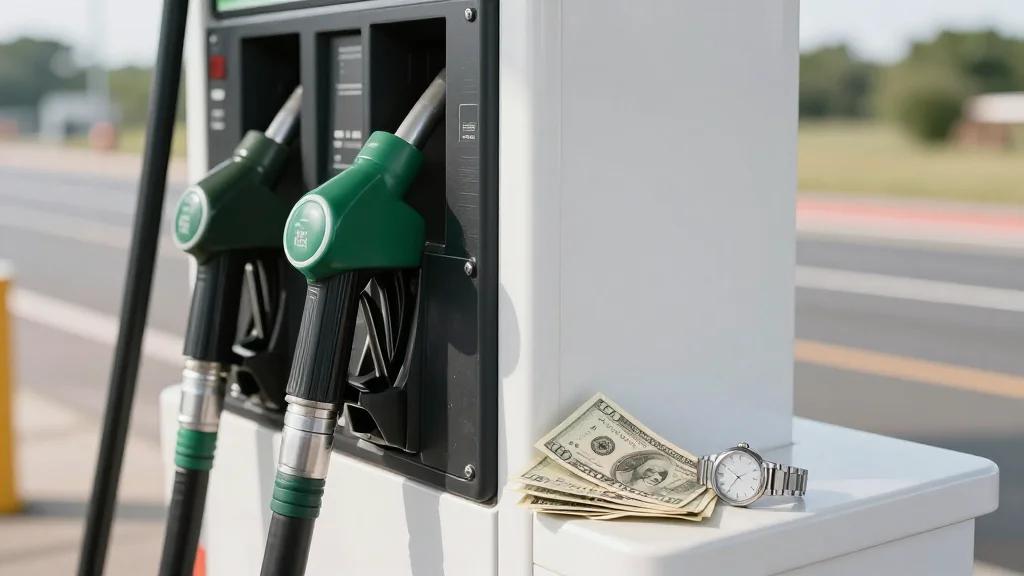
Pain At The Pump Not So Bad For Americans
Why It Matters
The metric shows that rising wages are cushioning consumers from raw price shocks, preserving disposable income and stabilizing demand for transportation. Policymakers can gauge inflation pressures more accurately by looking at affordability rather than headline prices alone.
Key Takeaways
- •Gas price up 40% since war began
- •Current cost: $4+ per gallon, 7.7 minutes of work
- •2022 required 10.7 minutes; 1990s about 5 minutes
- •Wage growth offsets price spikes, keeping affordability near 21st‑century average
- •Fuel affordability remains modest, limiting impact on household budgets
Pulse Analysis
The recent surge in U.S. gasoline prices, driven largely by geopolitical tensions, has captured headlines, but a deeper look reveals a more nuanced story. By dividing the average pump price by hourly wages, analysts find that Americans now spend roughly 7.7 minutes of labor to fill a gallon. This metric, often called the “minutes‑per‑gallon” index, smooths out raw price volatility and highlights the role of wage growth in maintaining purchasing power. While the headline $4‑plus per gallon feels steep, the labor cost remains anchored near the long‑term average for the 21st century.
Historical comparisons underscore the importance of earnings trends. In June 2022, drivers needed 10.7 minutes of work per gallon, a clear uptick from today’s figure. The 1990s, a period of lower nominal prices, required only about five minutes, reflecting both cheaper fuel and slower wage growth. Over the past quarter‑century, real wages have risen faster than fuel costs, pulling the minutes‑per‑gallon ratio back toward its historical norm. This convergence suggests that, despite headline inflation, the average American household faces a manageable fuel expense relative to income.
For businesses and policymakers, the affordability index offers a practical gauge of consumer resilience. If wages continue to outpace fuel price hikes, discretionary spending on travel, logistics, and related services may remain stable, cushioning broader economic activity. Conversely, a slowdown in wage growth could reverse this trend, amplifying the impact of future price shocks. Monitoring the minutes‑per‑gallon metric thus provides early insight into inflationary pressures and helps shape targeted fiscal or monetary responses.
Pain At The Pump Not So Bad For Americans
Comments
Want to join the conversation?
Loading comments...