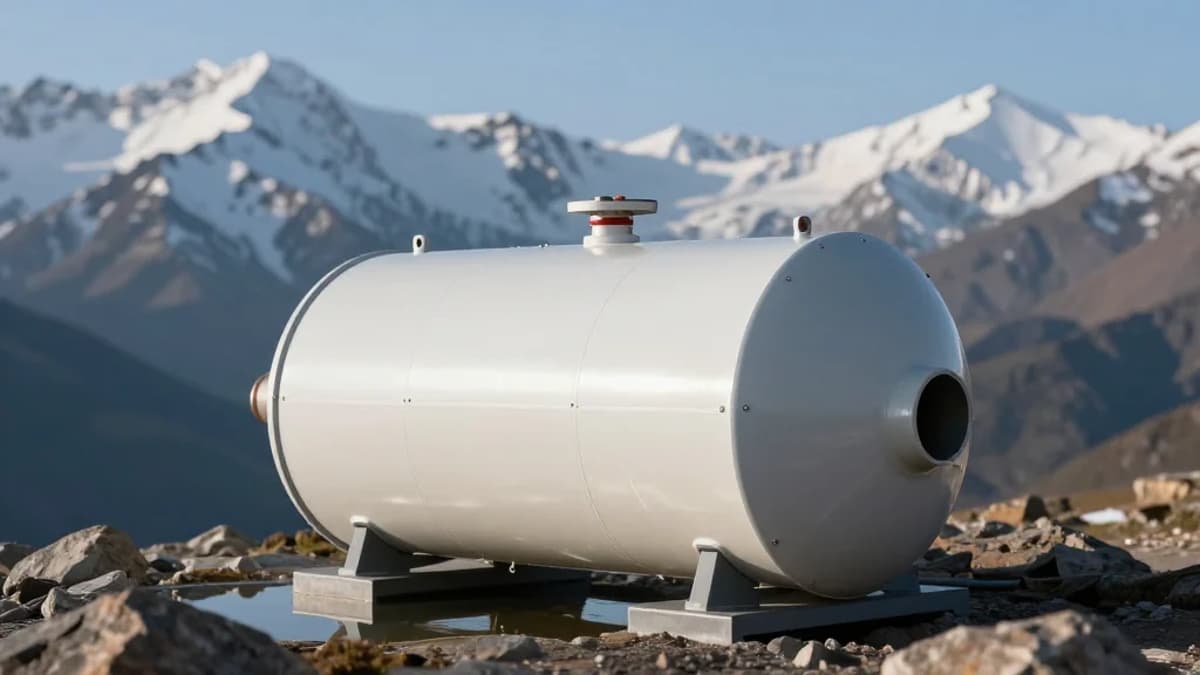
Russia’s Offer to Build a Small Nuclear Reactor in Kyrgyzstan and Its Implications
•February 18, 2026
0
Why It Matters
The deal could secure Kyrgyzstan’s energy future while deepening its strategic dependence on Russia, reshaping Central Asian power dynamics and nuclear market competition.
Key Takeaways
- •SMR offers baseload power independent of water cycles
- •Project deepens Kyrgyzstan's long‑term reliance on Russia
- •Capital‑intensive build requires decades to recoup investment
- •Public support split; safety concerns may spark opposition
Pulse Analysis
Kyrgyzstan’s energy system is perched on a fragile hydropower foundation, with more than 90% of electricity generated from the Toktogul cascade. Seasonal droughts and aging Soviet‑era plants have turned occasional deficits into a structural crisis, prompting the government to declare an energy emergency in 2023. In this context, a small modular reactor promises continuous baseload output, reducing reliance on water‑dependent generation and potentially stabilising winter power supply. The Russian offer aligns with Moscow’s post‑2022 strategy to export high‑tech infrastructure to friendly states, positioning Rosatom’s SMR as a geopolitical tool as well as a commercial product.
Beyond the technical appeal, the SMR proposal carries significant geopolitical weight. By embedding Russian nuclear technology in Kyrgyzstan, Moscow secures a long‑term foothold in Central Asia, extending influence through fuel supply chains, maintenance contracts, and regulatory oversight. This mirrors Russia’s broader effort to diversify exports away from raw materials and counterbalance growing U.S. and Chinese interest in the regional nuclear market. The project also reshapes the water‑energy‑food nexus: reliable winter power could free upstream states to release more water for downstream irrigation, altering long‑standing bargaining dynamics with Kazakhstan and Uzbekistan.
However, the financial and political costs are steep. SMRs remain capital‑intensive, with payback periods spanning decades, and Kyrgyzstan would likely cede control over critical components such as fuel procurement and waste management. Domestic opinion is divided—58% favor nuclear development, yet safety and seismic risks provoke strong opposition. Successful implementation will require transparent public engagement, a robust independent regulator, and contingency plans that limit strategic lock‑in. Absent these safeguards, the SMR could become a liability, binding Kyrgyzstan to Russian leverage rather than delivering sustainable energy security.
Russia’s offer to build a small nuclear reactor in Kyrgyzstan and its implications
0
Comments
Want to join the conversation?
Loading comments...