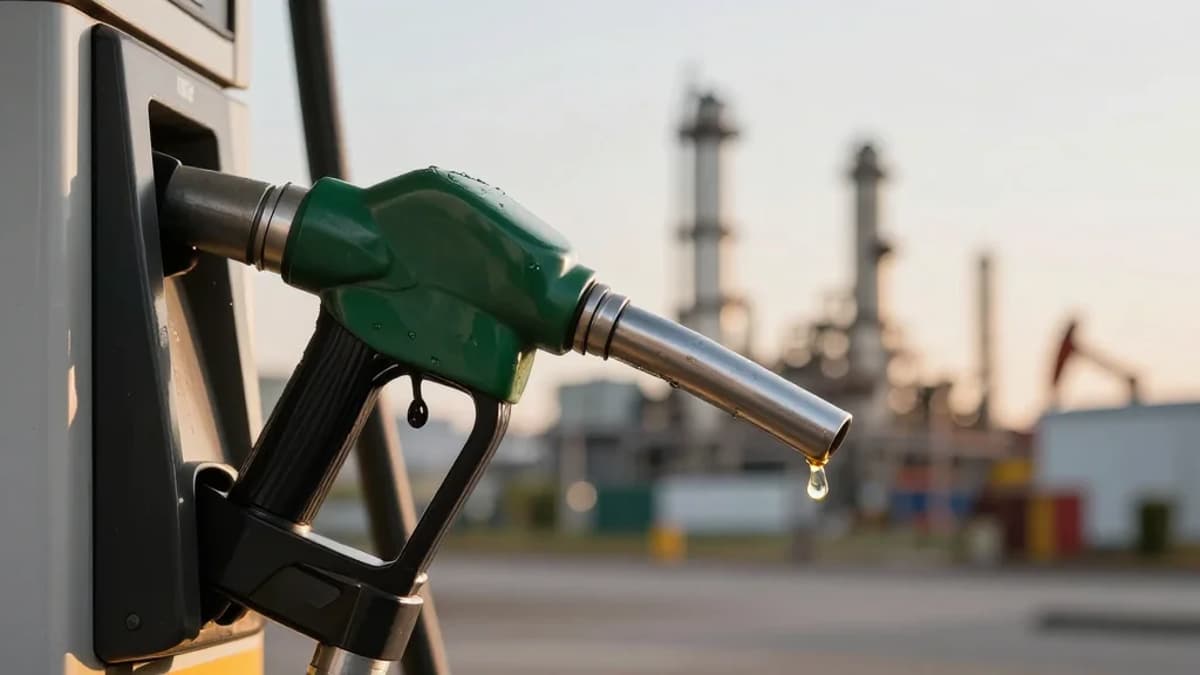
Since February, Rising Gas Prices Have Added to Inflation.
•March 11, 2026
0
Why It Matters
The jump in fuel costs adds pressure to consumer budgets and could keep inflation above the Federal Reserve’s target, influencing monetary policy decisions.
Key Takeaways
- •Gasoline prices rose 20% since Feb 28 strikes.
- •CPI February data excludes recent fuel price surge.
- •Higher gas costs will push overall inflation higher.
- •Fuel expense remains a large share of household budgets.
- •Oil market volatility tied to geopolitical tensions.
Pulse Analysis
The February 28 coordinated strikes by the United States and Israel disrupted crude‑oil shipments across the Middle East, tightening global supply and sending benchmark prices sharply higher. With OPEC‑plus output already constrained, the market reacted by bidding up futures, a move that quickly filtered through to retail gasoline pumps. Historically, a 10‑percent rise in crude translates to roughly a 5‑percent increase at the pump, but this episode produced a 20‑percent jump, underscoring how geopolitical shocks can amplify energy cost volatility for American consumers.
The Consumer Price Index for February, scheduled for release later Wednesday, will not capture this latest fuel surge, leaving the official inflation reading slightly understated. However, the Bureau of Labor Statistics incorporates gasoline as a core component of the CPI, meaning the 20‑percent price jump will feed directly into headline inflation once the March data are compiled. For households, gasoline accounts for roughly 5‑6 percent of total expenditures, so the added cost erodes disposable income and can shift spending away from durable goods and services, further reinforcing upward price pressure across the economy.
Policymakers are likely to monitor the fuel‑driven inflationary tail as the Federal Reserve evaluates its rate‑setting path. If gasoline prices remain elevated, the central bank may delay any interest‑rate cuts, aiming to anchor inflation expectations. Meanwhile, consumers and businesses can mitigate exposure through fuel‑efficiency measures, alternative energy adoption, and strategic hedging of transportation costs. Market analysts also expect oil producers to respond by increasing output if prices stay above the $80‑per‑barrel threshold, which could eventually temper pump prices and relieve inflationary pressure.
Since February, rising gas prices have added to inflation.
0
Comments
Want to join the conversation?
Loading comments...