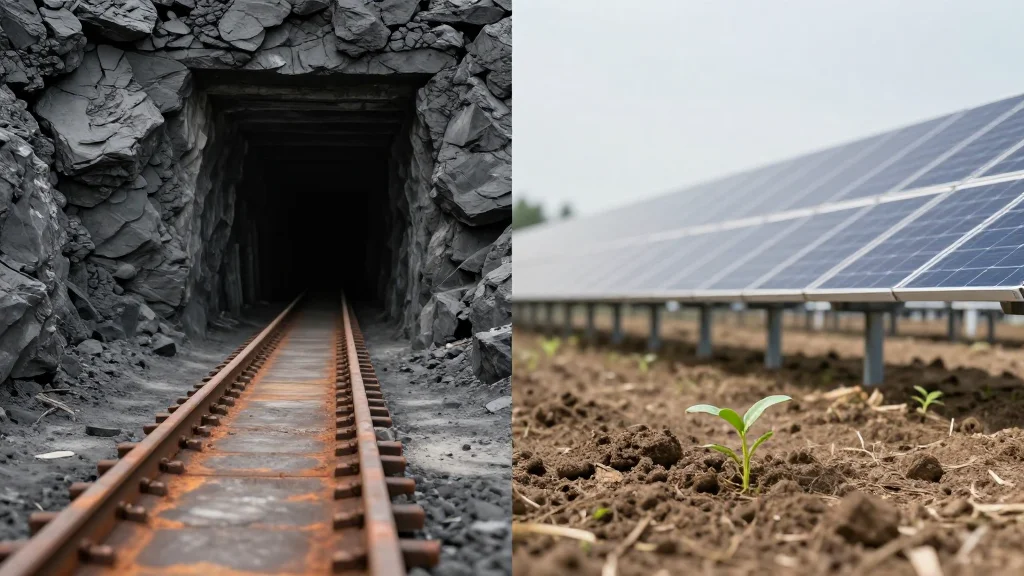
South Africa’s Coal Phase‑Out Stalled by Abandoned Mine Waste and Water Pollution

Why It Matters
The report exposes a systemic weakness in South Africa’s mining regulation that could undermine the country’s climate commitments under the Paris Agreement. Unaddressed mine waste not only threatens water security for millions but also creates a costly liability that could deter foreign investment in renewable infrastructure. By highlighting the scale of financial shortfalls—none of the 412 closed mines have adequate guarantees—the findings pressure the government to act before environmental damage becomes irreversible. Moreover, the legacy of acid mine drainage and radioactive tailings poses long‑term health risks, potentially escalating public opposition to new energy projects. A credible cleanup framework would signal to investors that South Africa can manage its transition responsibly, unlocking financing for solar, wind, and storage projects needed to replace coal’s dwindling share.
Key Takeaways
- •CER report finds 0% of 412 closed coal mines have sufficient rehabilitation funds.
- •Rehabilitation costs can exceed $28 million per mine, often leading to bankruptcies.
- •Coal still generated 74.31% of South Africa’s electricity in 2025.
- •More than 100 mines in Mpumalanga, the nation’s coal hub, are now abandoned sites.
- •Parliamentary hearings on mining reform scheduled for Q3 2026.
Pulse Analysis
South Africa’s coal phase‑out is not just a question of building renewable capacity; it is equally a matter of managing the environmental debt left by decades of mining. The CER report reveals a regulatory blind spot: the lack of a enforceable, centralized fund for mine rehabilitation. This gap creates a two‑fold risk—environmental degradation that can trigger costly litigation and a credibility gap that may stall renewable investment.
Historically, South Africa’s mining sector has operated under a model where companies post guarantees that are rarely called upon. The absence of a transparent registry means that when a mine closes, the state often has no recourse to retrieve the pledged funds. In contrast, jurisdictions like Canada and Australia have instituted mandatory reclamation bonds that are automatically transferred to a public trust upon closure, ensuring that cleanup proceeds regardless of a company’s solvency. Adopting a similar mechanism could close the financing loophole and provide a predictable cost base for the government.
From a market perspective, the lingering waste sites could become a bargaining chip for renewable developers. If the state ties new renewable licences to the remediation of nearby abandoned mines, it could create a win‑win scenario: clean energy projects gain community acceptance while legacy pollution is addressed. However, this approach requires clear policy signals and a reliable funding pipeline. The upcoming parliamentary hearings will be a litmus test for whether South Africa can align its environmental remediation with its climate ambition, setting a precedent for other coal‑dependent economies facing similar legacy challenges.
South Africa’s Coal Phase‑Out Stalled by Abandoned Mine Waste and Water Pollution
Comments
Want to join the conversation?
Loading comments...