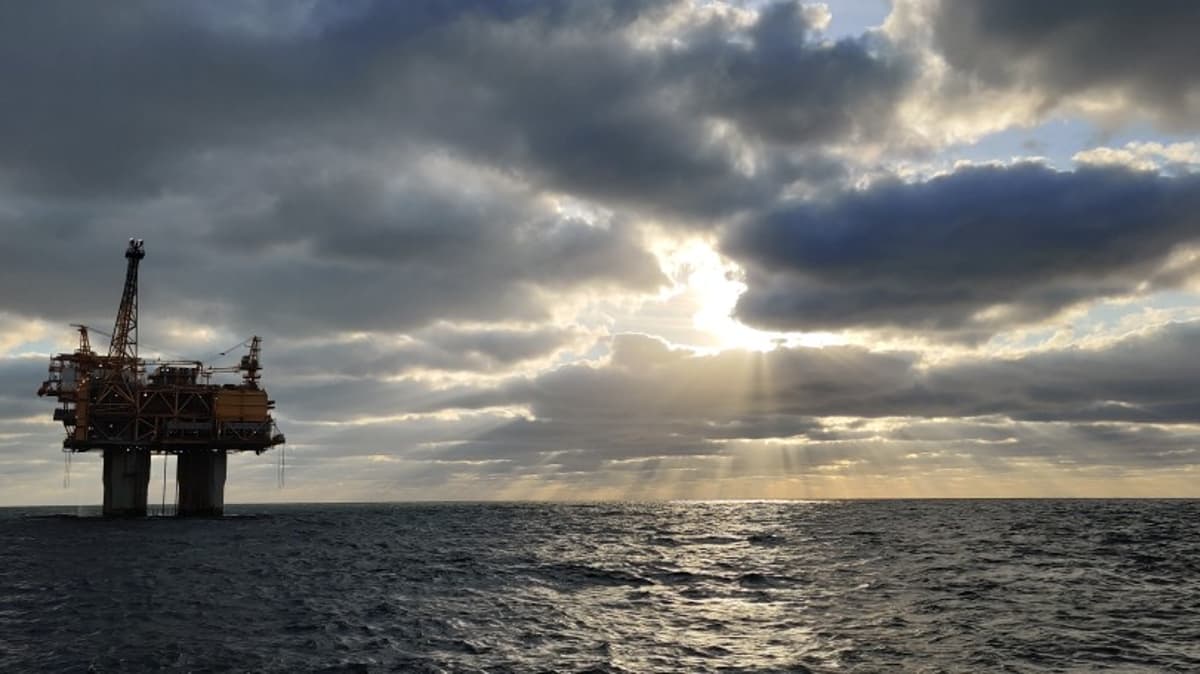
Suriname’s Delayed Oil Boom Is Finally Ready for Takeoff
Companies Mentioned
Why It Matters
The project promises a transformative fiscal windfall for Suriname, potentially lifting the nation into the region’s higher‑income tier while attracting further foreign investment in South America’s emerging offshore frontier.
Key Takeaways
- •Gran Morgu 50% complete; first oil expected 2028
- •Capacity 220,000 bbl/day at $40‑45 breakeven
- •Staatsolie holds 20% stake, valued at $2.4 billion
- •Projected $26 billion revenue for Suriname government
- •Facility targets <16 kg CO₂ per barrel
Pulse Analysis
Suriname’s oil renaissance finally gained momentum after years of missed targets and delayed investment decisions. The Gran Morgu project, a $10.5 billion venture in Block 58, combines the Sapakara and Krabdagu discoveries into a 16‑well production and injection scheme. With a name‑plate output of 220,000 barrels per day and a low breakeven range of $40‑45 per barrel, the development aligns with the industry’s shift toward cost‑efficient, high‑margin fields. TotalEnergies’ all‑electric, low‑emission design further differentiates the project, aiming for carbon intensity under 16 kg CO₂ per barrel—well below the global average.
The fiscal implications for Suriname are profound. Staatsolie’s 20% participation, acquired for roughly $2.4 billion, translates into a direct share of the anticipated $26 billion revenue stream once the field reaches full capacity. This influx could dramatically improve the country’s per‑capita GDP, which currently lags behind regional peers, and provide a stable fiscal base for infrastructure and social programs. Moreover, the project’s 30‑year production‑sharing contracts offer long‑term revenue certainty, making Suriname an attractive destination for ancillary service providers and downstream investors.
Regionally, Suriname’s emerging oil hub complements Guyana’s established boom and signals a broader offshore surge in the Guyana‑Suriname basin. Upcoming projects such as Petronas‑led Block 52 and the Sloanea‑1 gas development promise to diversify the energy mix and address growing natural‑gas demand in the Caribbean. As neighboring Trinidad and Tobago faces declining reserves, Suriname’s low‑cost, low‑carbon oil and gas assets could become a strategic supply source, reinforcing the country’s geopolitical relevance and encouraging further multinational participation in South America’s last great offshore frontier.
Suriname’s Delayed Oil Boom Is Finally Ready for Takeoff
Comments
Want to join the conversation?
Loading comments...