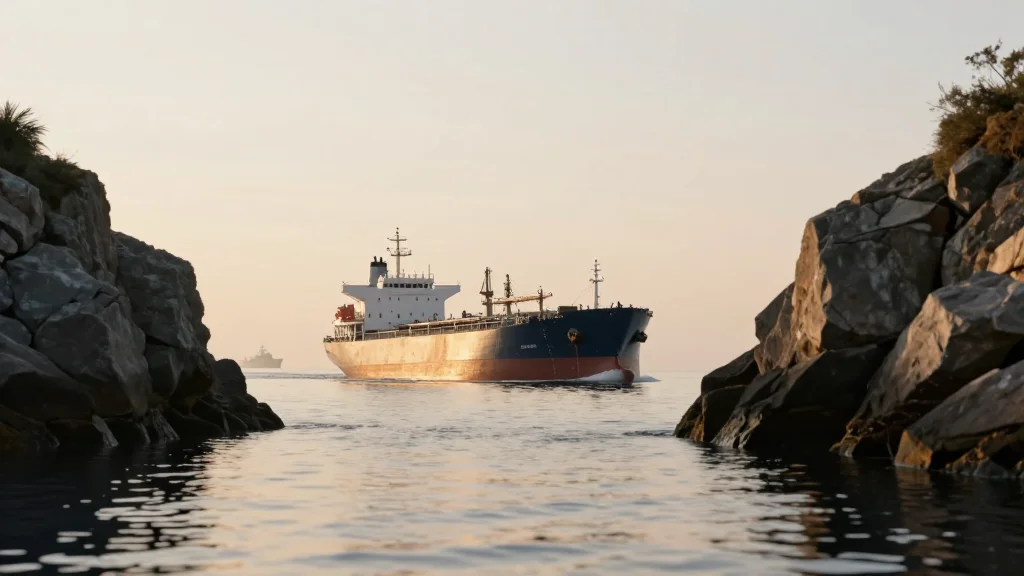
The IEA’s Fatih Birol on ‘the Greatest Energy Security Threat in History’
Why It Matters
The conflict threatens a key oil transit chokepoint, risking higher energy costs that could stall the fragile global economic recovery and force governments to rethink energy security strategies.
Key Takeaways
- •Iran war escalates, disrupting oil flows through Strait of Hormuz
- •IEA warns oil prices will soon reflect on‑ground realities
- •Higher energy costs could push global growth below 2% this year
- •Policymakers urged to diversify supplies and accelerate renewables deployment
Pulse Analysis
The Atlantic Council’s recent podcast featured IEA chief Fatih Birol warning that the war in Iran has become the most serious energy‑security challenge since the oil shocks of the 1970s. By targeting the Strait of Hormuz—a narrow passage that carries roughly 20% of global oil shipments—the conflict threatens to choke a vital artery for crude supplies. Birol’s assessment reflects a broader consensus among analysts that geopolitical volatility in the Middle East can quickly translate into price spikes, especially when spare production capacity remains limited.
When oil prices begin to "converge" with the on‑the‑ground reality, the ripple effects extend far beyond the energy sector. Higher fuel costs raise transportation and manufacturing expenses, eroding profit margins and squeezing consumer purchasing power. For economies already grappling with post‑pandemic inflation, an abrupt surge could push growth forecasts below 2% for 2026, according to the IMF’s latest outlook. Emerging markets, which import a larger share of their energy needs, face heightened balance‑of‑payments pressures, potentially accelerating debt vulnerabilities and prompting tighter monetary policies.
The warning has immediate policy implications. Governments are urged to diversify supply chains, bolster strategic petroleum reserves, and fast‑track renewable‑energy investments to reduce reliance on volatile oil imports. Regional cooperation on maritime security in the Gulf, coupled with diplomatic efforts to de‑escalate the Iran conflict, could mitigate short‑term disruptions. In the longer term, the episode reinforces the strategic case for accelerating the energy transition, as a more resilient, low‑carbon mix can shield economies from future geopolitical shocks. Stakeholders across finance, industry, and policy circles should therefore prioritize risk‑adjusted energy planning and invest in flexible, clean‑energy infrastructure.
The IEA’s Fatih Birol on ‘the greatest energy security threat in history’
Comments
Want to join the conversation?
Loading comments...