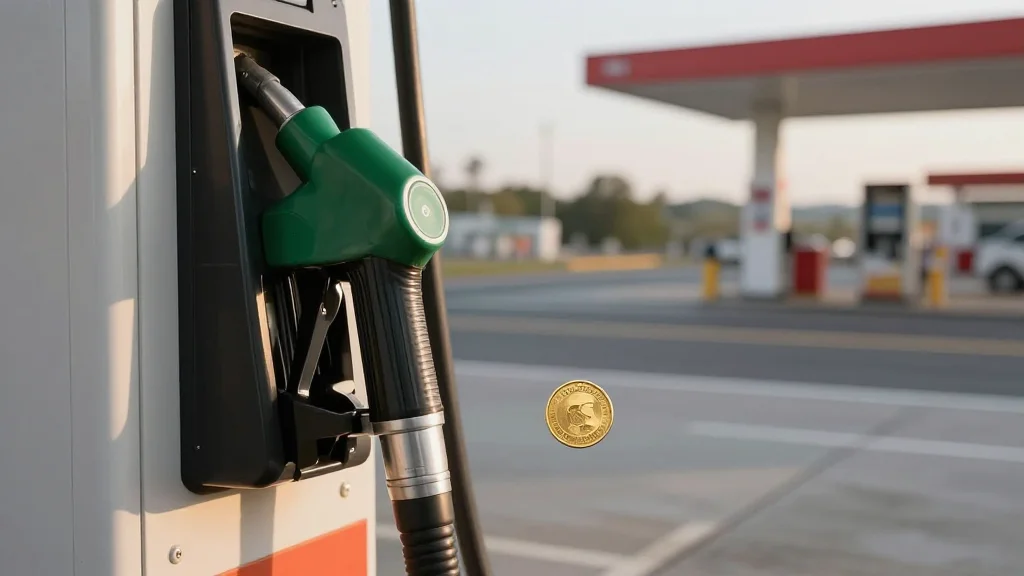
Trump Backs Suspension of US Gasoline Tax
Why It Matters
A fuel‑tax suspension could temporarily ease consumer costs but would create a massive budget shortfall, jeopardizing critical highway funding and raising questions about fiscal priorities during geopolitical uncertainty.
Key Takeaways
- •Trump proposes halting 18.4¢/gal gasoline excise tax
- •Senate bills aim to suspend fuel taxes through Oct. 1
- •Yearly tax holiday would cost $39 billion, draining Highway Trust Fund
- •Fuel‑tax pause could lower consumer prices amid Iran conflict
- •Infrastructure funding gap may appear by June 2027 without tax revenue
Pulse Analysis
The federal gasoline excise tax, set at 18.4 cents per gallon, has long served as a stable revenue stream for the Highway Trust Fund, which finances the nation’s road and bridge projects. With average pump prices hovering near $4.45 per gallon, the Trump administration is framing a tax suspension as a quick fix to alleviate consumer pain, especially as the conflict in the Strait of Hormuz keeps oil markets volatile. While the tax represents a small slice of the pump price, its removal could shave a few cents off every fill‑up, offering tangible relief for drivers across the United States.
Congressional interest in a fuel‑tax holiday is unusually bipartisan. Republican Senator Josh Hawley and Democratic Senators Mark Kelly and Richard Blumenthal have all introduced legislation to pause the tax, reflecting widespread political appetite for immediate price relief. However, the Committee for a Responsible Federal Budget estimates that suspending both gasoline and diesel taxes would erase about $39 billion in annual revenue, accelerating the depletion of the Highway Trust Fund. Without that cash flow, the fund could run out of money by June 2027, forcing states to seek alternative financing or cut back on critical maintenance projects.
The debate underscores a classic policy trade‑off: short‑term consumer benefits versus long‑term infrastructure health. While a tax holiday might boost public approval for the administration amid geopolitical tensions, it also risks undermining the fiscal foundation for road safety and economic productivity. Policymakers may need to explore complementary measures—such as targeted subsidies, strategic reserves releases, or temporary financing mechanisms—to balance immediate price pressures with the sustained funding required for America’s aging transportation network.
Trump backs suspension of US gasoline tax
Comments
Want to join the conversation?
Loading comments...