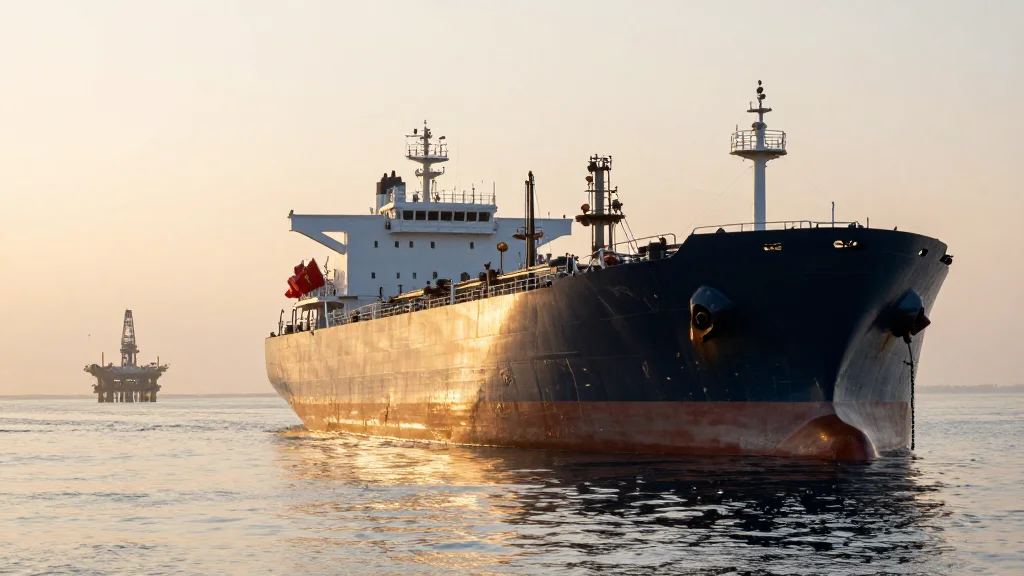
Trump Claims China Will Buy US Oil Amid Strait of Hormuz Disruptions

Why It Matters
The alleged China‑U.S. oil deal highlights the strategic importance of energy supplies amid escalating Middle‑East conflict. If realized, it would diversify China’s import sources away from the Hormuz corridor, potentially stabilizing global oil prices and reducing the leverage Iran holds over the market. For the United States, securing a major buyer for its shale output could boost export revenues, support domestic producers, and reinforce its geopolitical standing. Beyond immediate market effects, the announcement tests the limits of presidential diplomacy in the energy sector. It raises questions about the role of informal statements versus formal trade agreements, especially when legal frameworks on both sides are increasingly used as bargaining chips. The outcome will influence how future energy negotiations are conducted between rival powers and could reshape the architecture of global oil trade.
Key Takeaways
- •President Donald Trump announced that China agreed to buy U.S. oil, promising shipments from Texas, Louisiana and Alaska.
- •Iranian attacks on the Strait of Hormuz have disrupted a waterway that carries about 20% of global oil supplies.
- •No details on volume, price or timeline were disclosed; Chinese officials have not confirmed the deal.
- •U.S. crude futures rose roughly 1.2% on the news, reflecting market speculation about new export pathways.
- •Analysts warn that legal and regulatory tensions between Washington and Beijing could impede any formal agreement.
Pulse Analysis
Trump’s oil proclamation is less a commercial contract than a geopolitical signal. By framing China’s alleged purchase as a remedy to Hormuz disruptions, the president is attempting to portray U.S. energy independence as a diplomatic lever. Historically, American shale exports have reshaped global supply chains, but they have never been used as a direct bargaining chip in a high‑stakes diplomatic showdown. If China were to source a meaningful share of its crude from the United States, it would mark a strategic pivot away from the Middle East, reducing Tehran’s ability to weaponize oil flow.
However, the announcement also exposes the fragility of U.S.–China energy ties. Beijing’s recent “Blocking Rules” and its protection of domestic refiners illustrate a willingness to counteract U.S. sanctions with its own legal tools. Without a clear, binding agreement, the rhetoric risks inflating expectations that could backfire if markets do not see actual shipments. Moreover, the lack of transparency may erode confidence among investors who rely on concrete data rather than presidential sound bites.
Looking ahead, the real test will be whether the United States can translate political will into logistical reality. Shipping Chinese‑flagged tankers to U.S. ports would require coordination across customs, maritime law, and sanctions compliance—a complex choreography that could be derailed by either side’s regulatory pushback. If successful, the deal could set a precedent for energy‑driven diplomacy, encouraging other nations to seek alternative supply routes amid geopolitical risk. If it stalls, the episode will reinforce the notion that energy markets remain highly sensitive to political theater, and that substantive trade agreements still demand rigorous negotiation beyond headline‑making statements.
Trump Claims China Will Buy US Oil Amid Strait of Hormuz Disruptions
Comments
Want to join the conversation?
Loading comments...