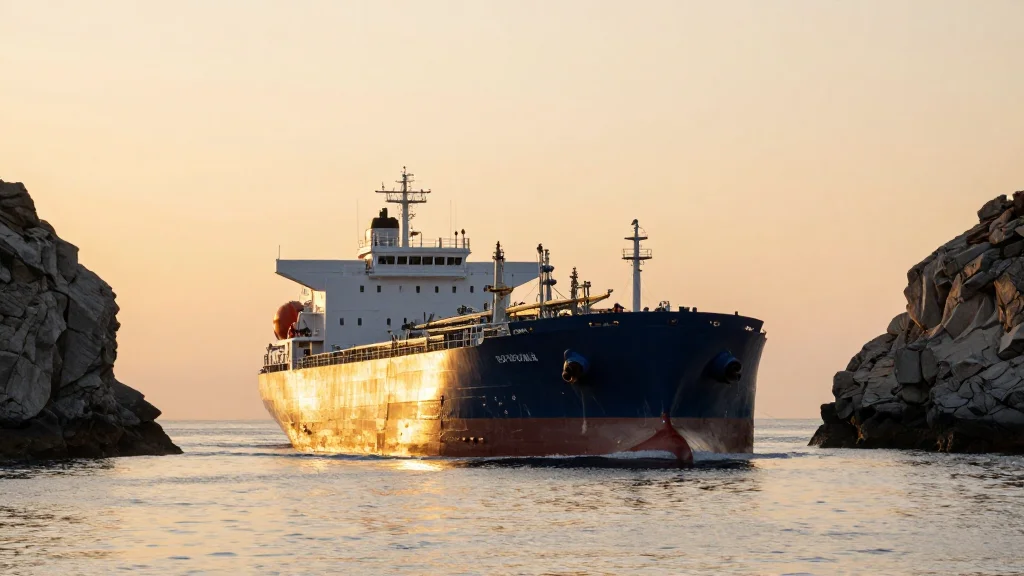
Trump Reviews Iran's 14‑Point Peace Plan as Oil Prices Top $108 per Barrel

Why It Matters
The Strait of Hormuz is a critical chokepoint for global energy security, handling roughly 20% of the world’s oil and liquefied natural gas. Prolonged disruption not only inflates fuel prices for consumers worldwide but also strains the balance sheets of energy‑intensive industries, amplifying inflationary pressures already felt in many economies. A resolution that restores free flow could lower commodity prices, ease supply‑chain bottlenecks, and reduce the risk of a broader regional conflict that would further destabilize markets. Conversely, if diplomatic talks stall and the naval blockade persists, oil and gas prices could remain elevated, prompting governments to seek alternative supply routes or accelerate the transition to renewable energy sources. The outcome will shape investment decisions in both fossil‑fuel infrastructure and clean‑energy projects for years to come.
Key Takeaways
- •President Trump announced he is reviewing Iran's 14‑point peace proposal, expressing doubt about its acceptability.
- •Brent crude settled at approximately $108 per barrel, a 2.7% weekly gain, as Hormuz remains effectively closed.
- •Iranian military officer Mohammad Jafar Asadi warned a renewed US‑Iran conflict is likely.
- •Energy analyst Elena Marquez noted futures markets react sharply to any talk of Hormuz reopening.
- •U.S. gasoline prices have risen above $4.30 per gallon, the highest level since July 2022.
Pulse Analysis
The current standoff over the Strait of Hormuz illustrates how geopolitical risk can dominate commodity pricing, even when underlying supply fundamentals are relatively stable. Historically, any hint of a closure—whether during the 1980s Iran‑Iraq war or the 2019 Gulf tensions—has triggered sharp, short‑term price spikes. This time, however, the market is also pricing in the political calculus of a U.S. administration that has signaled both a willingness to use naval force and a reluctance to commit to a prolonged military engagement.
Trump’s public skepticism about Iran’s proposal serves a dual domestic purpose: it appeases a hard‑line constituency that demands a strong response, while preserving diplomatic flexibility. Yet the rhetoric also raises the cost of any concession, as Tehran may interpret U.S. doubt as a lack of seriousness, potentially hardening its negotiating stance. The Iranian offer to reopen the strait first, before tackling nuclear issues, is a classic confidence‑building measure, but it hinges on the United States lifting its blockade—a move that would undercut a key leverage point in Washington’s strategy.
From an energy market perspective, the price trajectory suggests that traders are betting on a prolonged impasse. The $108 per barrel Brent level is not merely a reflection of supply constraints; it embeds a risk premium for potential escalation. If the strait reopens, we could see a rapid unwind of that premium, but the upside risk—further military action or a broader regional war—remains significant. Investors should monitor not only diplomatic signals but also operational data, such as the number of vessels redirected by U.S. forces (48 in the past 20 days) and any shifts in Iranian oil export patterns. In the longer term, the episode may accelerate diversification efforts, prompting oil‑importing nations to secure alternative routes or increase strategic reserves, while also reinforcing the strategic case for accelerating renewable energy investments to reduce exposure to such chokepoints.
Trump Reviews Iran's 14‑Point Peace Plan as Oil Prices Top $108 per Barrel
Comments
Want to join the conversation?
Loading comments...