Trump’s EPA Seeks Looser Construction Rules for Gas Plants, Data Centers and Factories
Companies Mentioned

Why It Matters
By letting projects break ground earlier, the rule could shave months off the rollout of power and data‑center capacity, but it also risks undermining Clean Air Act safeguards and increasing political pressure on permitting agencies.
Key Takeaways
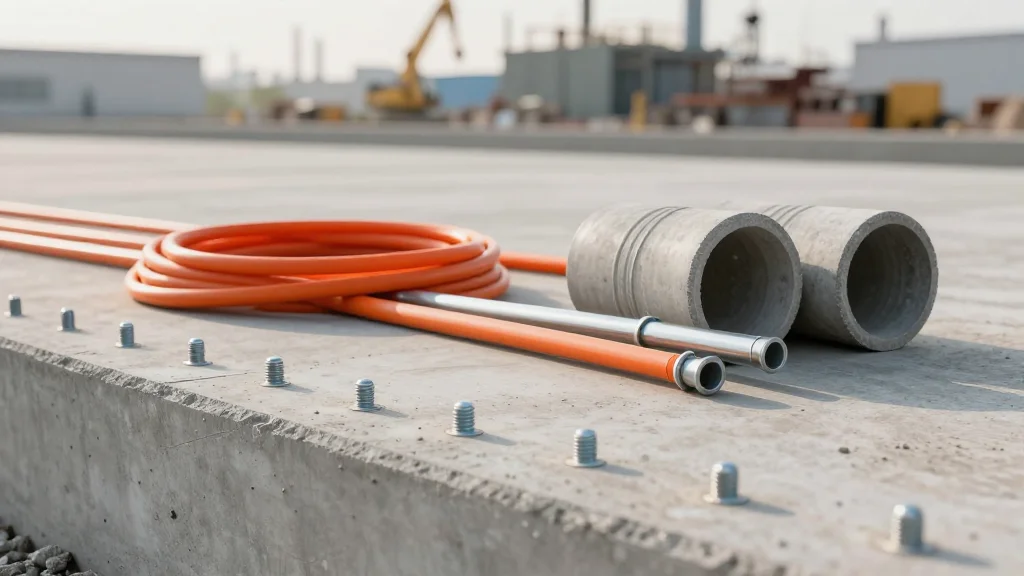
- •EPA proposes allowing pre‑permit work on piping, wiring, and cement pads
- •Rule targets gas plants, data centers, and large factories to speed construction
- •Critics warn it could lock in sunk costs before air‑permit review
- •Faster builds aim to support U.S. AI competitiveness and energy demand
Pulse Analysis
The EPA’s draft definition of “begin actual construction” marks a significant shift in how the Clean Air Act is applied to high‑energy projects. Historically, the law has barred any substantial on‑site work—foundations, major earthmoving, or equipment installation—until an air‑emission permit is issued, ensuring that air‑quality impacts are assessed before irreversible investments are made. By carving out exceptions for activities that do not directly emit pollutants, such as laying pipe, installing wiring or pouring concrete pads, the agency argues it is eliminating bureaucratic delays that have stalled critical infrastructure. The proposal, however, raises questions about whether the line between “non‑polluting” and “polluting” work can be cleanly drawn, especially when early construction can lock in a project's footprint and emissions profile.
The timing of the rule is no coincidence. U.S. data‑center operators, led by Amazon, Microsoft, Google and Meta, are scrambling to meet a surge in AI‑driven workloads that demand massive, reliable power supplies. Dominion Energy recently reported that its data‑center customers alone require roughly 3.5 GW—enough electricity for nearly 900,000 homes—and requests for new capacity have ballooned to 70 GW, dwarfing the utility’s historic peaks. By allowing early construction of gas‑fueled backup plants and supporting infrastructure, the EPA hopes to accelerate the build‑out that underpins the nation’s AI competitiveness, potentially unlocking billions of dollars in private investment.
Environmental advocates warn that the rule could erode community protections built into the Clean Air Act. Without the permit checkpoint, local agencies may face heightened political pressure to approve projects that have already incurred substantial sunk costs, weakening their ability to demand adequate emissions controls. Legal challenges are likely, as groups such as Earthjustice and the Southern Environmental Law Center have already flagged the proposal as a threat to public health. If the rule survives, it could set a precedent for further deregulation of environmental review processes, reshaping the balance between rapid infrastructure development and air‑quality stewardship.
Trump’s EPA Seeks Looser Construction Rules for Gas Plants, Data Centers and Factories
Comments
Want to join the conversation?
Loading comments...