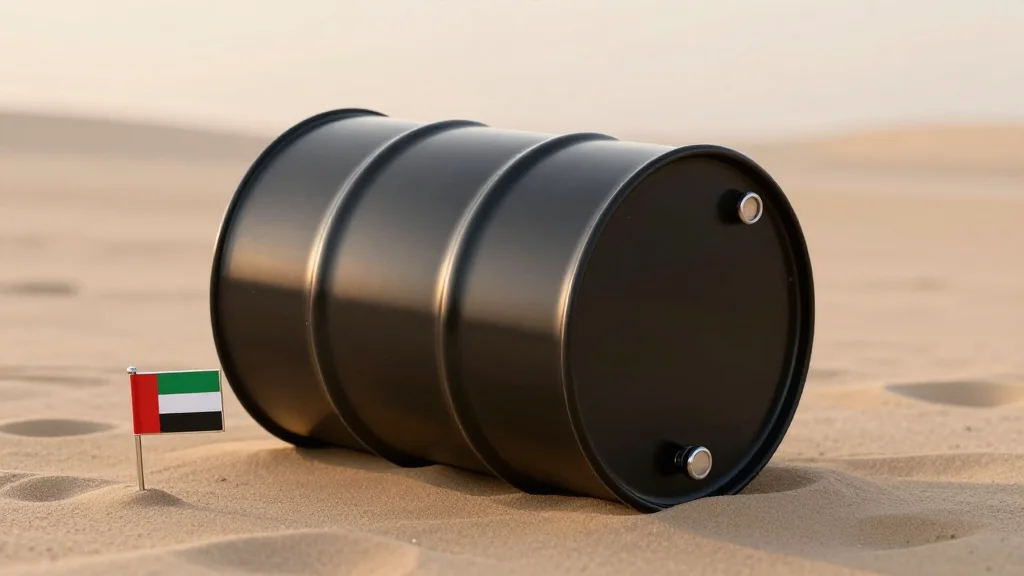
U.A.E. Quits OPEC: Here’s What It Means for Oil Prices and the Economy
Why It Matters
UAE’s departure reduces OPEC’s collective output control, likely pushing crude prices higher and prompting a reassessment of supply‑demand forecasts across the energy sector.
Key Takeaways
- •UAE exits OPEC and OPEC+ on May 1, 2026.
- •Exit targets increased sovereign energy production capacity.
- •Analysts forecast oil prices climbing through April amid inventory drawdowns.
- •Reduced OPEC coordination may tighten global supply balances.
- •UAE’s shift could alter Middle East geopolitical oil dynamics.
Pulse Analysis
The United Arab Emirates, the Gulf’s second‑largest oil exporter, has announced a May 1 exit from OPEC and the broader OPEC+ framework. While the cartel has traditionally coordinated production cuts to stabilize prices, Abu Dhabi argues that a sovereign‑driven expansion of its output will better serve its fiscal diversification goals and give it greater flexibility amid volatile regional politics. This decision arrives as the Iran‑Israel confrontation accelerates, prompting rapid inventory drawdowns that have already nudged Brent and WTI higher.
Market participants are recalibrating their pricing models in response to the UAE’s move. With one of the world’s most disciplined producers stepping out, the remaining OPEC members lose a key source of compliance, potentially leading to tighter global supply and upward pressure on crude through the spring. Analysts expect Brent to test the $85‑$90 per barrel range by month‑end, while U.S. shale operators may find a more favorable price environment to offset higher breakeven costs. Investors are watching the shift closely, as it could reshape futures curves and influence hedging strategies across energy‑intensive sectors.
Long‑term, the UAE’s departure could trigger a broader re‑evaluation of the OPEC+ alliance’s relevance. If other high‑output members perceive similar strategic benefits, the cartel’s ability to enforce quota discipline may erode, prompting a move toward more market‑driven pricing mechanisms. This scenario would benefit non‑OPEC producers, including U.S. shale and Canadian oil sands, while challenging the organization’s historical role as a stabilizer of global oil markets. The shift also underscores the growing interplay between geopolitics and energy policy, as Gulf states balance revenue needs against regional security dynamics and the accelerating transition to renewable energy sources.
U.A.E. quits OPEC: Here’s what it means for oil prices and the economy
Comments
Want to join the conversation?
Loading comments...