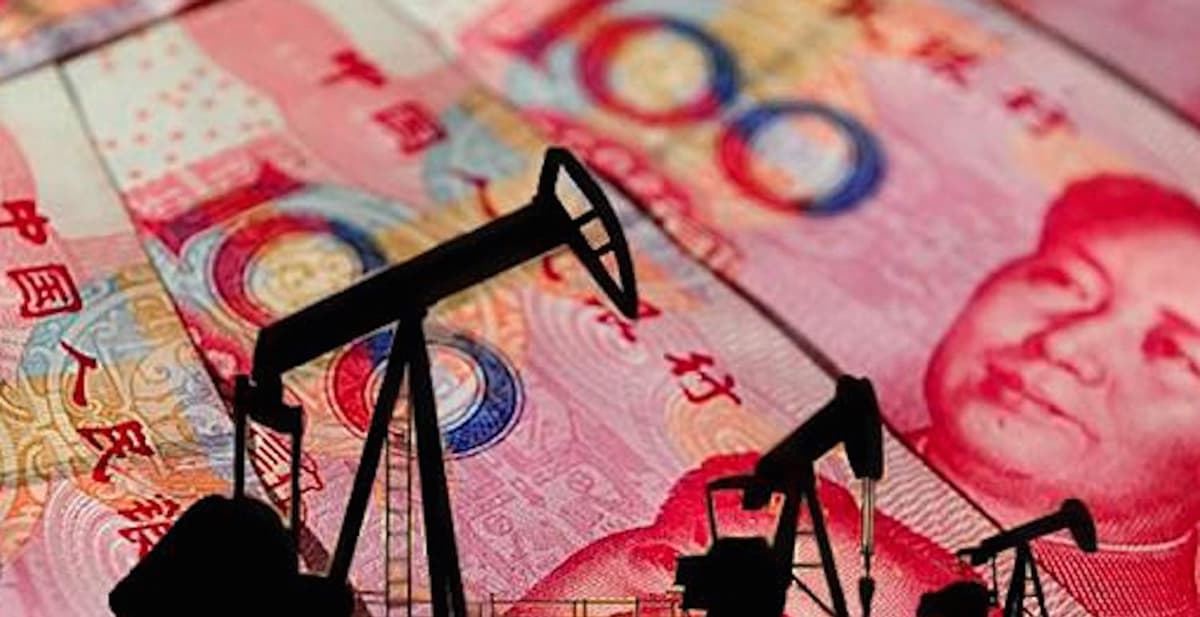
UAE’s OPEC Exit Hands Asia a Petroyuan Moment
Why It Matters
Asia gains a practical pathway to reduce dollar dependence for oil purchases, strengthening regional monetary autonomy and diversifying the petrodollar’s dominance.
Key Takeaways
- •UAE leaves OPEC, freeing Murban crude from dollar‑only pricing
- •Enables yuan, rupee, yen settlements for Gulf oil in Asia
- •Boosts China’s petroyuan ambitions via larger Gulf supply
- •Asian importers can cut dollar reserves, easing current‑account pressure
- •Saudi Arabia may face pressure to diversify its own oil pricing
Pulse Analysis
The United Arab Emirates’ exit from OPEC marks the first major breach of the institutional framework that has anchored the petrodollar since the 1974 Washington‑Riyadh pact. By shedding the cartel’s quota discipline, Abu Dhabi can now price its flagship Murban crude on its own terms, unshackling it from the dollar‑centric benchmarks that have long dictated global oil contracts. This strategic shift dovetails with the UAE’s eight‑year push to build independent pricing infrastructure, including the ICE Futures Abu Dhabi Murban contract and its role in the BIS‑run mBridge platform, which already links central banks across China, Hong Kong, Thailand and the Gulf.
For Asian oil importers, the UAE’s move unlocks a practical route to settle crude in local or regional currencies. Chinese refiners, who have been courting yuan‑denominated oil since the launch of Shanghai’s INE futures in 2018, can now negotiate larger, repeatable volumes with a Gulf supplier unencumbered by OPEC’s dollar pricing mandate. India, already paying for Russian crude in rupees and dirhams, stands to expand rupee‑settled purchases, while Japan and ASEAN economies could explore yen or rupiah contracts. The combined effect is a gradual erosion of the dollar reserve requirements that have inflated Asian central banks’ balance sheets for decades.
The broader geopolitical ripple extends to Saudi Arabia, the petrodollar’s chief beneficiary. With the UAE setting a precedent for multi‑currency oil trade, Riyadh may feel compelled to offer comparable flexibility to retain its market share, accelerating the diversification of oil pricing globally. For the region’s monetary policy, reduced dollar exposure promises lower inflationary pressure and greater exchange‑rate flexibility, while also bolstering the credibility of local‑currency bond markets. In sum, the UAE’s OPEC departure is less a crisis than a catalyst, ushering in a new era where Asian energy security and financial sovereignty can develop in tandem.
UAE’s OPEC exit hands Asia a petroyuan moment
Comments
Want to join the conversation?
Loading comments...