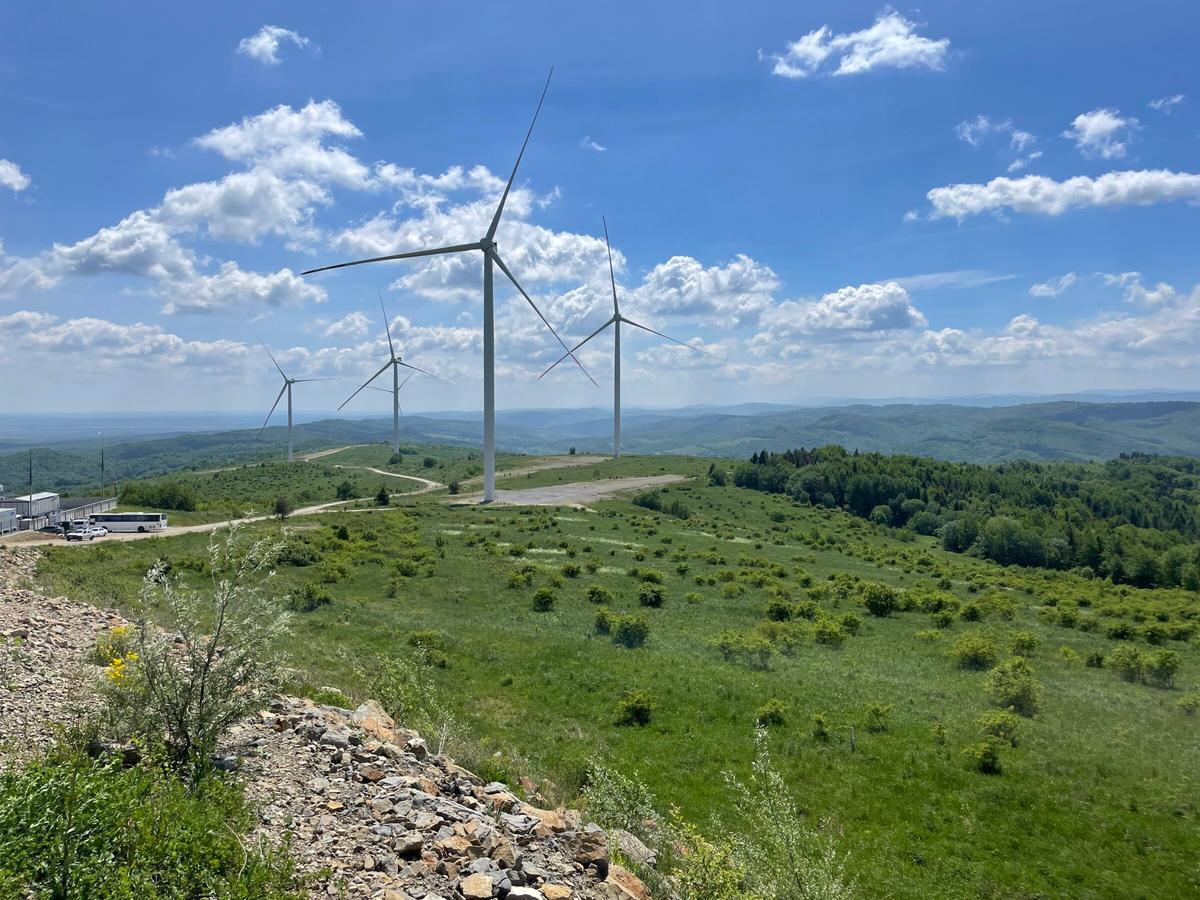
War Is Driving Ukraine’s Green Energy Build-Out, but Lack of Money Is Holding It Back
Why It Matters
The transition reduces Ukraine’s vulnerability to Russian attacks and bolsters long‑term energy security, while limited capital threatens the pace of decarbonisation and reconstruction.
Key Takeaways
- •War‑time wind farms built in 2‑year timeline, not six months
- •296 air‑raid alarms forced workers to shelter 40% of time
- •Batteries installed: 20 MWh first stage, 60 MWh planned expansion
- •Investor risk aversion leaves renewable projects under‑funded
Pulse Analysis
The Russian invasion has turned Ukraine’s energy strategy on its head, forcing policymakers and developers to prioritize assets that can survive or be quickly rebuilt under fire. Wind turbines, solar panels and modular battery storage are inherently less vulnerable than centralized gas or coal plants, and they can be sited across a dispersed grid. This resilience has become a strategic imperative, prompting a surge in renewable permits even as the country grapples with winter heating shortages and frequent power outages.
On the ground, projects like Eco Optima’s 20 MWh battery‑plus‑wind farm illustrate both ingenuity and hardship. With European crews refusing to enter the war zone, the company trained its own technicians, procured a crane, and insured cargo through ad‑hoc arrangements. DTEK Renewables, building the nation’s biggest wind farm, has adopted protective measures such as gabion cages, mobile shelters, and the relocation of transformers kilometers from turbines to mitigate single‑strike damage. Workers endure hundreds of air‑raid alerts, spending a significant portion of their shifts in bomb shelters, yet construction continues, underscoring a determined push toward energy independence.
Financing remains the Achilles’ heel. International investors balk at the heightened geopolitical risk, and traditional insurers deem cargo and site coverage “impossible,” leaving developers to shoulder costs that would normally be shared. Without a robust capital pipeline, the pace of renewable deployment could lag behind the urgent need for a resilient grid. European governments and multilateral banks are beginning to craft war‑risk guarantees, but scaling these mechanisms will be essential for Ukraine to fully transition to a low‑carbon, war‑proof energy system.
War is driving Ukraine’s green energy build-out, but lack of money is holding it back
Comments
Want to join the conversation?
Loading comments...