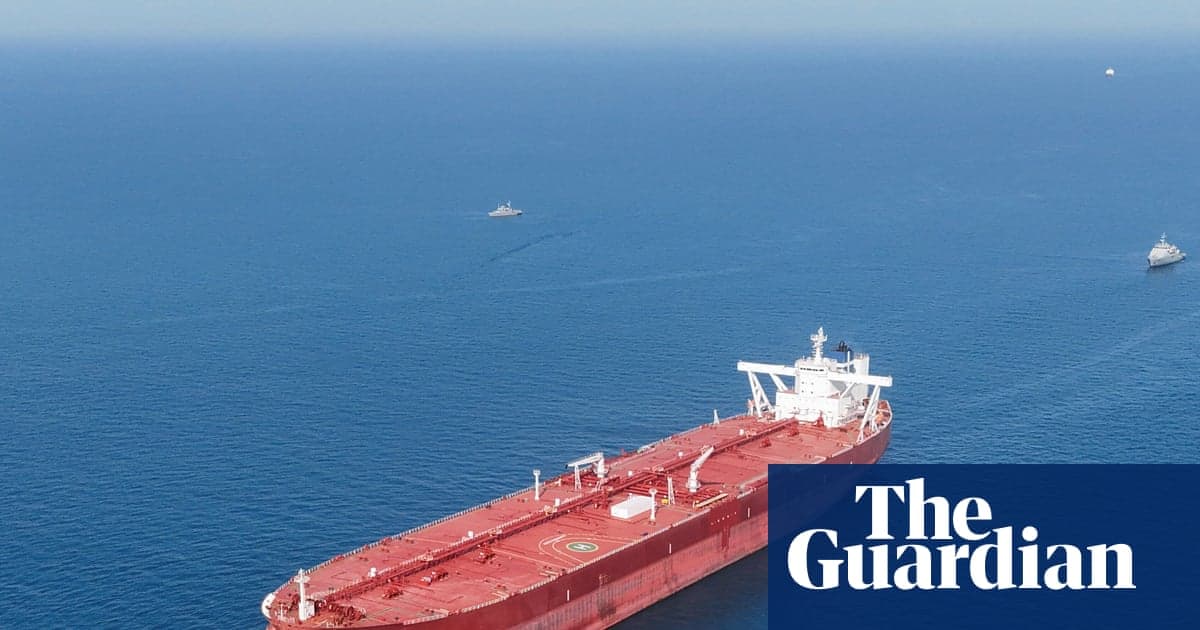
What Would a Permanent ‘Tehran’s Tollbooth’ on Oil Mean for the World?
Why It Matters
The toll could force shippers to reroute or pay higher premiums, nudging global energy prices upward and establishing a precedent for state‑imposed fees on a strategic maritime chokepoint.
Key Takeaways
- •Iran proposes $2 million toll per tanker transiting Hormuz.
- •$1 per barrel adds ~$7 bn annual cost to global oil market.
- •Toll could push Brent crude toward $100+ per barrel through 2027.
- •Legal challenges under UNCLOS and sanctions may deter Western shippers.
- •Gulf producers could absorb $14 bn yearly, marginally raising world oil price.
Pulse Analysis
The Strait of Hormuz, a 21‑mile waterway through which roughly 20 million barrels of oil and gas flow daily, has re‑emerged as a flashpoint in the Iran‑U.S. standoff. Tehran’s latest demand—up to $2 million per tanker, payable in yuan or cryptocurrency—represents an unprecedented attempt to monetize a strategic passage. While the United Nations Convention on the Law of the Sea guarantees unimpeded transit, Iran and the United States have not ratified the treaty, leaving the legal landscape murky and exposing commercial operators to sanctions risk. This backdrop fuels uncertainty for global shippers who must weigh the cost of compliance against the threat of vessel attacks and insurance spikes.
Economically, the proposed $1‑per‑barrel surcharge translates to about $7 billion in extra annual expenses for the oil market, a fraction of the sector’s $3 trillion valuation but enough to sustain higher Brent prices for an extended period. Analysts project that sustained constraints on Hormuz traffic could keep crude near $100 a barrel well into 2027, especially as insurers raise premiums and charter rates climb to offset heightened security concerns. The added cost also pressures Gulf producers, who may absorb up to $14 billion a year, marginally nudging global oil prices upward by just a few cents per barrel, yet the broader impact on inflation and trade balances could be significant.
Geopolitically, a permanent “Tehran tollbooth” would set a dangerous precedent, normalizing state‑controlled fees on international waterways and potentially encouraging other nations to emulate the model. For Iran, the revenue stream promises a lifeline for its battered economy and a means to fund the IRGC’s reconstruction, while also bolstering its leverage in future negotiations. However, the international community—particularly Western powers—faces a dilemma: enforce sanctions that limit participation and risk further supply disruptions, or negotiate a framework that preserves free navigation but cedes economic benefits to Tehran. The outcome will shape not only oil market dynamics but also the broader rules governing global maritime trade.
What would a permanent ‘Tehran’s tollbooth’ on oil mean for the world?
Comments
Want to join the conversation?
Loading comments...