Why China Is Urgently Looking to North Africa as the Energy Crisis Rolls On
Companies Mentioned
Why It Matters
By diversifying supply routes and building a green‑energy corridor in North Africa, China can mitigate the risk of future Gulf disruptions and support its decarbonisation goals, while reshaping trade flows for Europe and the Middle East.
Key Takeaways
- •China fast‑tracks $4.7 bn El Hamdania port to secure Mediterranean access.
- •$6.5 bn Gotion gigafactory in Morocco targets EV battery supply chain.
- •$500 m Egypt solar‑cell and battery plant builds renewable hub near Suez.
- •Algeria’s $437 m naphtha unit and Sinopec partnership buffer oil supply.
- •Hormuz closure pushes China to diversify energy routes via North Africa.
Pulse Analysis
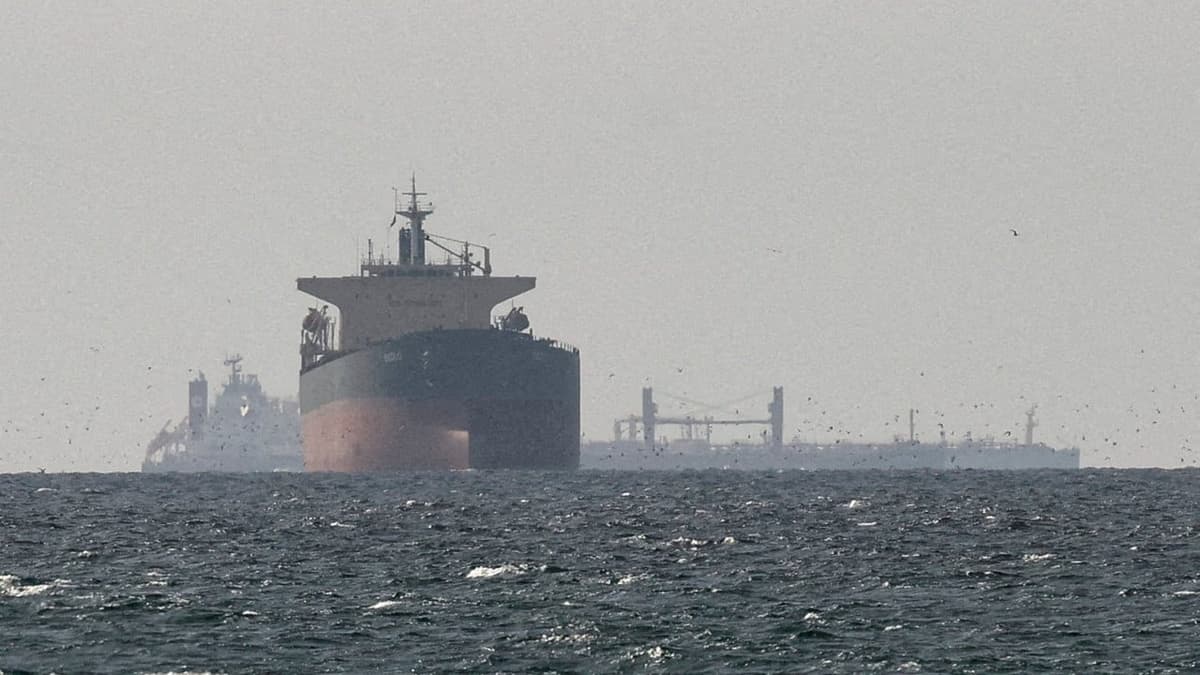
The closure of the Strait of Hormuz has exposed the fragility of China’s oil supply chain, which traditionally sources nearly half of its seaborne crude from the Persian Gulf. With the waterway effectively impassable since the February conflict, Beijing is scrambling to secure alternative routes that can sustain its massive energy imports. North Africa, with its proximity to Europe and access to the Mediterranean, offers a strategic bypass that mitigates geopolitical risk while aligning with China’s broader push for energy security.
In response, China has fast‑tracked a suite of multibillion‑dollar projects across Algeria, Morocco and Egypt. The $4.7 bn El Hamdania megaport in Algeria will serve as a logistical hub for oil and container traffic, while a $6.5 bn gigafactory in Morocco positions Beijing at the heart of the emerging EV‑battery supply chain, leveraging Morocco’s free‑trade agreements with the U.S. and EU. Egypt’s $500 m solar‑cell and battery‑storage complex, sited in the TEDA‑Suez zone, creates a renewable manufacturing corridor that can feed markets from Africa to Europe and the Middle East. Together, these investments blend traditional hydrocarbon buffering with forward‑looking clean‑technology infrastructure.
The strategic pivot has ripple effects beyond China’s borders. European manufacturers gain a new, lower‑cost source of green components, while North African economies receive a boost in high‑tech jobs and export capacity. For Chinese state‑owned enterprises, the diversification reduces exposure to single‑point failures and supports the country’s 2025‑2030 decarbonisation targets. As regional tensions persist, the North African corridor is likely to become a permanent fixture in global energy logistics, reshaping trade patterns and reinforcing China’s role as a pivotal player in both fossil‑fuel and renewable markets.
Why China is urgently looking to North Africa as the energy crisis rolls on
Comments
Want to join the conversation?
Loading comments...