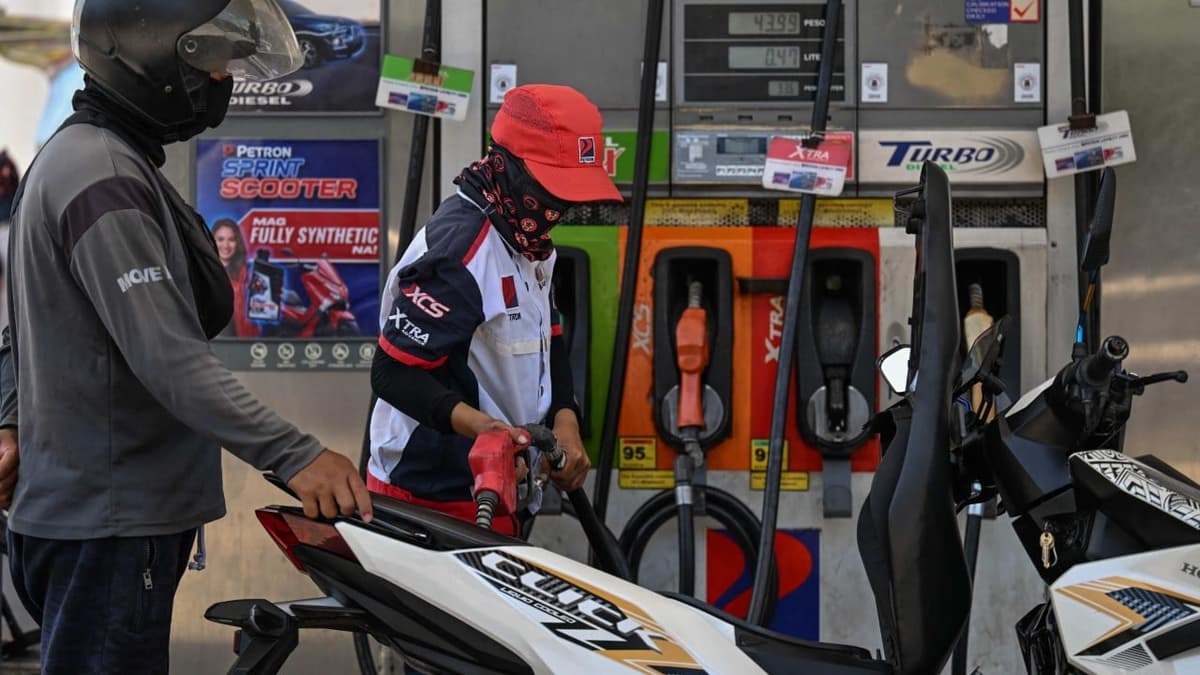
Will Asean’s Scramble for Russian Oil Fuel Shift in Regional Alliances?
Why It Matters
Reliance on Russian energy could give Moscow leverage over ASEAN, reshaping regional power dynamics and affecting U.S. and Chinese influence.
Key Takeaways
- •ASEAN imports 3 million barrels daily, seeks Russian oil.
- •U.S. sanctions waiver enables purchases until mid‑May 2024.
- •Vietnam, Indonesia, Malaysia sign energy agreements with Moscow.
- •Analysts warn Russia may gain political leverage from fuel dependence.
- •China could benefit from weakened Western security order in region.
Pulse Analysis
The closure of the Strait of Hormuz has forced Asia’s biggest oil‑importing region to scramble for alternatives. With more than half of its 5 million‑barrel daily demand traditionally sourced from the Gulf, ASEAN now looks to Russian crude and LPG to shore up dwindling reserves. U.S. temporary waivers, extended through mid‑May, have opened a narrow window for purchases, prompting high‑level visits to Moscow and a flurry of bilateral agreements. This short‑term fix underscores the fragility of supply chains that depend on a single maritime chokepoint.
Beyond the immediate logistics, the influx of Russian fuel carries geopolitical weight. By positioning itself as an emergency supplier, Moscow hopes to translate commercial ties into political capital, potentially nudging ASEAN members toward a more Moscow‑friendly stance. Analysts warn that energy dependence could become a lever for influence, especially as the United States balances sanctions with strategic concessions. At the same time, China watches the shifting balance, ready to present itself as a stable partner while the Western‑led security order appears strained. The dynamic creates a subtle contest for hearts, minds, and markets across the region.
Looking ahead, the sustainability of this pivot hinges on several factors. If the Hormuz disruption persists, ASEAN may deepen its diversification, incorporating not only Russian oil but also exploring renewable and nuclear collaborations that Russia promotes. However, the temporary nature of U.S. waivers means countries must weigh short‑term relief against long‑term exposure to geopolitical risk. For policymakers, the challenge will be to secure energy resilience without ceding strategic leverage, a balancing act that will shape Southeast Asia’s alignment in the evolving multipolar world.
Will Asean’s scramble for Russian oil fuel shift in regional alliances?
Comments
Want to join the conversation?
Loading comments...