Energy News and Headlines
  • All Technology
  • AI
  • Autonomy
  • B2B Growth
  • Big Data
  • BioTech
  • ClimateTech
  • Consumer Tech
  • Crypto
  • Cybersecurity
  • DevOps
  • Digital Marketing
  • Ecommerce
  • EdTech
  • Enterprise
  • FinTech
  • GovTech
  • Hardware
  • HealthTech
  • HRTech
  • LegalTech
  • Nanotech
  • PropTech
  • Quantum
  • Robotics
  • SaaS
  • SpaceTech
AllNewsDealsSocialBlogsVideosPodcastsDigests

Energy Pulse

EMAIL DIGESTS

Daily

Every morning

Weekly

Sunday recap

NewsDealsSocialBlogsVideosPodcasts
EnergyNewsWorld Briefs | Nigeria’s Tinubu and Germany’s Merz Talk Security, Power Deal in Phone Call
World Briefs | Nigeria’s Tinubu and Germany’s Merz Talk Security, Power Deal in Phone Call
Global EconomyDefenseEnergyEmerging Markets

World Briefs | Nigeria’s Tinubu and Germany’s Merz Talk Security, Power Deal in Phone Call

•February 19, 2026
0
BusinessLIVE (South Africa) – RSS hub
BusinessLIVE (South Africa) – RSS hub•Feb 19, 2026

Why It Matters

These moves reshape infrastructure financing, fiscal discipline, trade dynamics, security stability, labour markets, and health interventions, influencing investment flows and policy priorities across emerging and developed economies.

Key Takeaways

  • •Nigeria seeks Siemens-backed power transmission upgrade
  • •France must prioritize spending cuts over new taxes
  • •UK warns EU rules could create trade barriers
  • •Burkina Faso faces escalating jihadist attacks
  • •Zimbabwe rolls out long‑acting HIV prevention drug

Pulse Analysis

Nigeria’s appeal to Germany for a revived power‑transmission project underscores the continent’s urgent need for reliable electricity and the role of European engineering firms in bridging financing gaps. By partnering with Siemens and considering German helicopter acquisitions, Lagos aims to modernise its grid, attract foreign direct investment, and reduce chronic outages that hamper industrial growth. The collaboration also signals a broader trend of African states leveraging strategic bilateral ties to accelerate infrastructure development while diversifying energy sources.

In Europe, France’s fiscal dilemma reflects the broader challenge of balancing public‑service funding with debt sustainability. The Cour des Comptes’ call for decisive spending cuts over additional taxes highlights political pressures ahead of the 2026 deficit target, while the UK’s warning about the EU’s “Made in Europe” mandate reveals friction over market access and supply‑chain integration. Both narratives illustrate how fiscal prudence and trade policy are becoming intertwined, potentially reshaping cross‑border investment strategies and prompting firms to reassess risk exposure in the region.

Across the Global South, security, labour, and health crises are prompting swift policy responses. Burkina Faso’s surge in jihadist attacks threatens regional stability and could deter foreign aid, whereas Argentina’s contentious labour reform, championed by President Milei, risks industrial unrest amid a nationwide strike. Meanwhile, Zimbabwe’s rollout of lenacapavir, a long‑acting HIV prevention drug, positions the country at the forefront of innovative public‑health interventions, potentially lowering infection rates and attracting global health funding. Together, these developments illustrate how emerging markets are navigating complex challenges through targeted reforms and strategic partnerships.

World briefs | Nigeria’s Tinubu and Germany’s Merz talk security, power deal in phone call

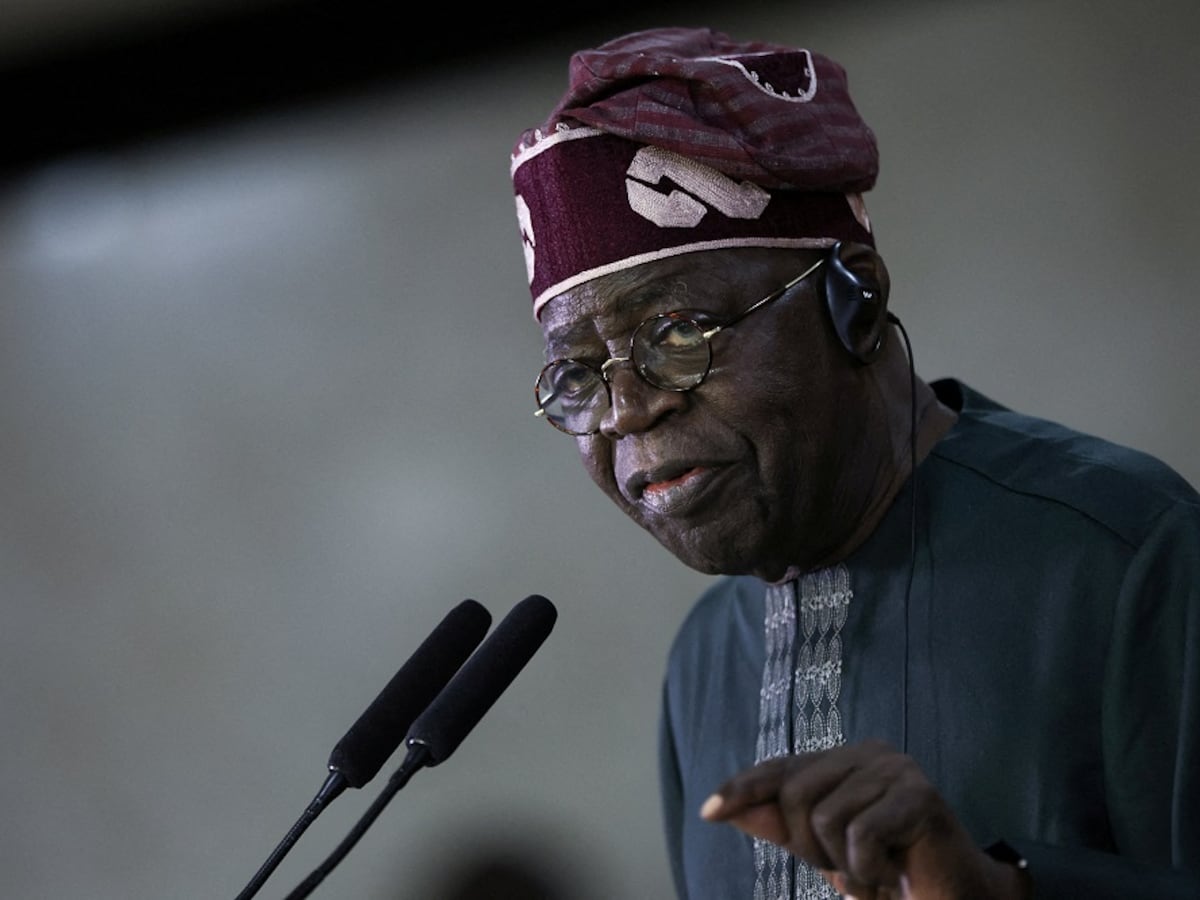
Abuja — Nigerian President Bola Tinubu and German Chancellor Friedrich Merz discussed deepening co‑operation on security, power and infrastructure in a phone call, Tinubu’s office said on Thursday.

In a nine‑minute call on Wednesday, the two leaders discussed reviving a stalled presidential electricity project in Nigeria involving German conglomerate Siemens and Nigeria buying used German helicopters.

Tinubu told Merz Nigeria needed help to upgrade its power‑transmission network, the president’s office said. (Reuters)


France urged to cut spending, avoid new tax hikes

Paris — France can no longer rely on tax hikes to rein in its public finances and must shift decisively towards spending cuts as it faces a second consecutive year of strained public accounts, the national audit office warned on Thursday.

The government’s 5 % of GDP deficit target for 2026 — already eased from an initial 4.7 % — remained “highly uncertain” after MPs scrapped several major savings in the social‑security budget, the Cour des Comptes said in a report on the state of the public finances at the start of the year.

The Cour said the government’s 2026 budget leant too heavily on about €12 bn in extra taxes, notably the near‑full extension of a corporate surtax on large companies. (Reuters)


UK warns EU plan may harm trade with member states

Madrid — A British minister warned on Thursday that the EU’s “made in Europe” plan could impact supply chains and create unnecessary trade barriers between London and some EU member countries.

The comments from Nick Thomas‑Symonds, Britain’s minister for EU relations, come as the European Commission prepares to publish a law next week requiring a minimum share of products backed by public money in strategic sectors to be manufactured within Europe.

“My concern is that if you had very strict preference requirements, you would risk impacting our deeply integrated supply chains that would create unnecessary barriers to trade in key UK‑EU industries and increase costs,” he said at an economic event in Madrid. “That would obviously affect UK‑Spain supply chains.” (Reuters)


Militants escalate attacks in Burkina Faso

Dakar — Islamist militants have killed dozens of soldiers and civilians and overrun an army detachment over the past week in coordinated attacks across multiple regions of Burkina Faso, according to internal reports by two diplomatic missions reviewed by Reuters.

The operations by al‑Qaeda‑linked Jama’at Nusrat al‑Islam wal‑Muslimin show the JNIM is increasingly able to mobilise across large swathes of territory at one time, the reports said, listing locations such as Bilanga, Titao, Tandjari and Nare.

Burkina Faso’s military rulers seized power in a coup in 2022, promising to improve security.


Argentina’s Milei faces labour reform vote amid national strike

Buenos Aires — Argentina’s lower house of Congress is set to vote on Thursday on a contentious labour reform backed by libertarian President Javier Milei, as unions stage a nationwide strike that has brought parts of the country to a halt.

Argentina’s largest umbrella union, the CGT, says the overhaul threatens long‑standing worker protections, including the right to strike. In response, it has launched a 24‑hour stoppage involving transport workers, public‑sector staff and bank employees.

The strikers joined the maritime workers’ federation, which began a 48‑hour walkout on Wednesday, targeting cargo‑vessel operations mainly in the port of Rosario, one of the world’s largest agricultural export hubs. (Reuters)


Zimbabwe rolls out long‑acting HIV prevention drug lenacapavir

Harare — Zimbabwe’s health authorities on Thursday began administering the long‑acting HIV prevention drug lenacapavir, making the country one of the first globally to roll it out as the southern African nation seeks to curb new infections.

Health minister Douglas Mombeshora said the programme, funded by the United States and the Global Fund, would initially target more than 46 000 people at high risk of contracting HIV across 24 sites nationwide. (Reuters)

Read Original Article
0

Comments

Want to join the conversation?

Loading comments...