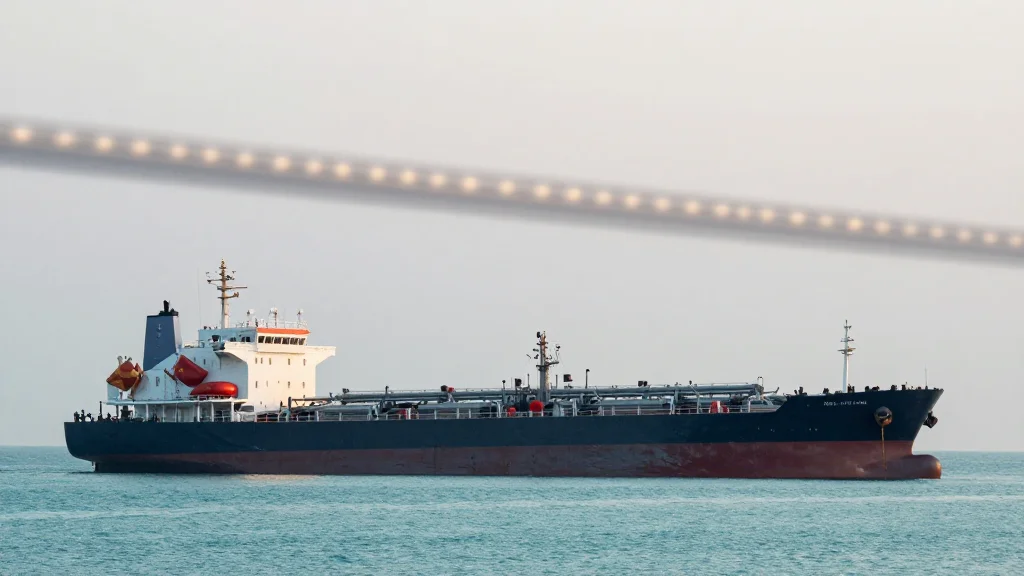
Xi to Meet Vietnam Leader as Hormuz Blockade Risks Energy Flows
Why It Matters
Securing Chinese investment and fuel supplies helps Vietnam mitigate energy disruptions from the Iran conflict, while deepening economic and security cooperation reshapes regional power dynamics.
Key Takeaways
- •Vietnam seeks Chinese investment in rail and energy amid Iran conflict
- •Xi‑Lam talks include potential VietJet‑Comac aircraft deal
- •Vietnam's trade with China hit $256 billion, up 24.7% YoY
- •China supplied 100,000 barrels of fuel to Vietnam this year
- •Security ties deepen with surveillance tech cooperation
Pulse Analysis
The ongoing war in Iran and the resulting blockade of the Strait of Hormuz have sent shockwaves through global energy markets, prompting countries dependent on imported oil to scramble for alternatives. Vietnam, which imports the bulk of its fuel, faces mounting pressure as gasoline queues lengthen and flight cancellations rise. By securing a modest but symbolic shipment of 100,000 barrels of distillate fuel from China, Hanoi aims to buy time while it diversifies its energy mix and freezes taxes to cushion consumers from price spikes.
Beyond immediate fuel needs, the Xi‑Lam meeting signals a broader strategic pivot toward Chinese capital for large‑scale infrastructure. Vietnam’s trade with China already tops $256 billion, a 24.7% year‑over‑year increase, and both sides are eyeing new projects: a potential VietJet‑Comac aircraft acquisition, metro expansions in Ho Chi Minh City, and further rail links that could extend the $7.8 billion Haiphong corridor. These investments are critical for Vietnam’s ambition to become a manufacturing hub, yet they also deepen reliance on Beijing, complicating its delicate balancing act with the United States, its other major market.
Security cooperation is advancing in parallel, with Chinese firms like Huawei and Viettel deepening telecom collaborations and plans for mass‑surveillance AI technology transfers. While the South China Sea dispute remains unresolved, the growing intelligence partnership suggests a willingness to prioritize stability over territorial friction. Analysts view this convergence of energy, economic, and security ties as a pragmatic response to short‑term crises that could reshape Southeast Asia’s geopolitical architecture for years to come.
Xi to Meet Vietnam Leader as Hormuz Blockade Risks Energy Flows
Comments
Want to join the conversation?
Loading comments...