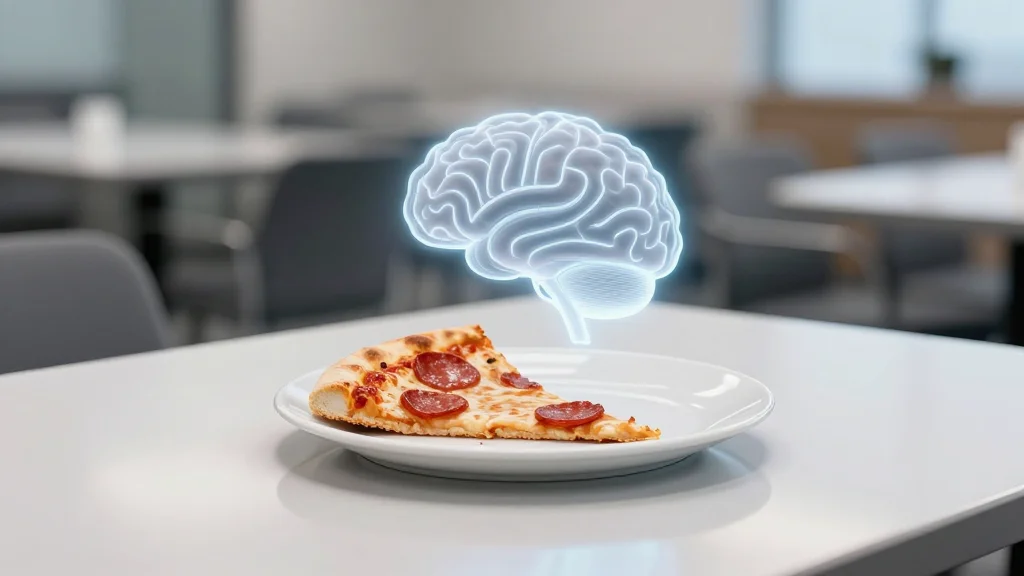
AI Adoption Linked to Mass Layoffs and Longer Work Hours, New Data Shows

Companies Mentioned

Why It Matters
The findings challenge the narrative that AI will automatically reduce labor costs through headcount cuts. Instead, they suggest that AI can intensify work demands, reshaping how enterprises design performance metrics and employee compensation. For managers, understanding this dynamic is critical to avoid burnout, comply with labor regulations, and sustain talent retention in an increasingly automated environment. For investors and policymakers, the data signals that AI adoption may not deliver immediate cost savings, but could generate hidden liabilities in the form of overtime expenses, health risks, and potential regulatory scrutiny. Monitoring indirect indicators—such as corporate food‑order patterns—offers a novel lens on the real‑world effects of AI on enterprise labor practices.
Key Takeaways
- •Atlassian, Block and Snap cited AI as a factor in recent mass layoffs
- •Sharebite saw Saturday corporate orders more than double YoY in Q1 2026
- •After‑6 p.m. orders rose 57% and overall enterprise user growth hit 36%
- •Harvard Business Review and UC Berkeley studies link AI use to longer work hours
- •Zenobia Homan warned that pizza‑order spikes may reflect confirmation bias, not crises
Pulse Analysis
The surge in after‑hours food orders among enterprise clients is a proxy for a deeper shift in how AI is being deployed on the corporate floor. Early AI hype promised that intelligent automation would free up human capacity, but the data now suggests a different trajectory: AI tools are expanding the scope of tasks assigned to individuals, effectively stretching the workday. This aligns with the concept of "human‑AI complementarity," where machines handle repetitive elements while humans oversee, validate, and integrate outputs—often under tighter deadlines.
From a competitive standpoint, firms that embed AI into performance reviews risk creating a feedback loop that incentivizes overwork. Companies that fail to calibrate expectations may see short‑term productivity gains but face long‑term talent attrition. Conversely, organizations that adopt transparent AI governance—defining clear boundaries for AI‑augmented tasks and protecting off‑hours—could differentiate themselves as responsible employers, attracting talent wary of AI‑driven burnout.
Regulators are likely to scrutinize these dynamics as part of broader labor‑rights discussions. The Pentagon Pizza theory, while anecdotal, underscores the growing appetite for unconventional data sources to infer workplace stress. As AI continues to permeate enterprise operations, stakeholders will need robust metrics beyond headline cost savings to assess true impact on employee well‑being and operational risk.
AI Adoption Linked to Mass Layoffs and Longer Work Hours, New Data Shows
Comments
Want to join the conversation?
Loading comments...