AI Agents Expand Enterprise Security Attack Surface
The conversation with Nomi Security CEO Emanuel Salmon centers on how AI agents are reshaping the enterprise attack surface. While traditional IT, cloud, and IoT have already expanded threat vectors, AI introduces a multi‑layered frontier that spans infrastructure, identity, and application layers, demanding fresh security thinking. Salmon emphasizes that AI agents act as identities performing privileged tasks, making identity governance, guardrails, and prompt‑engineering defenses essential. Yet attackers will still gravitate toward the weakest link—often legacy systems or poorly protected identities—rather than the novel AI layer, meaning the bulk of threats remain familiar phishing and ransomware tactics. A striking point is the nondeterministic nature of AI agents: a malicious prompt may not reliably execute, and attackers can be as frustrated as end users. Observability is another pain point; current logs rarely capture agent actions, prompting a surge in new tooling focused on AI‑specific visibility and governance. For enterprises, the takeaway is clear: AI adoption must be paired with dedicated security controls, risk‑based governance, and rapid development of observability solutions. Without these, organizations risk both incremental breaches and a potential high‑impact incident that could halt AI initiatives and erode stakeholder confidence.
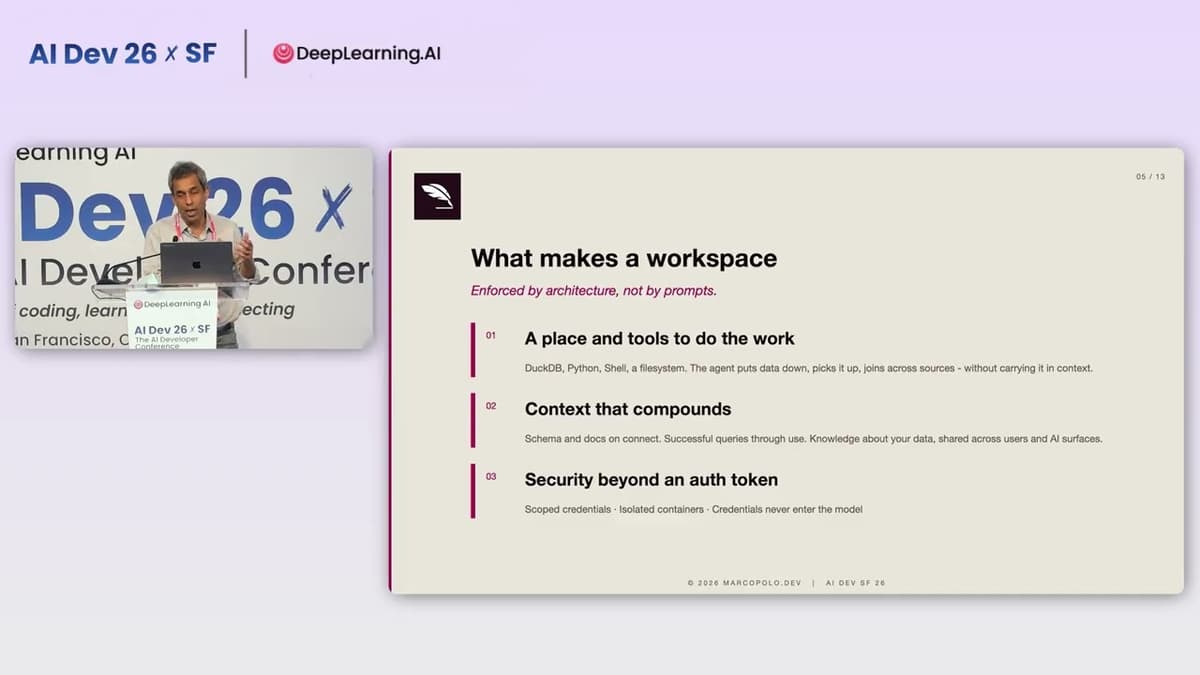
AI Dev 26 X SF | Aman Singla & Aseem Chandra: MarcoPolo, A Workspace for AI to Work with Your...
The video introduces Marco Polo, a middleware platform that provides a dedicated workspace where agentic AI models—such as Claude, ChatGPT, or custom agents—can safely access and manipulate enterprise data across dozens of systems. By running in a secure Kubernetes container,...
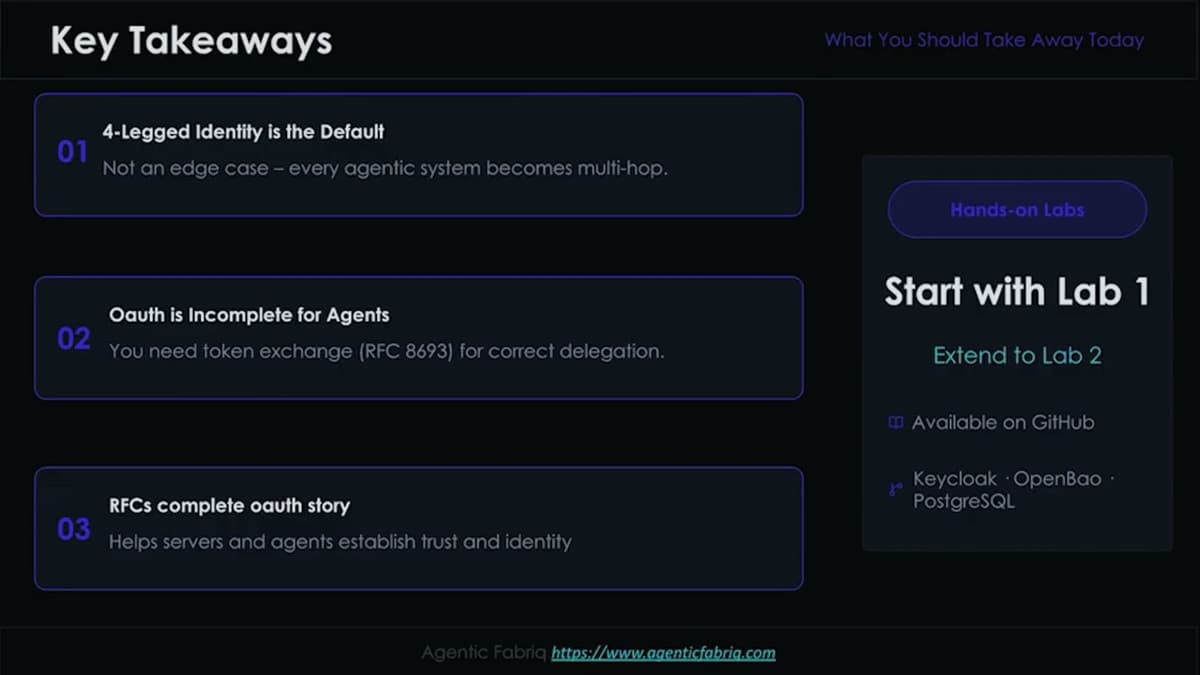
AI Dev 26 X SF | Matthew Xu: The 4-Legged Identity Challenge
In a recent AI Dev 26 session, Matthew Xu, CTO of Agent Fabric, warned that the “four‑legged identity challenge” – where a user, an agent, an MCP server and a downstream API each act in a chain – is becoming...
Canada's Beloved Discount Retailer Embraces Change
Giant Tiger, Canada’s long‑standing discount retailer, announced a full‑scale migration of its finance, HR and procurement functions to Workday. The move replaces a decades‑old inventory system that handled stock well but fell short on financial reporting, payroll and workforce management...
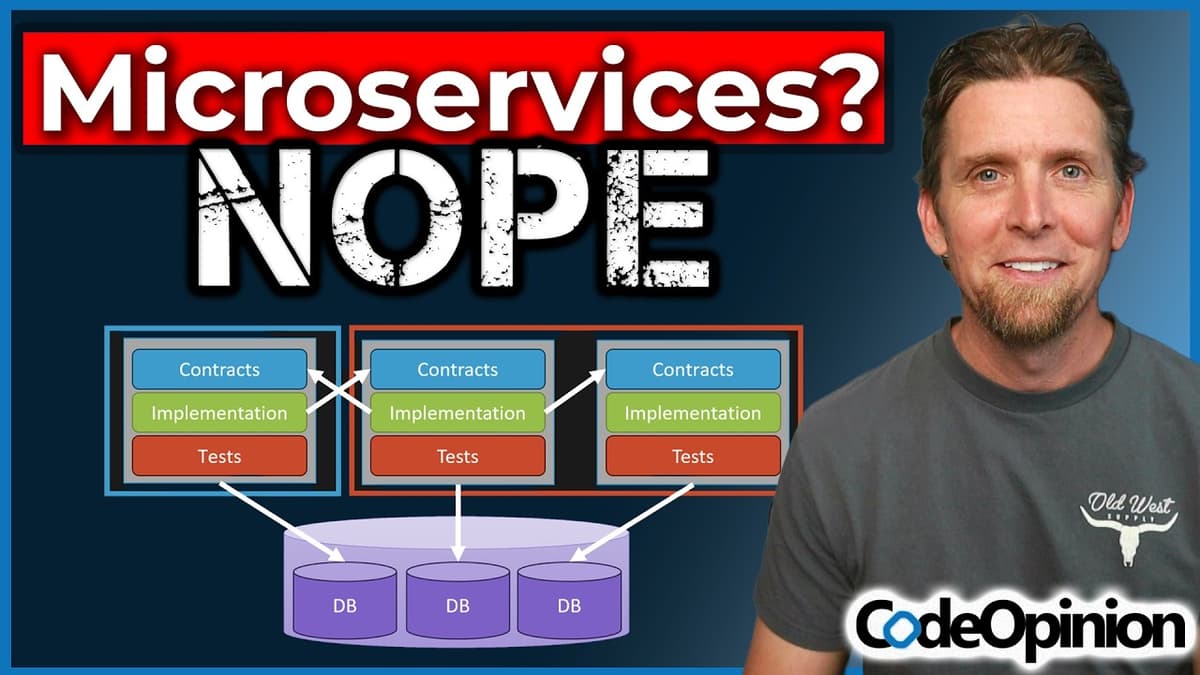
The Modular Monolith: Scale Without Microservices
In the video, Derek from codeopinion.com argues that many teams prematurely adopt microservices, messaging, multiple databases, and Kubernetes to “build for scale” they don’t yet need, adding unnecessary complexity and operational costs. He recommends defining clear logical boundaries within a...
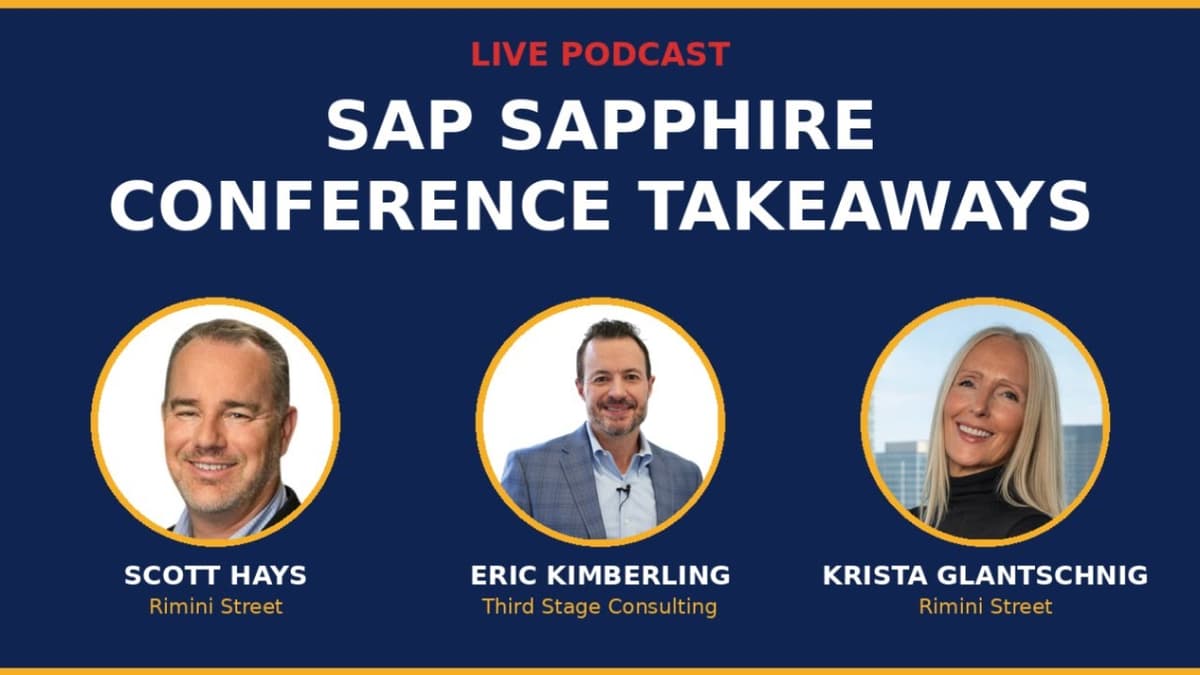
🎙️ LIVE PODCAST TODAY — SAP Sapphire Conference Takeaways
At SAP Sapphire, SAP pushed broader AI access—extending capabilities to ECC and S/4HANA on-premises—but tied that access to a requirement that customers move roughly 50% of their maintenance spend to the cloud, prompting investor unease and a dip in SAP’s...
Cyber Security Readiness: Prevention Vs. Response | David McLeod, CISO of VF Corporation
The CIO Talk Radio episode features David McLeod, CISO of VF Corporation, discussing cyber‑security readiness and the perennial debate between prevention‑focused and response‑driven strategies. McLeod frames the conversation around VF’s diverse retail portfolio—brands like Vans, The North Face, and Wrangler—and...
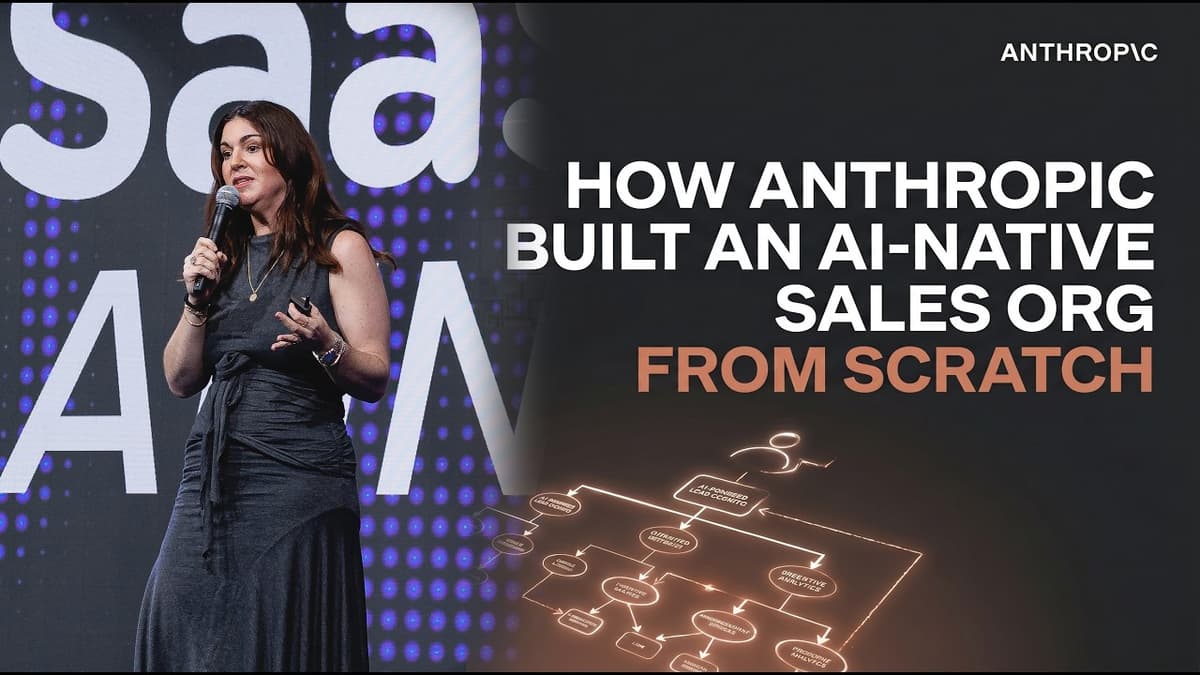
How Anthropic's Head of Industries Built an AI-Native Sales Org From Scratch
Anthropic’s head of industries, Elenore Dorfman, detailed how the company transformed its sales organization after the December 2025 Opus 4.6 launch. The breakthrough in Claude 3’s coding capabilities created a surge in demand that outpaced the existing sales headcount, forcing Anthropic to...
Platform Strategy for Mergers, Acquisitions & Divestment | Weave Intelligence
Aviv Group’s platform director Jelco described the unique platform-engineering challenges in corporate groups built from multiple similar-sized acquisitions rather than a single dominant acquirer. Such groups offer high synergy potential from a shared platform across real-estate classifieds brands, but deliverables...
Healthcare Is Buying Its Way Into IAM, And It's Not Working
The video highlights a growing crisis in healthcare: organizations are scrambling to address identity and access management (IAM) as credential‑based attacks become the dominant threat vector. Rather than a back‑door breach, attackers now walk through the front door using stolen...
Rebuilding IT From the Ground Up for the AI Age: Serval's Jake Stauch
In this interview, Jake Stauch, founder and CEO of Serval, explains how his company is rebuilding enterprise IT for the AI age with an AI‑native service management platform that delivers instant employee support. The solution replaces traditional ticket‑based help...

Craig Boardman: How Is Private Credit Rewriting the Rules of Loan Servicing Infrastructure?
Craig Boardman, a director at Finastra, explains how private‑credit firms have reshaped loan‑servicing infrastructure since the 2008 crisis. He outlines his role helping clients eliminate operational headaches, mitigate risk, and deliver precise investor reporting, while positioning Finastra’s Loan IQ as...
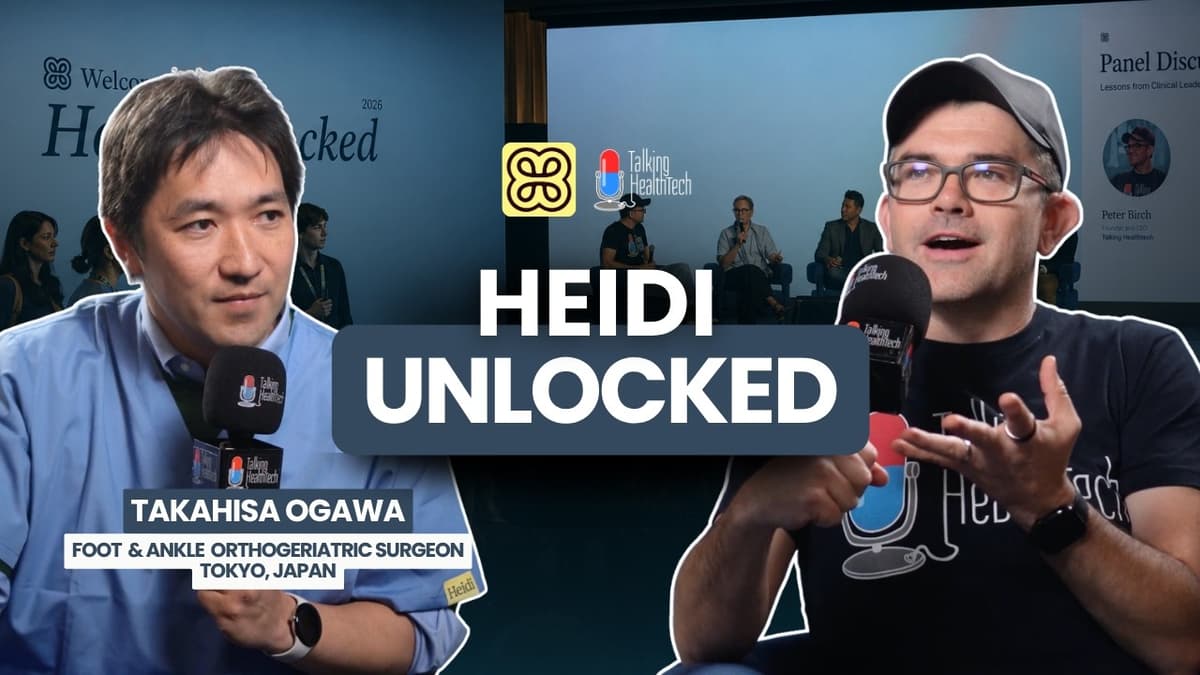
Heidi Unlocked: Takahisa Ogawa - Foot and Ankle Orthogeriatric Surgeon From Tokyo, Japan
Takahisa (Taka) Ogawa, a Tokyo-trained foot and ankle orthogeriatric surgeon now working in Nagano, described how an AI scribe called Heidi transformed his clinical documentation after a fellowship in Sydney. Back in Japan he continues using Heidi despite on-premise, offline...
Podcast Ep273: What Is Technical Debt?, Navigating Cloud Migration, Cloud Is Not Less Locked In
Episode 273 of Transformation Ground Control opens with a deep dive into the high-stakes lawsuit involving Elon Musk, OpenAI and Microsoft, highlighting Satya Nadella’s testimony about Sam Altman’s brief ouster and the prospect of remedies that could include Altman’s removal...
How Top CIOs Are Measuring the Real ROI of IT Automation
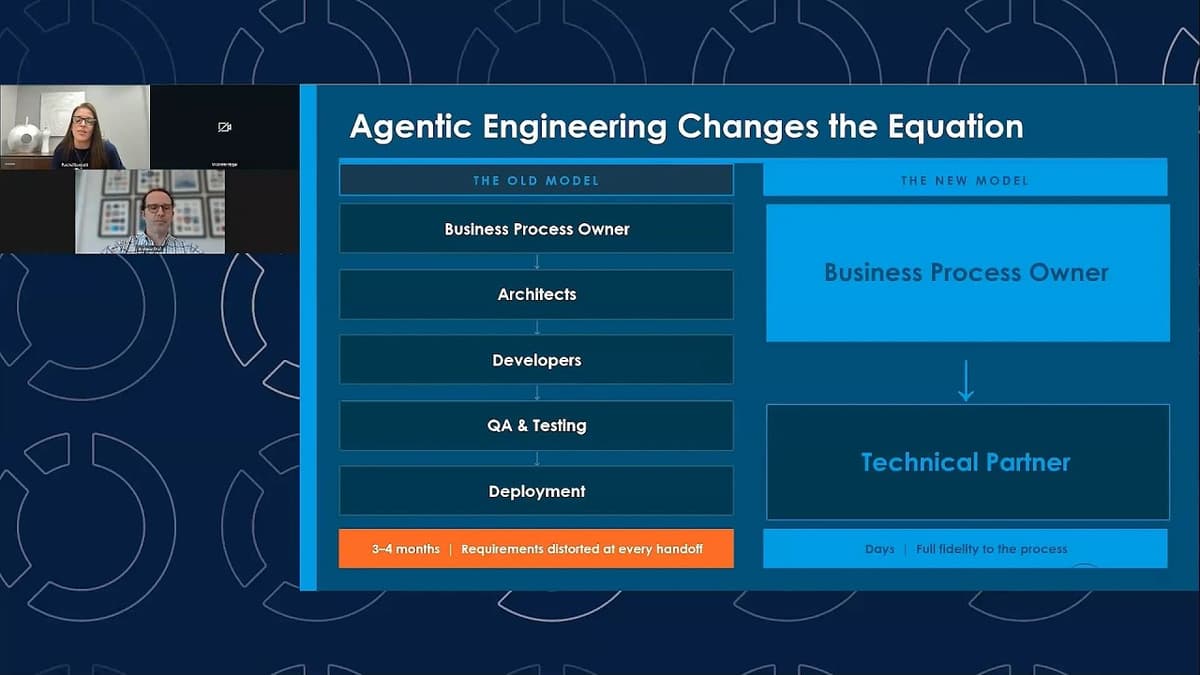
CIOs say decades-old automation models—prioritizing big ROI projects through scarce engineering capacity—left thousands of small but painful process frictions unaddressed because of a trade-off triangle between speed, cost and completeness. Advances in agentic engineering and AI-enabled low-code tooling are upending...