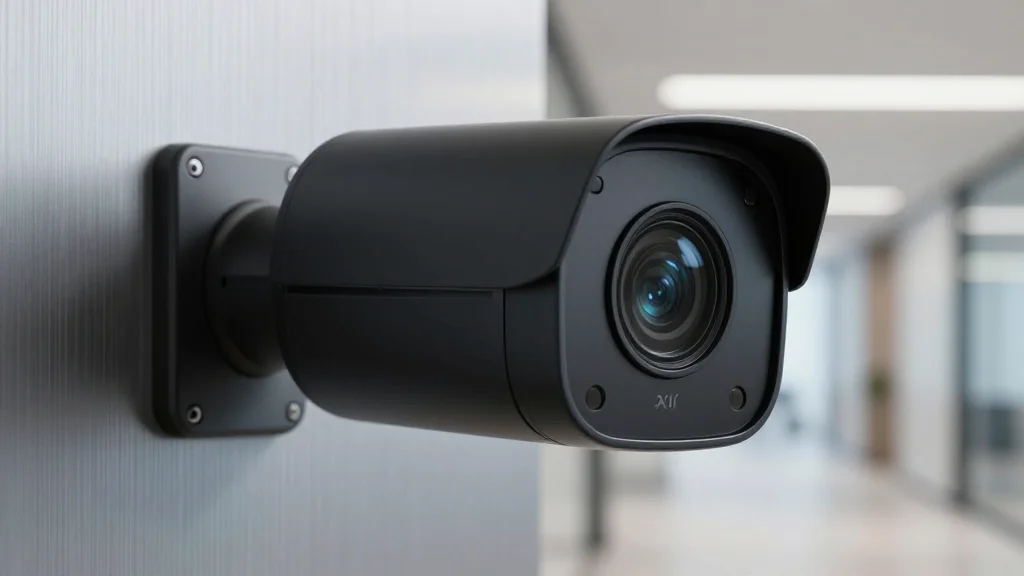
AI‑Enabled Cameras Transform Enterprise Security and Compliance

Why It Matters
AI‑enabled cameras give enterprises a unified view of physical security and operational efficiency, turning a traditionally siloed cost center into a strategic asset. By delivering instant alerts and actionable insights, they help firms reduce workplace injuries, avoid regulatory penalties and optimize resource allocation, directly impacting bottom‑line performance. The technology also raises new governance questions around data privacy, cyber‑risk and cross‑departmental ownership. Enterprises that establish clear policies for video analytics, integrate them with existing security information and event management (SIEM) platforms, and train staff on ethical use will be better positioned to reap the benefits while mitigating legal exposure.
Key Takeaways
- •AI cameras can flag blocked emergency exits and unauthorized vehicles in real time.
- •License‑plate recognition and object detection reduce security breaches before they happen.
- •Retailers use video analytics to cut checkout wait times, improving customer satisfaction.
- •Hospitals integrate AI video with patient monitoring for continuous safety oversight.
- •Multi‑site enterprises face integration challenges due to legacy, fragmented surveillance systems.
Pulse Analysis
The migration from reactive video to proactive analytics mirrors the broader AI adoption curve seen in enterprise IT. Early adopters—primarily large retailers, logistics firms and healthcare providers—have demonstrated clear ROI through reduced incident costs and operational efficiencies. This success is prompting a cascade effect: mid‑market players, who previously viewed surveillance as a line‑item expense, are now budgeting for AI analytics as a core component of risk management.
Historically, security budgets were capped by hardware costs, with software and analytics treated as afterthoughts. The current wave flips that model, positioning software and data as the primary value drivers. Companies that can overlay AI analytics on existing camera infrastructure avoid costly hardware refreshes, accelerating adoption. Yet, the upside comes with heightened exposure to cyber threats; video streams are high‑value data, and any breach could reveal sensitive operational details. Enterprises must therefore pair AI video with robust encryption, access controls and continuous monitoring.
Looking forward, the convergence of AI video with edge computing will reduce latency, enabling instant local decision‑making without reliance on cloud bandwidth. This will be especially critical for sectors like manufacturing and critical infrastructure, where milliseconds can mean the difference between a near‑miss and a catastrophic event. As standards for video data privacy mature, vendors that embed compliance into their platforms will gain a competitive edge, and enterprises that adopt early will likely see lower insurance premiums and stronger regulatory standing.
AI‑Enabled Cameras Transform Enterprise Security and Compliance
Comments
Want to join the conversation?
Loading comments...