Edgerton Planning Commission Pauses DAMAC Digital Data Center Amid Local Opposition

Why It Matters
The pause highlights a growing tension between enterprise demand for high‑performance data infrastructure and the social license required to build such facilities in semi‑rural communities. As cloud providers expand capacity to meet AI‑driven workloads, local opposition can become a bottleneck, forcing companies to invest in quieter, greener power solutions or to seek alternative locations, potentially reshaping the geography of U.S. data‑center density. For enterprises, the availability of nearby edge and core compute resources directly influences latency‑sensitive applications, from real‑time analytics to hybrid cloud workloads. A delayed or canceled Kansas hub could shift traffic to more distant sites, raising operational costs and complicating disaster‑recovery planning for firms that rely on regional redundancy.
Key Takeaways
- •DAMAC Digital’s proposed data center would cover 382,924 sq ft in Edgerton, KS
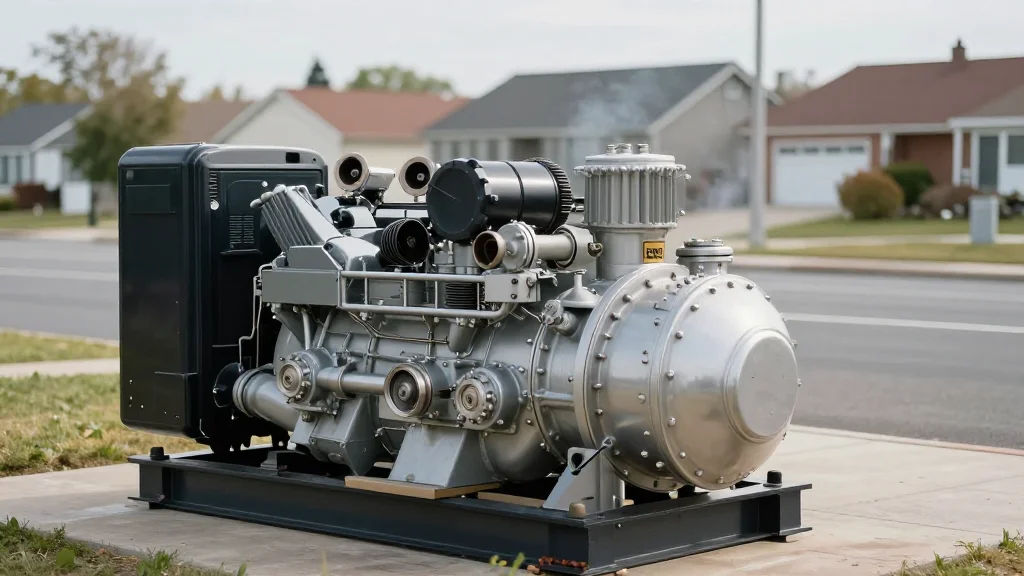
- •The Planning Commission paused the site‑plan over diesel‑generator and noise concerns
- •The project would serve large‑scale enterprise customers and recycle 15,000‑20,000 gal of water daily
- •Zoning already permits the development, unlike recent withdrawn proposals in Spring Hill and Gardner
- •A denial could expose the city to a lawsuit for rejecting a code‑compliant project
Pulse Analysis
The Edgerton episode is a micro‑cosm of the broader friction between the rapid expansion of enterprise cloud infrastructure and the entrenched expectations of small‑town residents. Historically, data‑center siting has been driven by cheap electricity and tax incentives, but today communities are more attuned to environmental and quality‑of‑life impacts. DAMAC’s willingness to fund its own sub‑station and adopt closed‑loop cooling signals an industry shift toward self‑sufficiency, yet the diesel‑generator debate reveals that even self‑contained power solutions can trigger pushback when emissions and noise are perceived threats.
From a market perspective, the delay could nudge enterprise customers to diversify their provider mix, seeking providers with already‑operational Midwest footprints. Competitors such as Equinix and Digital Realty, which have secured zoning approvals in similar jurisdictions, may capture the demand that DAMAC hoped to serve. In the longer term, developers may need to front‑load community‑engagement budgets, conduct third‑party acoustic studies, and explore renewable‑energy‑only designs to pre‑empt opposition. The Edgerton case may therefore accelerate a trend toward greener, quieter data‑center architectures, reshaping capital allocation across the enterprise IT supply chain.
If Edgerton ultimately approves the project, it could set a precedent that code‑compliant, self‑funded data centers can move forward with minimal rezoning, encouraging other developers to target similarly zoned industrial parcels. Conversely, a denial could embolden other municipalities to leverage technical concerns as a de‑facto barrier, prompting a strategic reassessment of where and how enterprise providers expand capacity in the United States.
Edgerton Planning Commission Pauses DAMAC Digital Data Center Amid Local Opposition
Comments
Want to join the conversation?
Loading comments...