Grimshaw Moves to Inevidesk VDI Platform
•February 23, 2026
0
Why It Matters
The move proves that high‑performance VDI can meet demanding architectural workloads, cutting provisioning time and IT overhead while boosting project agility. It signals a broader industry transition toward cloud‑native workstations for design firms.
Key Takeaways
- •220 designers migrated to Inevidesk VDI platform
- •Provisioning time dropped from weeks to days
- •Virtual desktops deliver true workstation GPU performance
- •Resource allocation adjustable in minutes, not hardware cycles
- •Reduces operational complexity and cost versus physical racks
Pulse Analysis
Virtual desktop infrastructure has long promised flexibility for enterprise IT, yet architecture, engineering, and construction (AEC) firms have struggled to adopt it at scale because design applications demand intensive GPU resources and low latency. Traditional VDI offerings often falter under the weight of 3D modeling, rendering, and real‑time collaboration, leading to performance bottlenecks and inflated costs. As cloud providers enhance GPU virtualization and networking bandwidth, a new generation of VDI solutions is emerging that can finally meet the rigorous demands of AEC workflows.
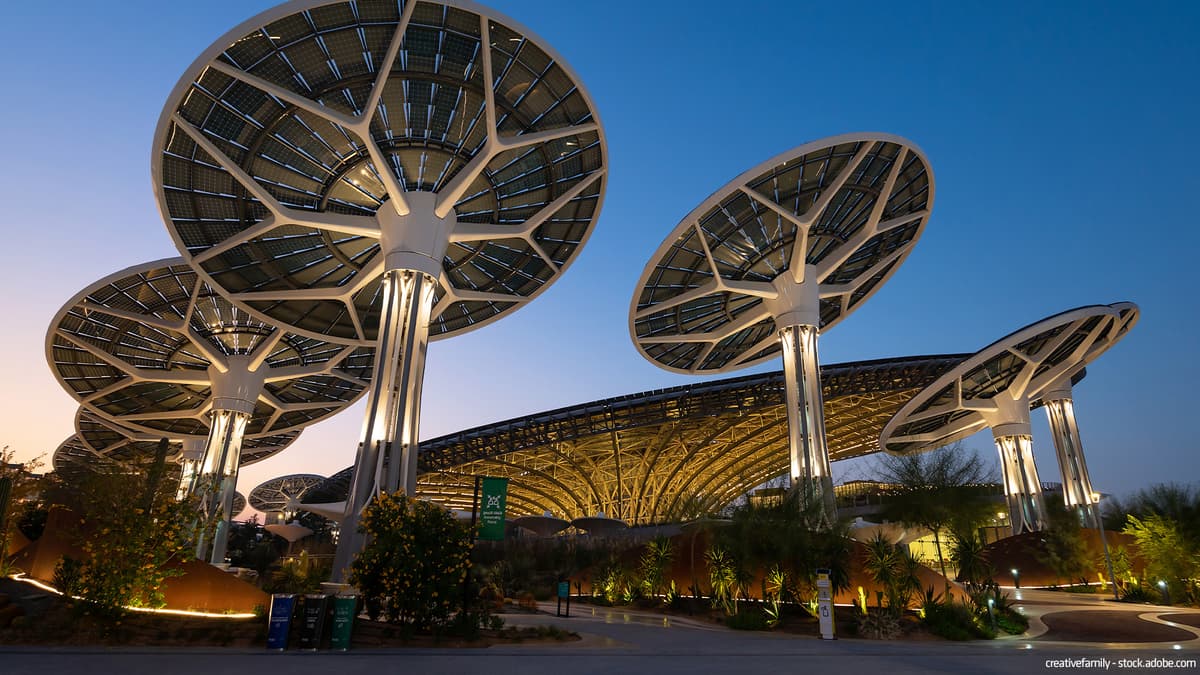
Grimshaw’s recent rollout illustrates how a purpose‑built VDI platform can overcome those historic limitations. After testing Inevidesk pods with its visualisation team, the firm expanded the deployment to about 220 designers across the UK and Europe. The transition slashed workstation provisioning from multi‑week physical rollouts to a matter of days, while allowing IT staff to reassign CPU, RAM, and GPU resources in minutes. Designers now experience workstation‑class graphics performance without the fragility of legacy hardware, enabling faster iteration on complex projects such as the Terra sustainability pavilion.
The broader implication for the AEC sector is a compelling business case for virtual workstations. By eliminating the need for costly rack‑mounted hardware, firms can reduce capital expenditures, streamline maintenance, and scale resources in line with project peaks. Moreover, the agility of on‑demand GPU allocation supports remote collaboration and rapid response to design changes, a competitive advantage in a market where speed and precision are paramount. As more firms witness tangible productivity gains, the shift toward cloud‑native design environments is likely to accelerate, reshaping how architectural studios manage their digital workspaces.
Grimshaw moves to Inevidesk VDI platform
0
Comments
Want to join the conversation?
Loading comments...