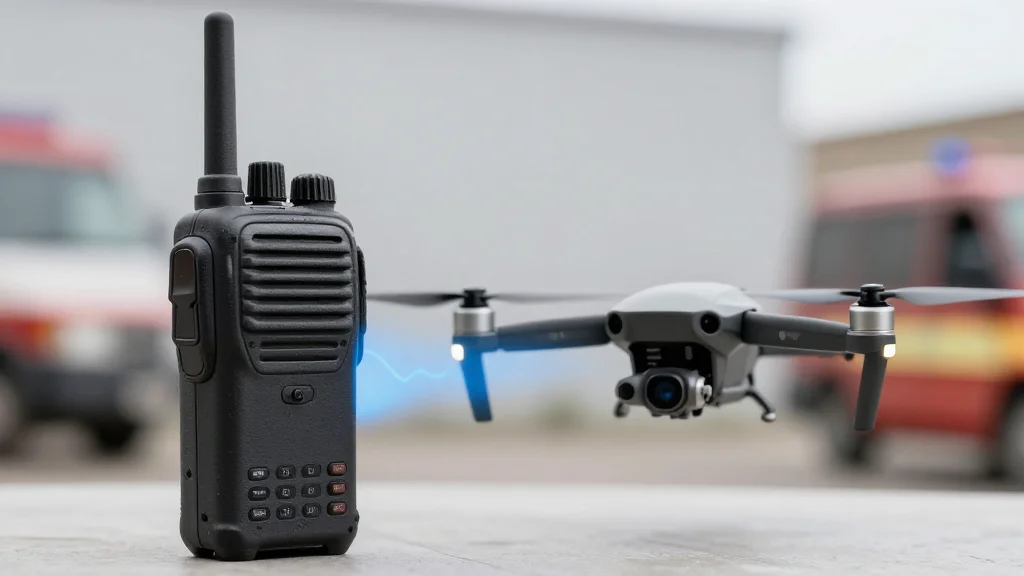
Motorola Solutions Buys D‑Fend for $1.5 B, Sharpening Its Counter‑drone Edge

Companies Mentioned
Why It Matters
The acquisition positions Motorola Solutions as a one‑stop shop for mission‑critical communications and active drone defense, a combination that could become a baseline requirement for large‑scale public‑safety operations. By leveraging its entrenched contracts with 911 centers and emergency responders, Motorola can embed counter‑drone capabilities into existing workflows, reducing the need for agencies to manage multiple vendors. For the broader enterprise security market, the deal underscores the convergence of physical security and communications technology. As drones become more accessible, the demand for integrated mitigation tools will rise, prompting other vendors to consider similar acquisitions or partnerships to stay competitive.
Key Takeaways
- •Motorola Solutions paid $1.5 billion to acquire D‑Fend Solutions.
- •D‑Fend provides RF‑based technology that can take over unauthorized drones.
- •Motorola’s LMR networks serve over 13,000 sites worldwide and power more than 60% of U.S. 911 centers.
- •Axon Enterprise bought drone‑security firm Dedrone for roughly $400 million in 2024.
- •Both Motorola and Axon now compete across communications, video, and drone‑mitigation for public‑safety customers.
Pulse Analysis
Motorola’s purchase reflects a strategic shift from pure communications hardware toward a broader security ecosystem. Historically, the company’s revenue has been anchored by long‑term service contracts for LMR and MANET systems, which provide predictable cash flow but limited upside. By adding D‑Fend’s active drone‑defense suite, Motorola can transform a defensive capability into a revenue‑generating product line, especially as municipalities allocate budgets for integrated security solutions.
The competitive landscape is also evolving. Axon’s earlier foray into drone security with Dedrone shows that the market is attracting both legacy law‑enforcement vendors and newer technology players. However, Motorola’s scale in communications gives it a distinct advantage: it can bundle drone mitigation with its existing dispatch and command‑center software, creating a seamless user experience that rivals may struggle to match without similar depth in communications infrastructure.
Looking ahead, the success of the acquisition will hinge on execution. Integrating D‑Fend’s RF technology into Motorola’s hardware and software stack will require careful engineering and robust field testing. If Motorola can demonstrate reliable performance in high‑profile venues like airports and stadiums, it could set a new industry standard, forcing competitors to accelerate their own integration efforts or seek strategic partnerships. The next 12 months will be critical in determining whether this deal reshapes the public‑safety technology market or remains a niche enhancement to Motorola’s existing portfolio.
Motorola Solutions buys D‑Fend for $1.5 B, sharpening its counter‑drone edge
Comments
Want to join the conversation?
Loading comments...