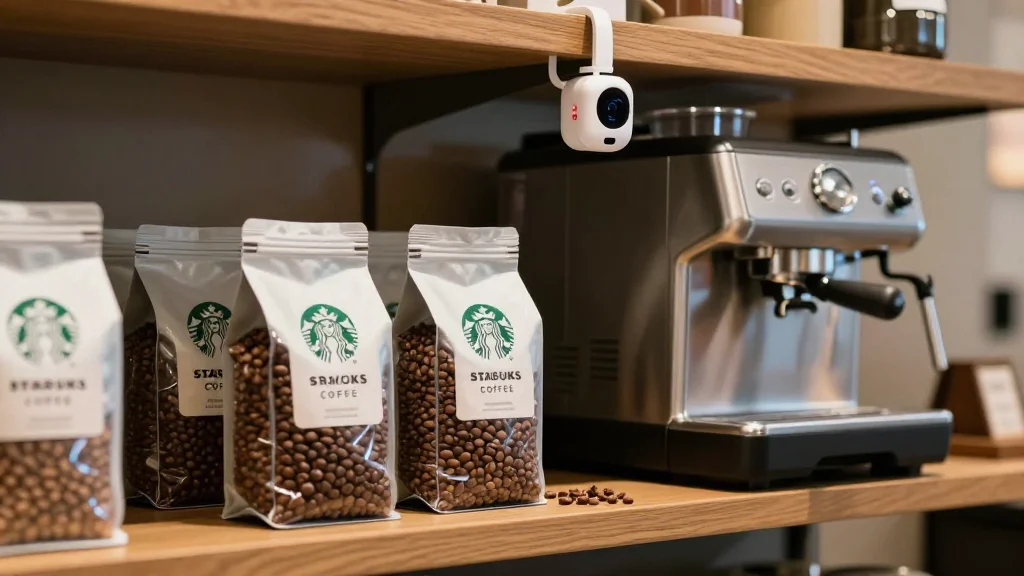
Starbucks Scraps AI Inventory System After Nine‑month Flop, Raising Doubts for Enterprise Automation

Companies Mentioned
Why It Matters
The abrupt retirement of Starbucks' AI inventory system illustrates the practical challenges of deploying computer‑vision technology at scale in consumer‑facing environments. For enterprises, the episode reinforces that AI promises must be tempered with rigorous field testing and contingency planning. Failure to do so can erode operational efficiency, damage brand reputation, and waste capital. Moreover, the incident may reshape how investors assess AI‑driven supply‑chain startups, shifting focus toward demonstrable ROI in live settings rather than theoretical performance metrics. As more Fortune‑500 firms pursue automation, the Starbucks case will likely be cited as a benchmark for risk management and realistic expectation‑setting.
Key Takeaways
- •Starbucks retires AI‑powered Automated Counting tool across 11,000 North American stores on May 18.
- •NomadGo marketed the system as up to eight times faster with 99% accuracy, but it misidentified milk types and syrup bottles.
- •Internal memo cited a need to "standardize how inventory is counted" and return to manual processes.
- •Vendor NomadGo claims the technology is "continuously learning" despite the rollout failure.
- •The case highlights the gap between pilot success and full‑scale deployment for enterprise AI.
Pulse Analysis
Starbucks' decision to abandon its AI inventory system is a textbook example of the perils of scaling niche AI solutions without sufficient real‑world validation. The company moved from a controlled pilot to a full rollout in under a year, a timeline that left little room for iterative learning. In enterprise software, especially where latency directly impacts customer experience, the tolerance for error is minimal. Starbucks' experience suggests that even well‑funded, high‑visibility projects can falter when the underlying data environment is noisy and the operational tempo is high.
Historically, large retailers have struggled with similar initiatives—think of the early RFID rollouts that promised inventory visibility but stumbled on tag readability in dense store layouts. What sets the Starbucks case apart is the reliance on computer vision, a technology that, while advancing rapidly, still grapples with subtle visual distinctions in cluttered, low‑light settings. The misreading of milk cartons is not a trivial glitch; it translates into stockouts, lost sales, and a tarnished brand experience.
Looking ahead, enterprises will likely adopt a more hybrid approach, pairing AI insights with human verification, especially in high‑touch environments like food service. Vendors will need to demonstrate not just lab‑grade accuracy but also resilience under the pressures of peak‑hour operations. For investors, the Starbucks episode will serve as a reminder to demand rigorous field‑test data and clear fallback mechanisms before committing capital to AI‑centric supply‑chain startups.
Starbucks scraps AI inventory system after nine‑month flop, raising doubts for enterprise automation
Comments
Want to join the conversation?
Loading comments...