The SaaS Mess: How Enterprises Lost Control Of Their Software
Companies Mentioned

Gartner
Why It Matters
Without a disciplined lifecycle approach, composable ERP inflates costs and hampers business agility; implementing optimization restores control and safeguards competitive advantage.
Key Takeaways
- •Composable ERP created fragmented apps, raising enterprise IT costs.
- •AI-driven change detection prevents downtime before users notice.
- •Automated testing cuts release cycles 70% and defects 90%.
- •Dynamic AI training boosts adoption, reduces support tickets.
- •AI observability shifts teams from fire‑fighting to prevention.
Pulse Analysis
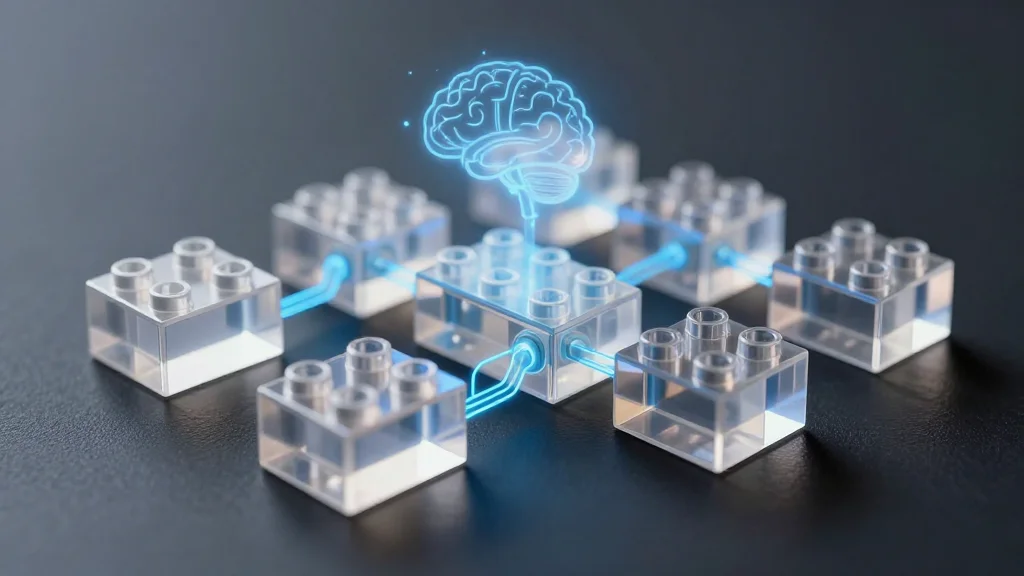
The allure of composable ERP—marketed as a LEGO‑like stack of modular SaaS components—has driven many large enterprises to dismantle monolithic systems in favor of plug‑and‑play applications. Five years after Gartner’s seminal paper, the promised agility has morphed into a sprawling web of disconnected modules, duplicated data stores, and opaque integration points. This fragmentation inflates licensing fees, multiplies maintenance contracts, and creates hidden dependencies that surface as costly downtime. As a result, CIOs are confronting a SaaS mess that erodes the very competitive advantage the strategy was meant to deliver.
ERP lifecycle optimization offers a disciplined antidote. Real‑time change detection surfaces configuration and API updates before they impact users, while AI‑enabled impact analysis maps the butterfly effect of a single tweak across the entire stack. Automated, agentic testing frameworks accelerate release cycles by up to 70 % and slash post‑release defects by roughly 90 %, ensuring integrations remain reliable. Dynamic, in‑flow AI training personalizes guidance for each employee, shortening adoption curves and cutting support tickets. Finally, AI‑powered observability delivers end‑to‑end visibility, turning reactive fire‑fighting into proactive risk mitigation.
Enterprises that embed these capabilities into a unified governance layer will reclaim control and unlock the true promise of composable ERP. Vendors are increasingly bundling lifecycle tools with their platforms, and the market for AI‑driven observability solutions is projected to exceed $5 billion this year, reflecting strong demand. For CIOs, the priority is not merely adding more SaaS apps but establishing a continuous‑monitoring, automated‑testing, and adaptive‑training framework that scales with change. Those who act now can transform a tangled SaaS landscape into a strategic asset in the AI era.
The SaaS Mess: How Enterprises Lost Control Of Their Software
Comments
Want to join the conversation?
Loading comments...