“Transient” Salesforce Validation Rules
•February 16, 2026
0
Why It Matters
Ensuring data integrity at the right point in the sales pipeline improves forecasting accuracy and reduces cleanup effort, directly impacting revenue operations.
Key Takeaways
- •Validation rules must adapt to record lifecycle
- •Use ISPICKVAL for picklist checks
- •ISCHANGED helps enforce data before stage transition
- •Prevents inaccurate lead source data early
- •Improves data quality without hindering sales flow
Pulse Analysis
Transient records are a hallmark of CRM systems, where a Lead or Opportunity gains detail as it moves from creation to closure. In Salesforce, static validation rules that demand complete information at the outset often backfire, leading reps to input placeholder values. By leveraging dynamic functions like ISPICKVAL and ISCHANGED, administrators can craft rules that respect the record’s lifecycle, allowing flexibility early on while safeguarding critical fields before key stage changes. This approach aligns data capture with real‑time business processes, reducing guesswork and enhancing the reliability of downstream analytics.
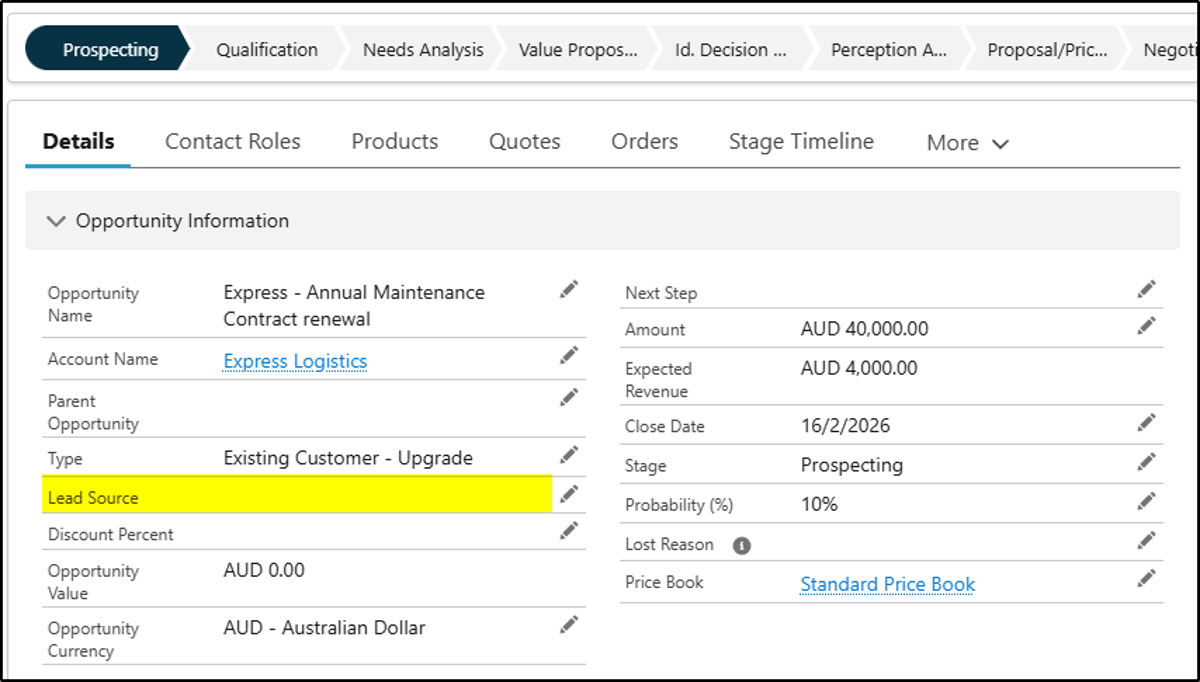
A practical implementation involves checking the current stage and whether it has just changed. The rule AND(ISPICKVAL(LeadSource,""), NOT(ISPICKVAL(StageName,'Prospecting')), ISCHANGED(StageName)) only triggers when a user attempts to move an Opportunity out of Prospecting without a Lead Source. Such conditional logic ensures that essential attributes are populated exactly when they become relevant, preventing incomplete or inaccurate data from contaminating marketing attribution models and pipeline forecasts. Administrators can extend this pattern to other picklist fields, custom objects, or multi‑stage processes, creating a consistent governance framework across the CRM.
Beyond data quality, dynamic validation supports a smoother user experience. Sales teams can focus on relationship building during early stages without being blocked by premature data requirements, yet they are nudged to complete mandatory fields before advancing, preserving the integrity of reporting dashboards. Organizations that adopt this nuanced validation strategy often see reduced data‑entry errors, faster deal velocity, and more trustworthy insights for strategic decision‑making. As Salesforce continues to evolve, combining declarative tools like validation rules with an understanding of record transience remains a cost‑effective way to enforce governance while empowering reps.
“Transient” Salesforce validation rules
0
Comments
Want to join the conversation?
Loading comments...