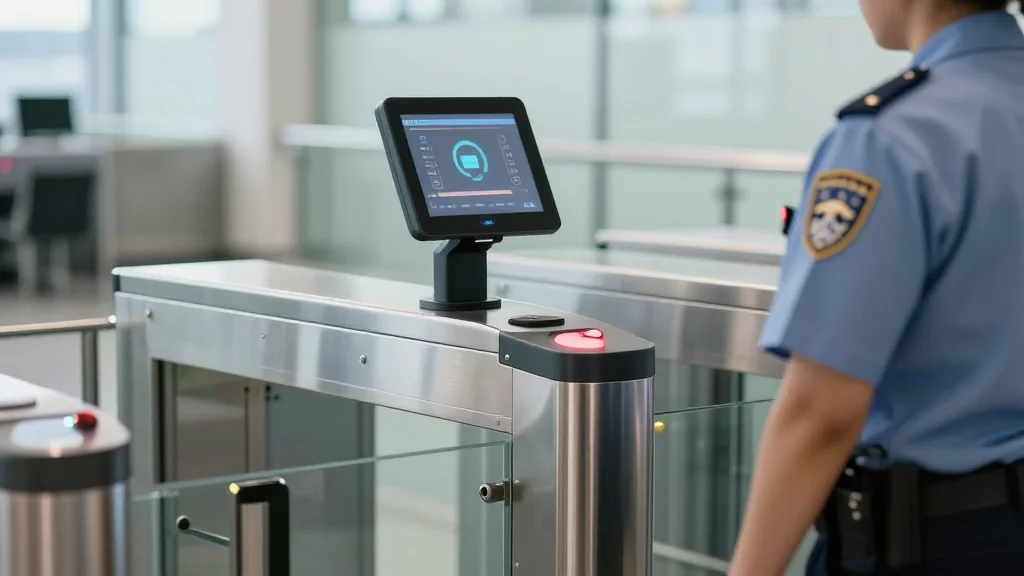
TSA Launches Gold+ Program to Expand Private Airport Screening, Targeting $52 M Savings

Why It Matters
Gold+ could reshape the enterprise security market by opening a federal‑level procurement pipeline to private technology vendors, accelerating the adoption of AI‑based screening solutions. For airports, the program promises operational flexibility and potential cost reductions, but it also introduces new compliance and oversight challenges that could affect contract negotiations, labor relations, and regulatory frameworks. If the TSA’s oversight model proves effective, other federal agencies may look to replicate the public‑private approach, expanding the market for security hardware and software providers. Conversely, any misstep could fuel political backlash and reinforce calls for a fully federalized security apparatus, influencing future budget allocations and legislative oversight.
Key Takeaways
- •TSA launches Gold+ program to expand private screening at U.S. airports.
- •Program aims to save roughly $52 million annually by shifting equipment costs to contractors.
- •AI tools are promised to increase capacity and reduce wait times, though specifics are undisclosed.
- •Labor union AFGE warns the plan could reduce accountability and lower wages for screeners.
- •Industry day scheduled at TSA headquarters in Springfield, Va., to detail rollout.
Pulse Analysis
Gold+ represents the latest iteration of a decades‑old experiment in airport security privatization. By moving equipment ownership to contractors, the TSA is effectively outsourcing capital expenditures, a move that mirrors broader trends in enterprise IT where firms shift from CapEx to OpEx models. This could lower the agency’s budgetary footprint, but it also transfers risk to private vendors, who must now meet stringent federal security standards while competing on price.
Historically, the Screening Partnership Program has been limited to a handful of airports that could demonstrate the operational maturity to manage private contracts. Gold+ widens the net, potentially creating a new market segment for security technology firms specializing in AI‑enabled scanners, biometric verification, and data analytics. Companies that can demonstrate compliance and performance may secure multi‑year contracts worth tens of millions of dollars, reshaping the competitive landscape that has long been dominated by a few legacy defense contractors.
Politically, the initiative walks a tightrope. While Republican leaders champion privatization as a cost‑saving measure, Democratic lawmakers and labor unions raise concerns about transparency and worker protections. The outcome of the upcoming industry day will likely set the tone for congressional oversight and could influence the next federal budget cycle. If Gold+ delivers on its promises without compromising security, it could become a template for other federal agencies seeking to modernize legacy operations through public‑private partnerships.
TSA launches Gold+ program to expand private airport screening, targeting $52 M savings
Comments
Want to join the conversation?
Loading comments...