An Amish Avatar and an A.I. Monk Are Pitching Supplements on Social Media
•March 9, 2026
0
Companies Mentioned

Why It Matters
Synthetic influencers blur disclosure lines, raising regulatory and consumer‑trust challenges for the supplement market and broader digital advertising.
Key Takeaways
- •AI avatars can amass 300k+ followers quickly
- •No disclosure violates FTC influencer guidelines
- •Synthetic influencers cut marketing costs dramatically
- •Unverified supplements risk consumer health and brand credibility
- •AI-driven branding accelerates global product launches
Pulse Analysis
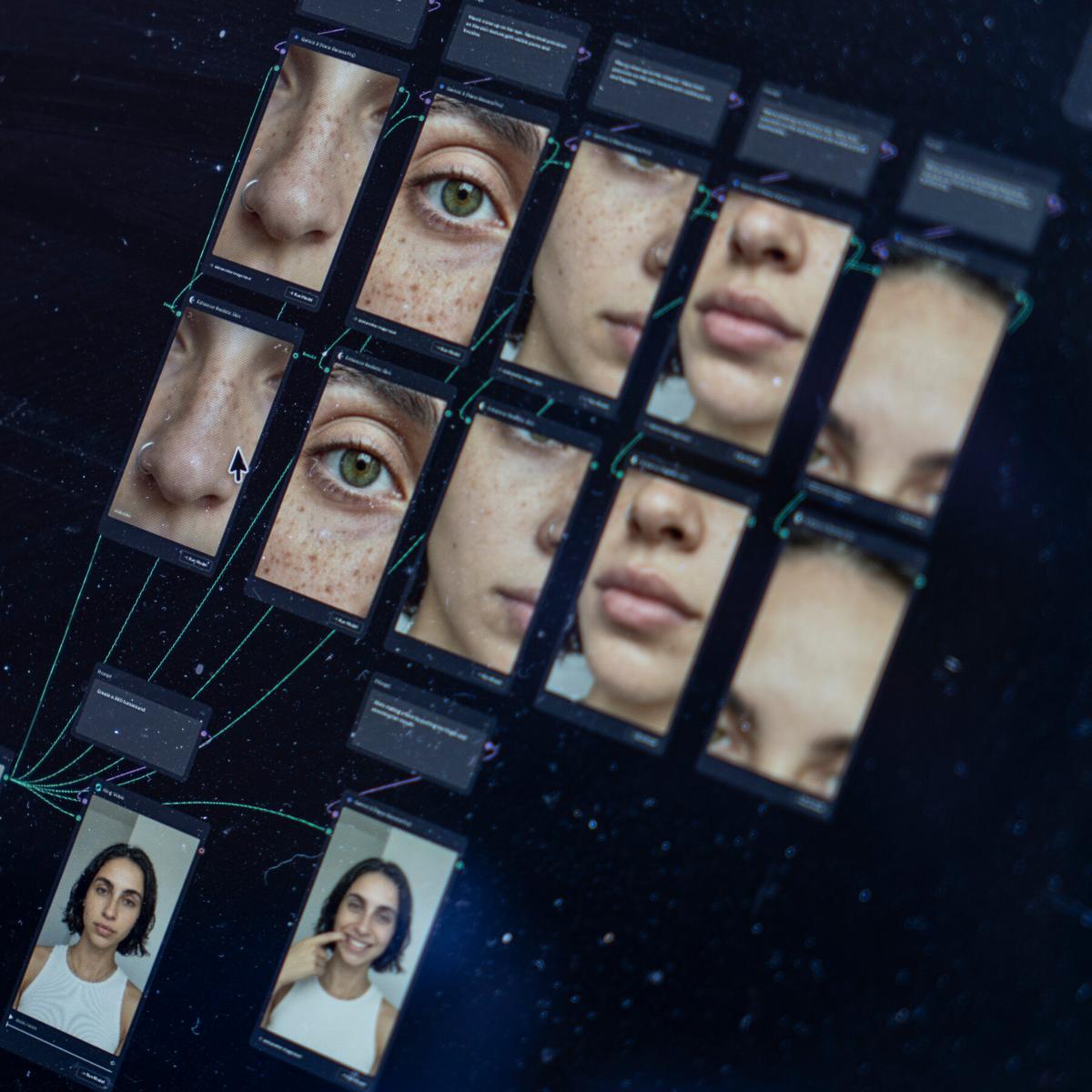
The emergence of AI‑crafted personas like Melanskia signals a new frontier in digital marketing. Advances in generative video and deep‑fake technology allow entrepreneurs to produce hyper‑realistic influencers at scale, targeting niche demographics without the logistical overhead of human talent. Brands are attracted by the promise of rapid follower growth and lower production budgets, a trend that aligns with the broader shift toward AI‑augmented content creation across social platforms.
Regulators and consumer advocates are alarmed by the lack of transparency surrounding synthetic influencers. The Federal Trade Commission requires clear disclosure when content is paid or promotional, yet many AI avatars operate without any indication of their artificial origin. This opacity can erode trust, especially when promoting health‑related products that lack clinical validation. As AI tools become more accessible, policymakers may need to update guidelines to address the unique challenges posed by non‑human brand ambassadors.
For the dietary supplement industry, AI influencers present both opportunity and risk. Companies can launch products faster, leveraging AI avatars to generate buzz and drive e‑commerce sales at a fraction of traditional ad spend. However, the reliance on unverified claims amplified by seemingly authentic personalities can trigger backlash, legal scrutiny, and damage to brand reputation. Marketers must balance cost efficiencies with ethical disclosure practices to sustain consumer confidence in an increasingly AI‑driven marketplace.
An Amish Avatar and an A.I. Monk Are Pitching Supplements on Social Media
0
Comments
Want to join the conversation?
Loading comments...