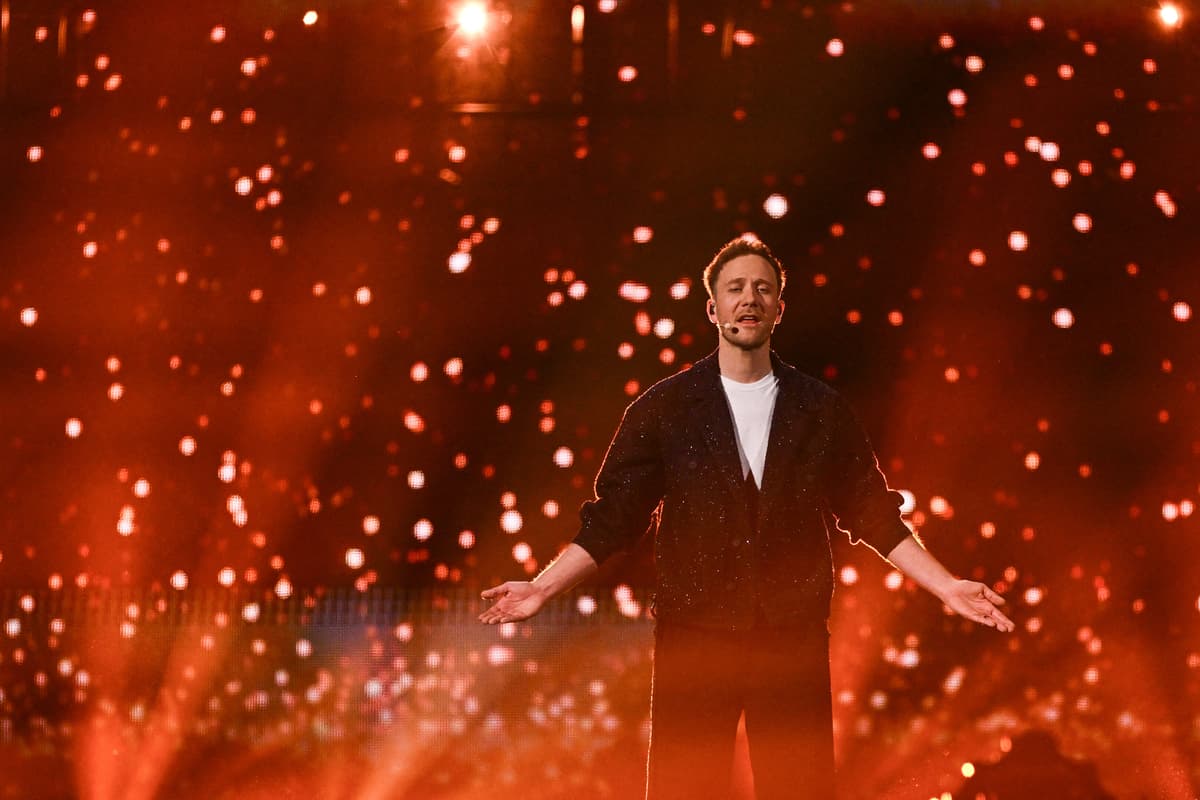
Another Country Confirms Eurovision Song Contest Boycott: "We Will Not Be Broadcasting"
Companies Mentioned

Why It Matters
The boycott underscores how geopolitical tensions are reshaping media strategies and could erode Eurovision’s pan‑European audience, affecting advertising revenue and the EBU’s brand neutrality. It also signals growing pressure on cultural events to address human‑rights concerns.
Key Takeaways
- •Slovenia replaces Eurovision with "Voices of Palestine" documentary series
- •Ireland and Spain also refuse to broadcast, citing Israel’s participation
- •Netherlands and Iceland will air the show despite not competing
- •2026 marks Eurovision’s 70th anniversary, hosted in Vienna
- •Winner Nemo returned trophy, condemning Israel’s involvement
Pulse Analysis
The Eurovision Song Contest, long celebrated as a non‑political showcase of European music, is facing an unprecedented wave of broadcaster withdrawals. Slovenia’s RTV confirmed it will not transmit the 2026 event, substituting the live show with the "Voices of Palestine" film series. This move follows Ireland’s RTÉ and Spain’s RTVE, both of which have cited Israel’s ongoing participation amid accusations of genocide as the catalyst for their bans. The pattern reflects a broader shift where cultural platforms are being held accountable for perceived political alignments, forcing organizers to confront the contest’s image as a neutral entertainment vehicle.
From a business perspective, the boycott threatens the contest’s traditional revenue streams. Broadcasters that pull the plug lose advertising slots tied to the massive live audience, while the European Broadcasting Union (EBU) risks diminished rights fees from participating nations. Even countries like the Netherlands and Iceland, which will still air the semi‑finals and final, may see lower viewership numbers without full regional participation, prompting advertisers to renegotiate rates. The ripple effect could also impact ancillary markets—streaming services, merchandise, and tourism tied to the host city—potentially reducing the economic boost typically associated with the Eurovision week.
Looking ahead, the EBU faces a strategic crossroads. Maintaining the contest’s apolitical stance while addressing legitimate human‑rights concerns will require nuanced policy adjustments, perhaps including clearer criteria for participant eligibility. The 70th‑anniversary edition in Vienna may become a litmus test for the organization’s ability to balance cultural celebration with ethical responsibility. If more broadcasters join the boycott, the EBU could be compelled to restructure its governance model, incorporate stakeholder input on geopolitical issues, and explore alternative distribution methods to safeguard the contest’s relevance in an increasingly politicized media landscape.
Another country confirms Eurovision Song Contest boycott: "We will not be broadcasting"
Comments
Want to join the conversation?
Loading comments...