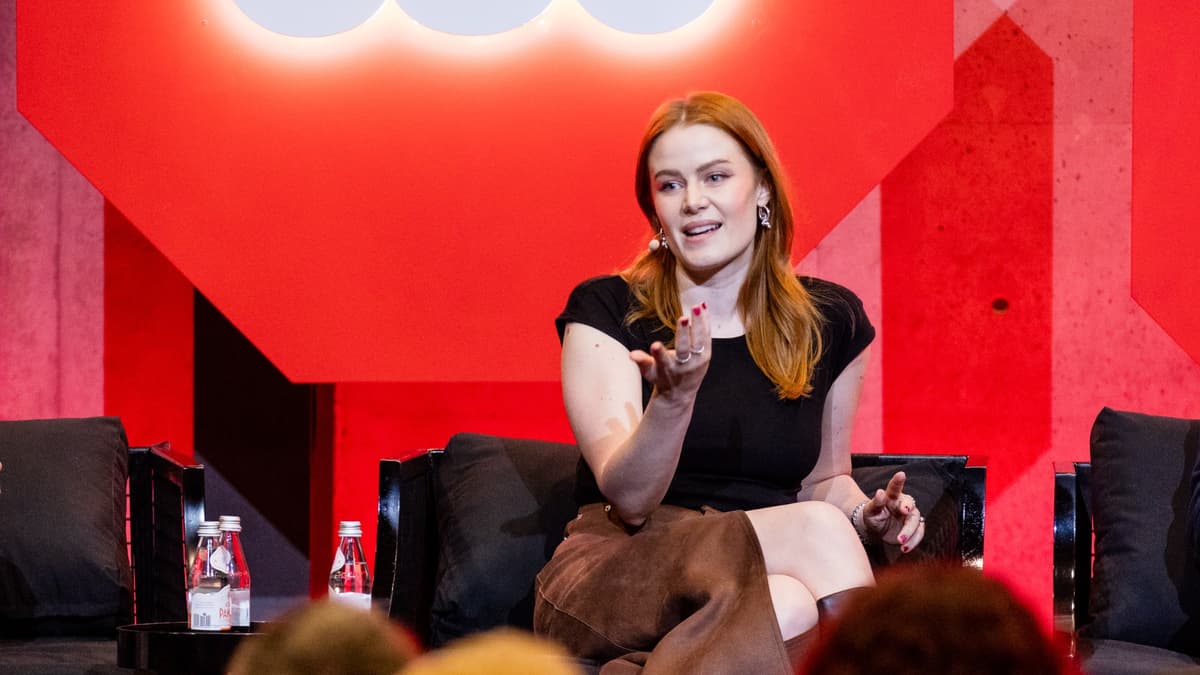
Brands Accused of Blowing It with Creators by Insisting on Overly Tight Briefs
Why It Matters
Tight briefs erode authenticity, causing talent loss and weaker campaign performance, which directly impacts brands’ ROI in the creator economy.
Key Takeaways
- •Overly tight briefs cause 51% of creators to quit deals
- •66% of creators with >10k followers abandon inauthentic campaigns
- •Brands see higher engagement when brand mention delayed past first 20 seconds
- •Trusting creators' storytelling boosts authenticity and audience connection
- •Agencies should give objectives, budgets, then let creators decide execution
Pulse Analysis
The creator economy is maturing, and brands that cling to cookie‑cutter briefs risk alienating the very talent that fuels authentic engagement. Social Soup’s survey of 265 Australian influencers reveals a clear backlash: more than half have rejected brand offers they felt compromised their voice, and the figure jumps to two‑thirds among macro‑influencers. This talent exodus is not merely a morale issue; it translates into missed impressions, lower click‑through rates, and diminished sales lift, especially as audiences grow adept at spotting formulaic promotions.
Research and anecdotal evidence converge on a simple principle: storytelling beats overt branding. Creators such as Maddy MacRae cite her most successful Maybelline ad, where the product appears only after a 20‑second comedic buildup, as proof that delayed brand integration preserves narrative flow and boosts performance metrics. Beau Miles reinforces the point, noting that minimal brand mentions amplify perceived authenticity, prompting viewers to engage rather than scroll past. When creators are forced to embed logos within the first three seconds, the content feels forced, leading to audience disengagement and lower conversion.
For brands, the path forward is to redefine brief structures. Instead of exhaustive scripts, marketers should outline clear objectives, budget caps, and key brand messages, then hand creative control to the influencer. This objective‑first approach respects the creator’s intimate knowledge of their audience and leverages their unique storytelling style. By measuring success through engagement quality—not just reach—brands can rebuild trust with creators, reduce talent churn, and ultimately achieve more sustainable ROI in an increasingly skeptical digital landscape.
Brands accused of blowing it with creators by insisting on overly tight briefs
Comments
Want to join the conversation?
Loading comments...