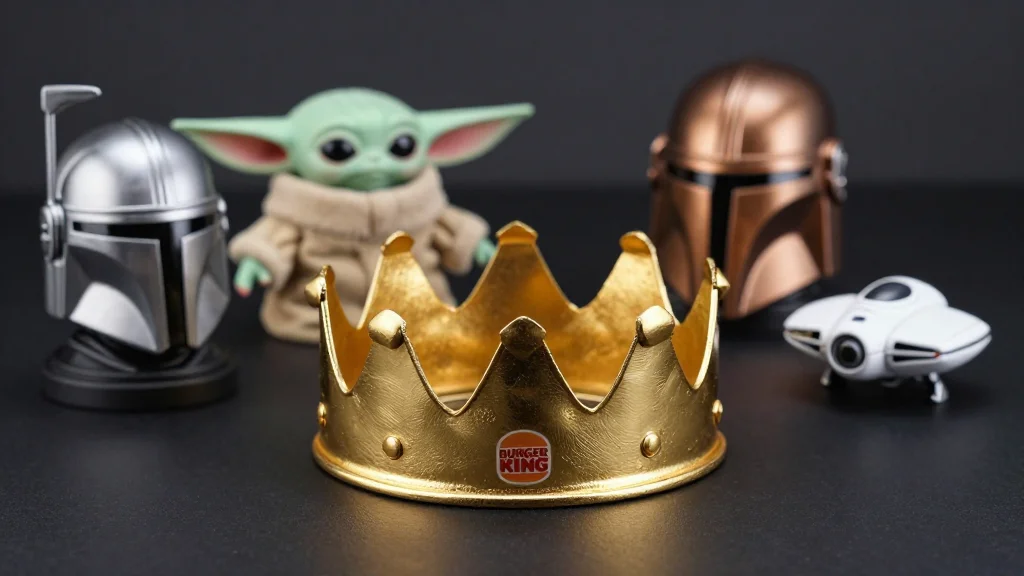
Burger King May Be Getting ‘The Mandalorian and Grogu’ Toys – but U.S. Fans May Miss Out
Companies Mentioned
Why It Matters
The tie‑in illustrates how fast‑food chains leverage blockbuster franchises to drive traffic, while the lack of a U.S. rollout could leave a lucrative market untapped and shift consumer loyalty toward competitors.
Key Takeaways
- •Unofficial images show eight‑toy Mandalorian collection for Burger King
- •Promotion appears limited to Mexico, no US confirmation yet
- •McDonald’s holds existing US Star Wars kids‑meal partnership
- •Toys feature Din Djarin, Grogu, Bo‑Katan, and Razorcrest
- •Fans can still buy theater merch like AT‑AT popcorn bucket
Pulse Analysis
Fast‑food chains have long used pop‑culture licensing to boost foot traffic, and a potential Burger King "Mandalorian" toy line fits that playbook perfectly. By aligning with Disney’s Star Wars franchise, Burger King can tap into a passionate fan base, especially in markets where the brand seeks growth, such as Mexico. The unofficial promotional images suggest a carefully curated eight‑figure set that mirrors the cinematic universe’s visual language, from the Mythosaur emblem to the Imperial Crest, signaling a high‑production effort that could elevate the brand’s perception among younger diners.
The toy lineup itself is noteworthy for its breadth: Din Djarin, Grogu in multiple poses, Bo‑Katan Kryze, Garazeb "Zeb" Orrelios, the Armorer, a Praetorian Guard, and the Razorcrest ship. Collectors value such depth, and the inclusion of iconic symbols on each base adds a layer of authenticity that fans expect from official merchandise. In contrast, McDonald’s continues to dominate the U.S. market with its established Star Wars kids‑meal partnership, offering a clear alternative for American families. This split in regional licensing highlights how franchise owners negotiate multiple fast‑food deals to maximize global exposure while tailoring offers to specific territories.
For U.S. consumers, the absence of a Burger King version could translate into missed revenue and a shift in brand loyalty toward McDonald’s, which already enjoys the Star Wars cachet. The situation also underscores a broader industry trend: entertainment giants are diversifying their licensing portfolios, seeking to reach audiences through varied channels beyond traditional retail. Should Burger King eventually secure a U.S. rollout, it would intensify competition, potentially prompting promotional innovations such as limited‑edition collectibles or digital tie‑ins that blend physical toys with online experiences, further blurring the line between fast food and fandom.
Burger King may be getting ‘The Mandalorian and Grogu’ toys – but U.S. fans may miss out
Comments
Want to join the conversation?
Loading comments...