Comcast Says 4K Feed of Super Bowl Matched Latency of Broadcast
•February 19, 2026
0
Companies Mentioned

Why It Matters
By narrowing the latency gap, Comcast gives subscribers a near‑real‑time viewing experience, reducing spoilers and boosting the appeal of its Xfinity platform against OTT rivals. This positions the company as a leader in live‑sports delivery, a critical differentiator in the competitive pay‑TV market.
Key Takeaways
- •RealTime4K latency: 17 seconds behind live action.
- •Broadcast TV latency typically lowest; Comcast matches it.
- •YouTube TV low‑latency feed at 26 seconds.
- •Hulu latency around 48‑52 seconds.
- •Technology now powering 4K Winter Olympics streams.
Pulse Analysis
Latency has become a decisive factor in the battle for live‑sports viewers, as fans increasingly demand instant access to action without the risk of spoilers from social media. Comcast’s RealTime4K architecture tackles this challenge by streamlining video encoding, packet routing, and edge delivery, shaving seconds off the traditional broadcast chain. By achieving a 17‑second delay—virtually on par with over‑the‑air signals—the company demonstrates that cable operators can still compete with nimble OTT platforms on speed, not just picture quality.
The Super Bowl test revealed a clear hierarchy among streaming services. While Comcast’s Xfinity feed hovered just two seconds behind broadcast, YouTube TV’s low‑latency option lagged at 26 seconds and its standard feed stretched to 39 seconds, according to internal data. Hulu’s performance sat in the high‑40s, aligning closely with third‑party measurements. These disparities underscore how proprietary low‑latency pipelines, like RealTime4K, can translate into a tangible subscriber advantage, especially for high‑stakes events where every second counts.
Looking ahead, Comcast intends to roll RealTime4K out for the 2026 Winter Olympic Games, delivering native 4K streams across NBC’s network and partner channels. Extending this technology beyond a single marquee event signals a strategic push to embed low‑latency, high‑resolution capabilities into its broader content portfolio. If successful, the move could reshape expectations for live‑event broadcasting, compelling rivals to invest in similar infrastructure to retain viewers in an increasingly fragmented media landscape.
Comcast says 4K feed of Super Bowl matched latency of broadcast
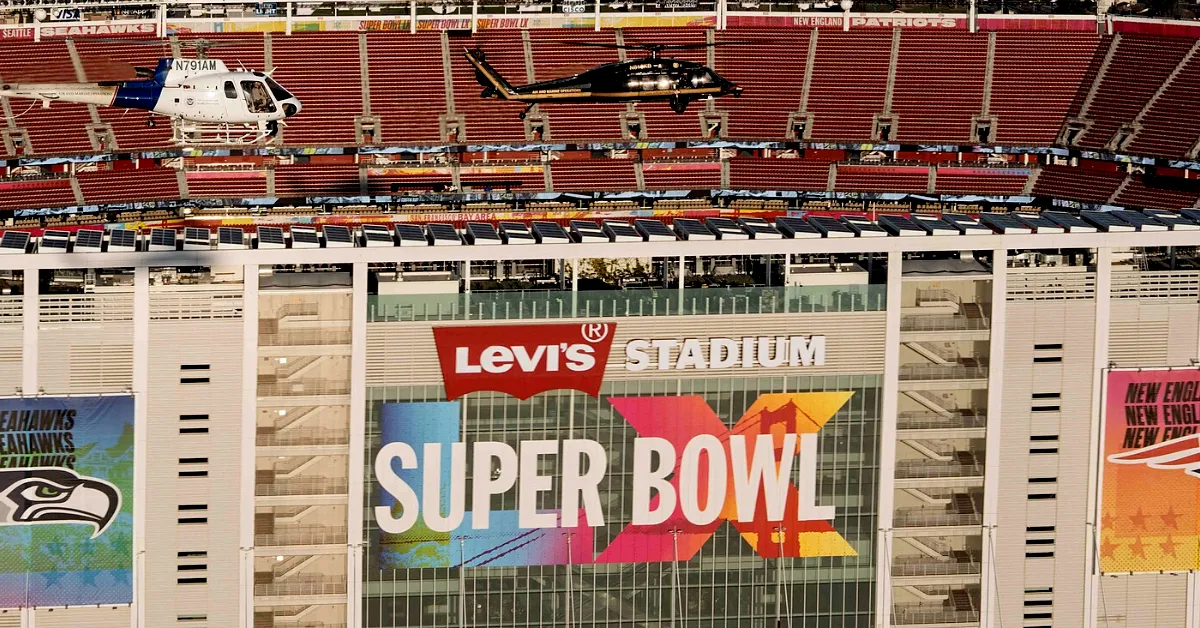
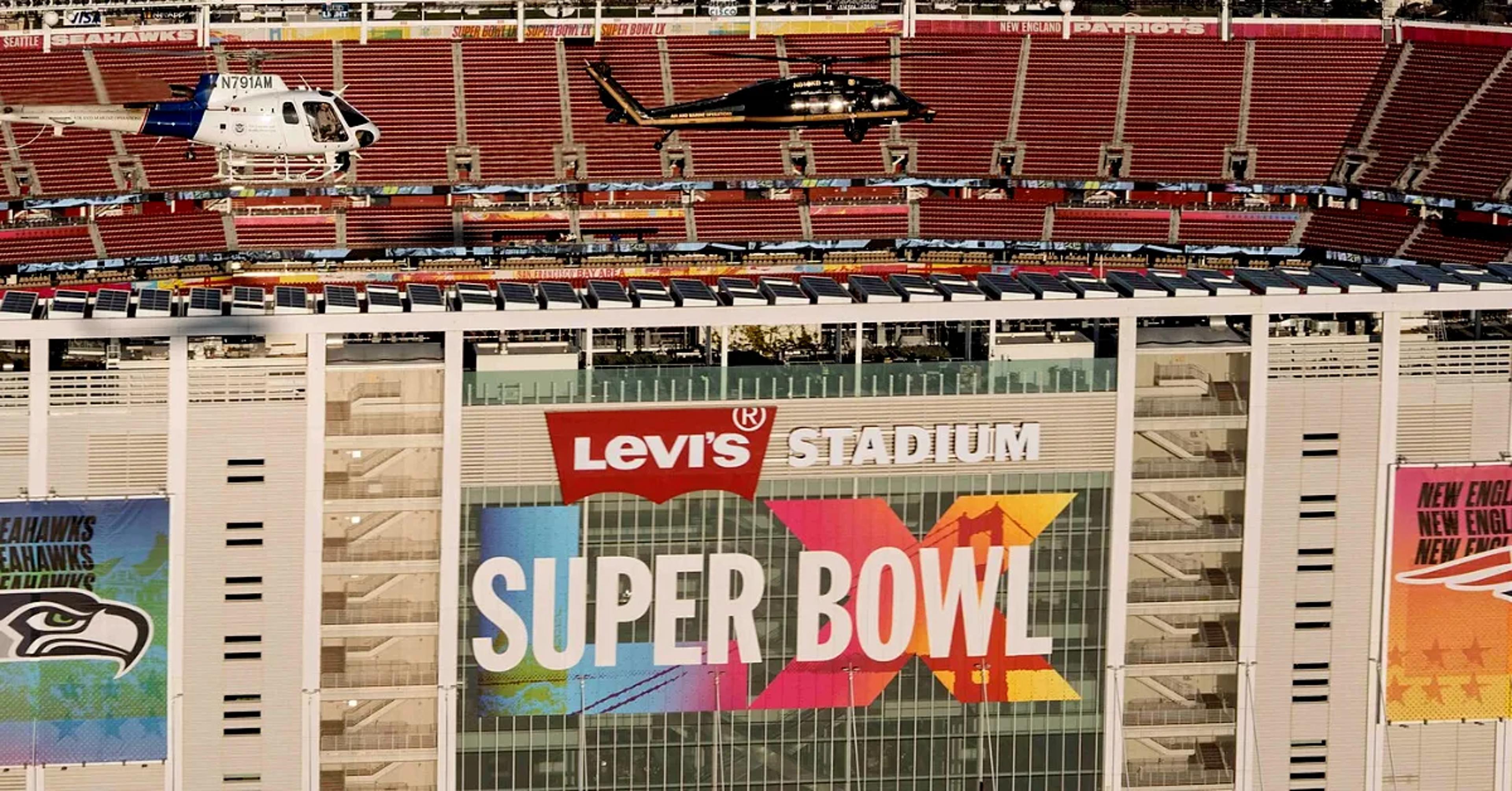
Levi’s Stadium, the host venue for Super Bowl LX. (Photo by Photo by Jeff Underwood, U.S. Customs and Border Patrol)
Comcast says its use of newer technology that allowed it to cut television signal processing times allowed its Xfinity TV platform to deliver the lowest latency during Super Bowl LX.
The technology, called RealTime4K, was only 19 seconds behind the action at Levi’s Stadium in the San Francisco Bay Area, the home venue of Super Bowl LX where the Seattle Seahawks took on the New England Patriots for the Lombardi Trophy.
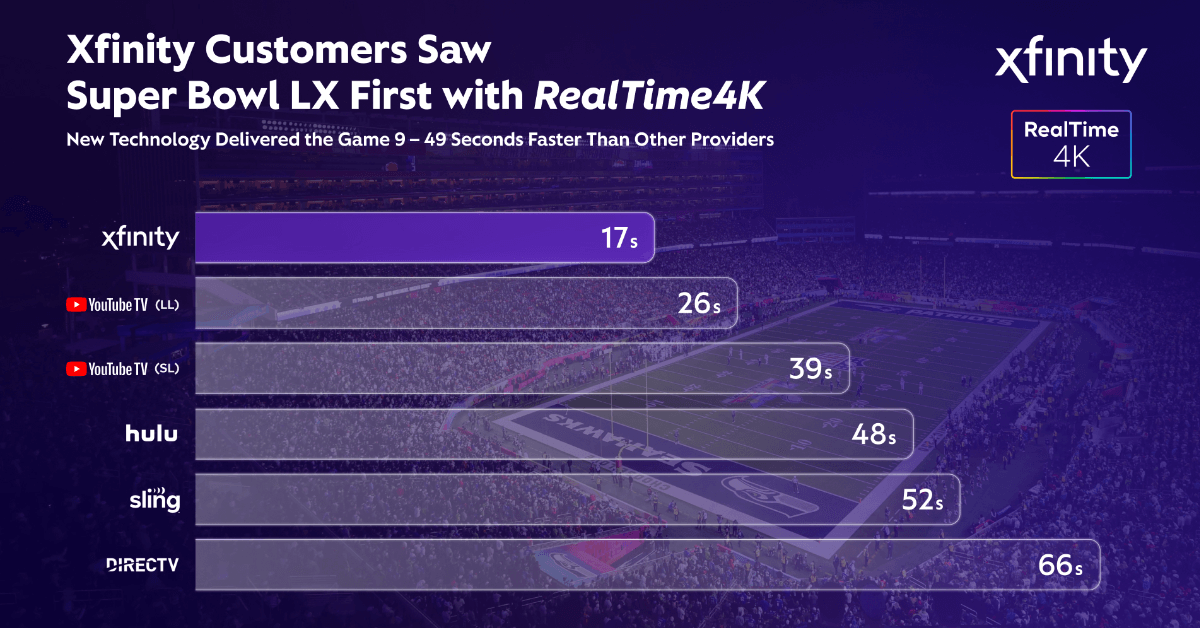
Internal testing showed Comcast’s RealTime4K feed offered via a dedicated Peacock-branded channel on Xfinity TV was just 17 seconds behind on-field action, putting it almost on par with over-the-air television as measured separately by Stats Perform.
Broadcast TV typically has the lowest latency of any platform, given that signals have fewer hurdles to jump over before they are shown on screen. Comcast says its RealTime4K technology uses improved processes at all stages of the journey that cuts down the delivery time of a signal from a venue to a fan’s TV set at home.
“Delivering the fastest path from stadium to screen is the ultimate benchmark for live sports,” Michael Pilquist, the Vice President of Video Architecture at Comcast, said in a statement. “RealTime4K builds on our network innovation to give customers not only the most immersive picture and sound, but the speed that keeps them ahead of spoilers, texts, and social media.”
(Chart courtesy Comcast)
Comcast’s internal testing of other platforms was actually more-generous than data offered by Stats Perform. YouTube TV’s low-latency feed of Super Bowl LX on NBC was just 26 behind on-field action and 39 seconds if viewers watched on the regular feed, according to Comcast. Stats Perform put YouTube’s latency at 53 seconds, without clarifying whether the feed was the low-latency or normal version.
Hulu’s latency was almost comparable between Comcast and Stats Perform’s testing, with Comcast putting Hulu’s latency of the NBC feed at 48 seconds and Stats Perform reporting latency at 52 seconds.
Fubo was not measured in either test because the sports-focused streaming platform does not carry NBC’s channels and wasn’t able to offer Super Bowl LX to its subscribers.
Comcast offered its RealTime4K feed to Xfinity TV customers with a compatible X1 set-top box. Those who tried to watch the RealTime4K feed of Super Bowl LX were prompted to upgrade their Xfinity TV equipment if they couldn’t receive the channel.
The same technology is now being used to deliver native 4K feeds of the Winter Olympic Games from Milan and Cortina, with NBC offering live and same-day taped events from the games on its broadcast network, cable pop-up channels and through a limited partnership with Versant’s CNBC and USA Network.
—
This story first appears at TheDesk.net, a premium source for original news and analysis on the business of media and technology.
Never miss a story — make sure our stories appear in your Google search results by adding us as a trusted source, and sign up for our free newsletters here.
0
Comments
Want to join the conversation?
Loading comments...