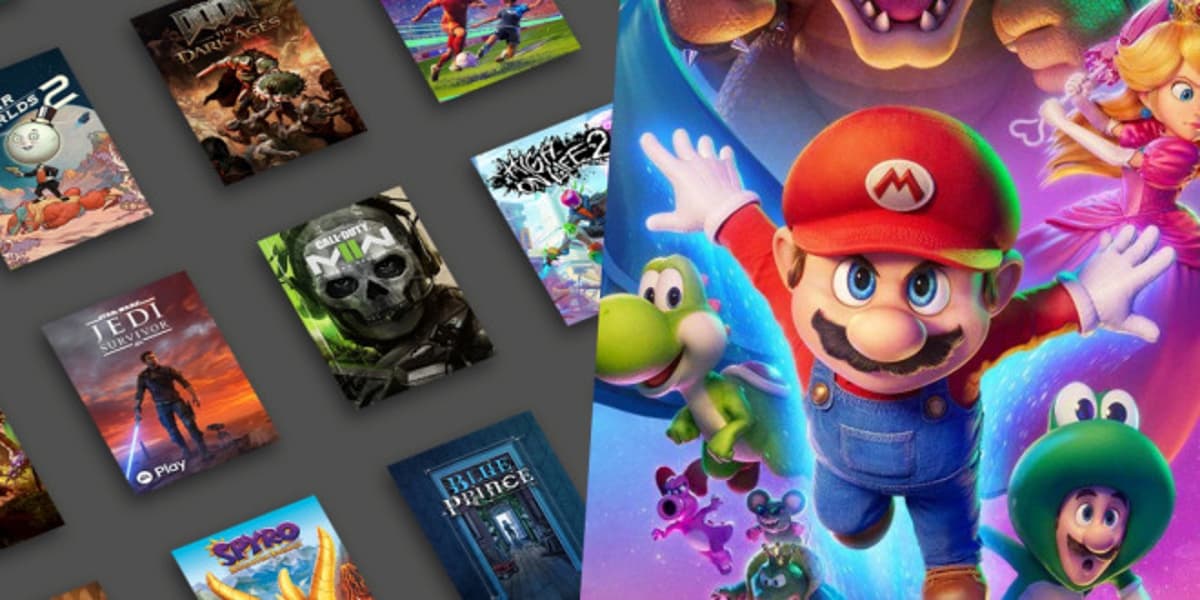
Game Pass Price Cuts and Super Mario Galaxy’s Box Office Dominance | Week in Views
Companies Mentioned
Why It Matters
Xbox’s pricing and tier tweaks could reshape subscription dynamics and revenue streams, while Mario’s box‑office dominance underscores the growing power of gaming IPs in mainstream entertainment.
Key Takeaways
- •Xbox cuts Game Pass price under CEO Asha Sharma
- •Day‑one Call of Duty removed from Game Pass
- •Xbox explores customizable Game Pass tiers
- •Super Mario Galaxy movie tops 2026 box office with $755M
- •Franchise surpasses $2B cumulative global earnings
Pulse Analysis
Xbox’s recent price reduction for Game Pass reflects a corrective response to subscriber backlash after last year’s hike. By lowering the monthly fee, Microsoft hopes to attract price‑sensitive gamers and increase daily active users, a metric it highlighted in its April 23, 2026 "north star" announcement. The move also dovetails with rumors of a modular subscription model, allowing users to toggle features such as Fortnite Crew or cloud gaming, potentially reducing churn and expanding the service’s appeal across regions where certain features are unavailable.
The decision to pull day‑one access for new Call of Duty releases marks a strategic recalibration of the Activision Blizzard acquisition. While the franchise remains a marquee draw for Xbox, delaying its inclusion on Game Pass by roughly a year restores a revenue window for traditional sales, addressing the underperformance of titles like Black Ops 7 that suffered from subscription cannibalization. This approach balances the need to keep the franchise’s massive player base engaged while preserving the financial upside of retail and digital purchases, a critical consideration as Microsoft seeks to justify its $69 billion investment.
Across the entertainment spectrum, Nintendo’s *Super Mario Galaxy* movie illustrates the lucrative crossover potential of gaming IPs. With $361 million earned in the United States alone and a global total exceeding $755 million, the film has become the top‑grossing release of 2026, pushing the Mario franchise past the $2 billion mark. The success highlights how nostalgic brand equity can drive box‑office performance, encouraging studios to mine video‑game properties for cinematic adaptations. As the line blurs between interactive and passive media, both publishers and filmmakers are likely to pursue more integrated storytelling strategies to capitalize on built‑in fan bases.
Game Pass price cuts and Super Mario Galaxy’s box office dominance | Week in Views
Comments
Want to join the conversation?
Loading comments...