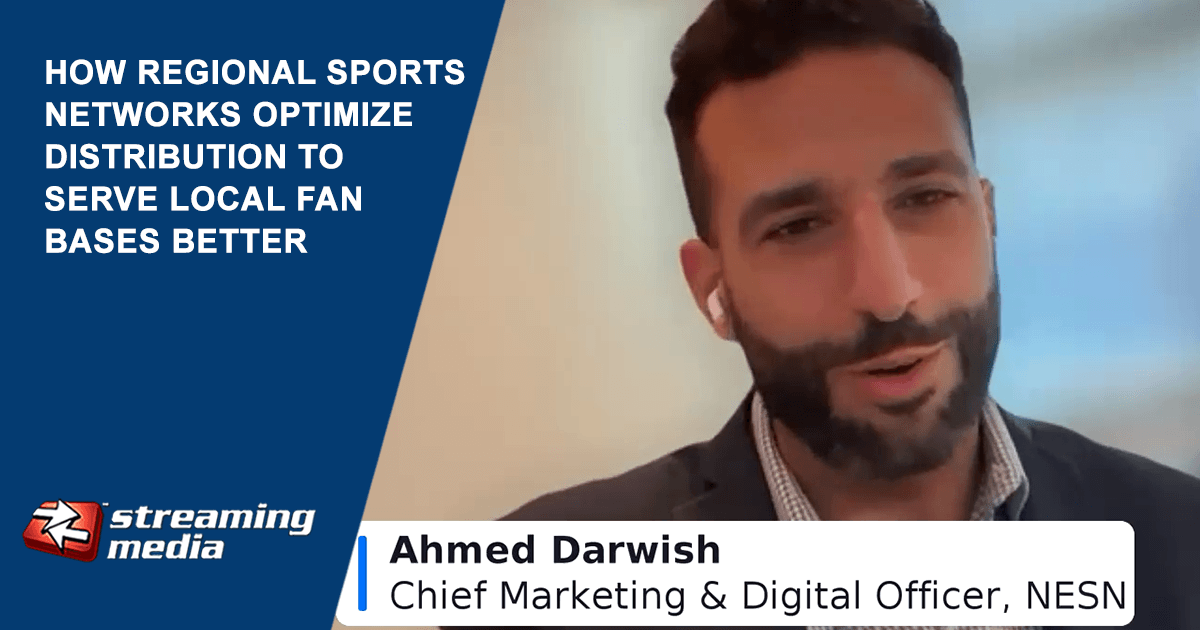
How Regional Sports Networks Optimize Distribution to Serve Local Fans Better
Why It Matters
The hybrid distribution strategy expands audience reach, unlocking new subscription revenue while preserving advertising inventory for RSNs facing cord‑cutting pressures.
Key Takeaways
- •Space City’s DTC app SCHN+ expands reach beyond traditional cable
- •Virtual MVPDs like Fubo and DirecTV streams fill gaps in OTA coverage
- •NESN360 lets fans authenticate via TV packages or subscribe directly
- •Reducing friction encourages casual fans to adopt paid sports subscriptions
Pulse Analysis
Regional sports networks have long relied on linear carriage to monetize local team content, but the rise of cord‑cutting has forced a strategic pivot. Operators such as Space City and New England Sports Network (NESN) are now layering direct‑to‑consumer platforms—SCHN+ and NESN360—on top of existing cable, satellite, and virtual MVPD arrangements. By leveraging internet connectivity, these DTC services capture viewers in peripheral markets like Tulsa or Dallas, and they provide a seamless authentication path for households already subscribed through traditional providers. This multi‑tiered approach preserves the high‑value linear audience while tapping into the growing segment of mobile and over‑the‑air viewers.
Monetization remains a central tension. While some analysts advocate a pure subscription model, many RSNs are experimenting with hybrid pricing that blends monthly fees with ad‑supported (AVOD) inventory. Reducing friction—offering the same 4K feed via both a TV package and a standalone app—encourages casual fans to convert to paying subscribers, expanding the revenue base beyond the core fanatic. The ability to track fan engagement across platforms also equips broadcasters with richer data, enabling dynamic pricing, targeted advertising, and more precise rights negotiations with leagues.
The broader market implications are significant. Cable operators risk losing leverage as RSNs increasingly bypass them, prompting renegotiations of carriage fees and carriage‑only contracts. Advertisers gain access to highly segmented, data‑driven audiences, while rights holders may see a shift toward revenue sharing models that reflect both linear and streaming performance. As more regional networks adopt DTC and virtual MVPD solutions, the industry is poised for a more fluid, consumer‑centric ecosystem that balances fan choice with sustainable monetization.
How Regional Sports Networks Optimize Distribution to Serve Local Fans Better
Comments
Want to join the conversation?
Loading comments...