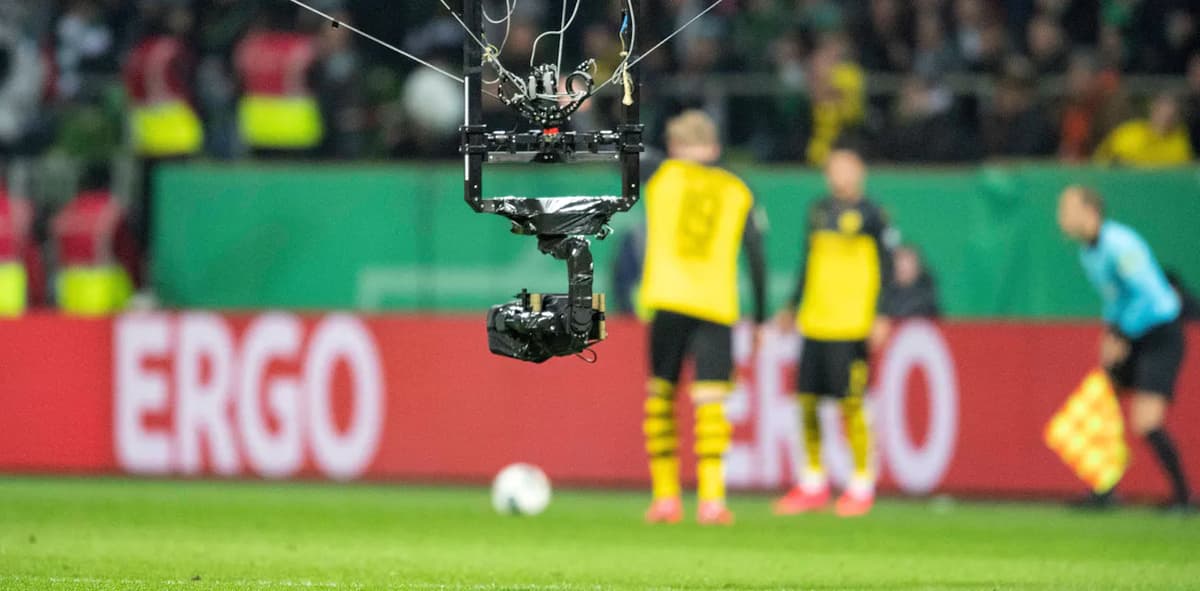
How World Cup Filming Has Evolved Since the Last US Tournament – From Spider Cameras to AI and Drones
Why It Matters
These innovations aim to capture the massive U.S. audience by turning matches into multi‑screen, data‑rich experiences, boosting engagement and advertising value for broadcasters and platforms.
Key Takeaways
- •48 teams, 104 matches, 45‑50 cameras per game
- •AI avatars capture player dimensions for VAR and off‑side tech
- •Spider, gyro‑stabilized and referee‑mounted cameras use AI stabilization
- •TikTok and YouTube become FIFA’s preferred live‑stream platforms
- •“Data‑tainment” merges real‑time analytics with immersive fan experiences
Pulse Analysis
The 2026 World Cup marks a technological watershed for global sport, leveraging the scale of three host nations to trial cutting‑edge production tools. Beyond the traditional broadcast lens, FIFA is integrating AI‑generated 3‑D player avatars that feed directly into VAR and off‑side systems, promising faster, more accurate calls. Coupled with a suite of 45‑50 cameras per match—including spider rigs, gyro‑stabilized cable cams, and referee‑mounted lenses—AI‑driven stabilization ensures crisp, immersive visuals even during high‑speed play.
Streaming strategy is equally ambitious. By designating TikTok and YouTube as preferred platforms, FIFA taps the massive user bases of the two services, offering live match segments, behind‑the‑scenes content, and curated highlight reels. This partnership reflects a broader shift toward platform‑first distribution, where traditional broadcasters share the stage with social media giants. The move also opens new revenue streams through targeted advertising and creator collaborations, aligning the tournament with the consumption habits of younger, mobile‑first audiences.
Finally, the concept of "data‑tainment" redefines fan interaction. Real‑time optical tracking data will power on‑screen graphics, in‑stadium screens, and mobile alerts, delivering granular statistics alongside cinematic replays. This blend of analytics and entertainment seeks to satisfy both purist viewers and those craving a richer, interactive experience. As stadium connectivity improves, spectators can expect instant access to VAR reviews, player metrics, and personalized content, blurring the line between watching live and engaging digitally. The cumulative effect positions the 2026 World Cup as a template for future mega‑events, where immersive tech and platform distribution drive both audience growth and commercial upside.
How World Cup filming has evolved since the last US tournament – from spider cameras to AI and drones
Comments
Want to join the conversation?
Loading comments...