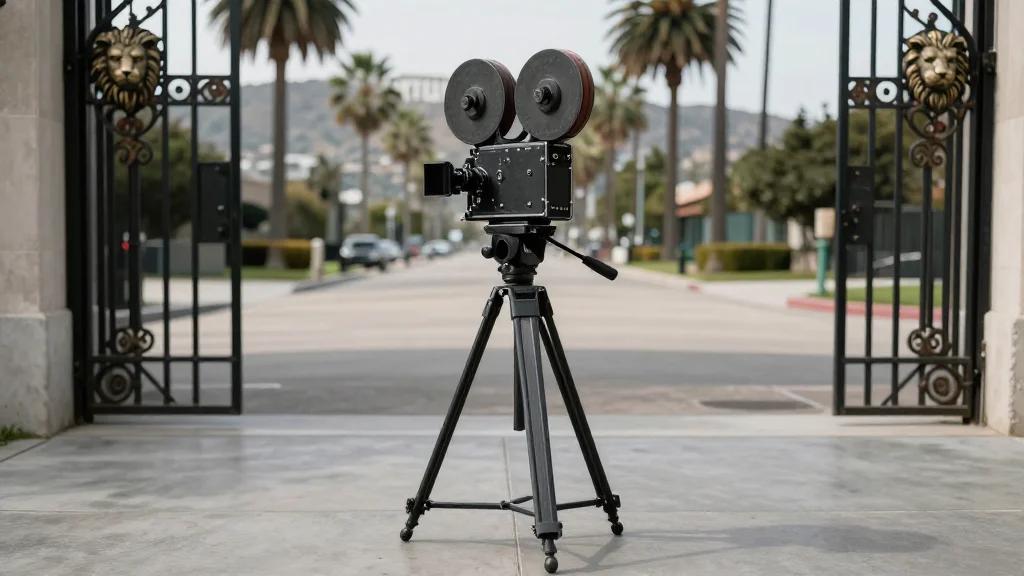
Netflix in Talks to Buy Radford Studio Center for Up to $400 M

Companies Mentioned
Why It Matters
Securing Radford would give Netflix a rare, owned production asset in the heart of Hollywood, reducing reliance on third‑party landlords and insulating the streamer from future studio‑space shortages. The move also signals a broader trend of streaming giants converting lease commitments into owned infrastructure, a strategy that could reshape the economics of content creation and intensify competition for talent and resources in Los Angeles. Moreover, the discounted purchase price reflects the lingering volatility in the studio‑real‑estate market, offering Netflix a cost‑effective way to expand its production capacity while maintaining financial discipline after recent high‑profile acquisition attempts. For the wider entertainment ecosystem, Netflix’s potential entry as a lot owner could spur further investment in studio upgrades, create high‑wage jobs, and influence local zoning decisions. It may also pressure other owners to reconsider their own asset strategies, potentially leading to more sales or joint‑venture arrangements as the industry adapts to post‑pandemic production realities and the rise of AI‑enhanced workflows.
Key Takeaways
- •Netflix negotiating to buy Radford Studio Center for $330‑$400 million, a steep discount to its 2021 $1.85 billion sale price.
- •Radford includes 22 soundstages, 210,000 sq ft of office space, and a plan to expand up to 2.2 million sq ft.
- •Current owners Hackman Capital defaulted on a $1.1 billion mortgage; Goldman Sachs now controls the lot.
- •Netflix pays $27 million annual rent for its Sunset Studios lease and occupies 722,305 sq ft, highlighting its existing L.A. footprint.
- •Acquisition would shift Netflix from leasing to owning a flagship U.S. production hub, potentially lowering long‑term costs.
Pulse Analysis
Netflix’s pursuit of Radford reflects a strategic pivot toward asset ownership at a time when the streaming market is maturing and cash flows are under pressure. By locking in a historic lot at a fraction of its prior valuation, Netflix can amortize the purchase over many years of content production, effectively turning a capital outlay into a cost‑saving lever. This mirrors the playbook of legacy studios that own extensive backlots, giving them control over scheduling, set construction, and ancillary revenue streams such as rentals to third parties.
The deal also underscores the shifting dynamics of studio real estate. The pandemic‑induced exodus of productions to tax‑incentive‑rich states left many L.A. lots under‑utilized, depressing valuations and creating buying opportunities for cash‑rich players. Netflix’s disciplined approach—eschewing the $2.8 billion Warner Bros. termination fee in favor of a $400 million acquisition—signals a preference for incremental, lower‑risk investments that directly support its content pipeline. If Netflix integrates Radford successfully, it could set a precedent for other streamers to acquire or partner on similar assets, potentially sparking a wave of consolidation in the studio‑lot market.
Looking ahead, the success of this transaction will hinge on Netflix’s ability to modernize the aging infrastructure while preserving the lot’s historic character—a balance that could attract top talent and reinforce its brand as a premier content creator. Regulatory approval and local community support will be critical, especially given the planned expansion of up to 2.2 million sq ft. Should Netflix navigate these hurdles, the Radford acquisition could become a cornerstone of its long‑term production strategy, anchoring its global content ambitions in the heart of Hollywood.
Netflix in Talks to Buy Radford Studio Center for Up to $400 M
Comments
Want to join the conversation?
Loading comments...