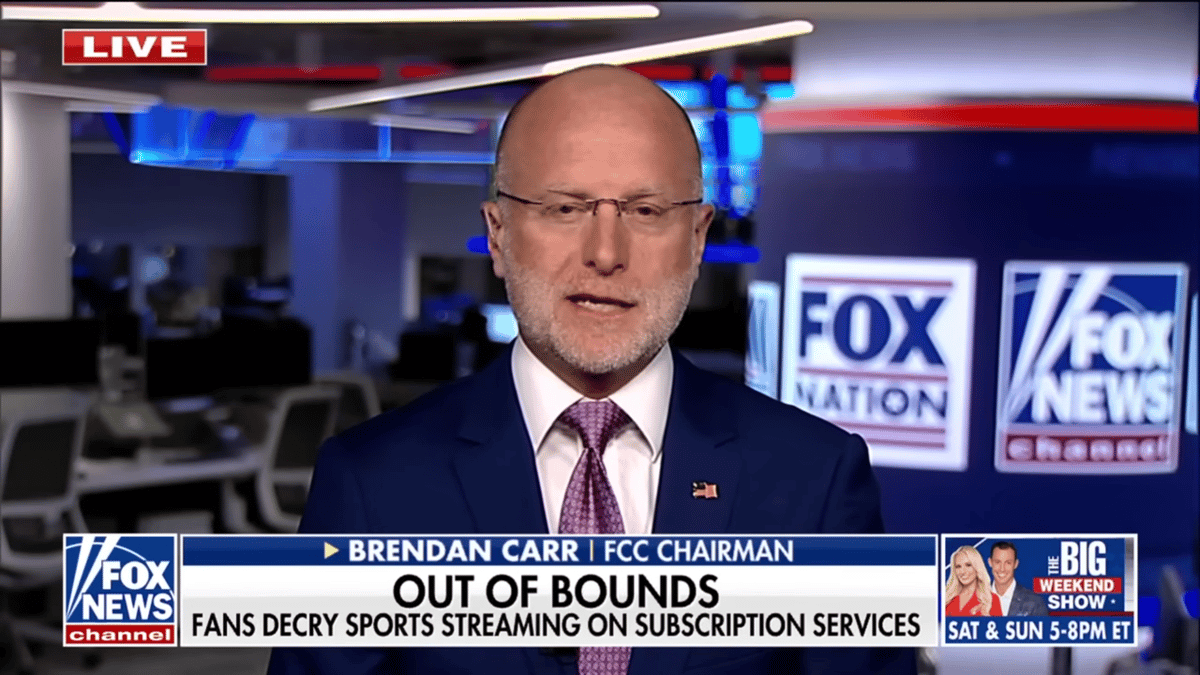
NFL To FCC: Ending Antitrust Exemption Would Mean “Higher Costs and Confusion”
Companies Mentioned
Why It Matters
Removing the exemption could force each of the 32 teams to negotiate separate deals, reshaping the sports‑media landscape and potentially raising subscription fees for fans. It also signals a broader regulatory shift toward curbing streaming‑driven market concentration.
Key Takeaways
- •NFL argues antitrust exemption keeps games on broadcast TV.
- •FCC weighs ending exemption as streaming fragments sports rights.
- •2025 season aired on 10 paywalled platforms, total cost ~$1,500.
- •Broadcasters warn streaming giants' budgets could outbid network deals.
- •Losing exemption may force 32 teams to negotiate separate contracts.
Pulse Analysis
The NFL’s antitrust exemption, granted decades ago, lets the league negotiate broadcast contracts collectively, ensuring that the majority of games appear on major networks. This model has underpinned the league’s ability to deliver consistent national coverage while preserving local affiliate revenue streams. By keeping rights bundled, the NFL argues it safeguards fan access, stabilizes advertising markets, and maintains competitive balance across small and large markets alike.
Streaming services such as Amazon, Netflix, and Apple have accelerated the migration of premium sports content to subscription‑based platforms. In 2025, NFL games were spread across ten pay‑walled services, pushing the total annual cost for a die‑hard fan to about $1,500. Broadcasters and the National Association of Broadcasters contend that this fragmentation erodes the public‑interest mandate of free over‑the‑air TV and inflates consumer expenses. The FCC’s inquiry reflects growing concern that unchecked streaming bids could marginalize traditional broadcasters and diminish universal access to live sports.
If regulators strip the exemption, each of the league’s 32 franchises could be forced to strike individual deals with a myriad of outlets. This scenario would likely multiply the number of contracts, increase administrative overhead, and drive subscription prices higher as platforms compete for exclusive rights. While the move could open new revenue streams for teams, it also risks alienating fans accustomed to a unified viewing experience. Stakeholders are watching closely as the outcome will shape the future balance between broadcast stability and the expanding digital streaming ecosystem.
NFL To FCC: Ending Antitrust Exemption Would Mean “Higher Costs and Confusion”
Comments
Want to join the conversation?
Loading comments...