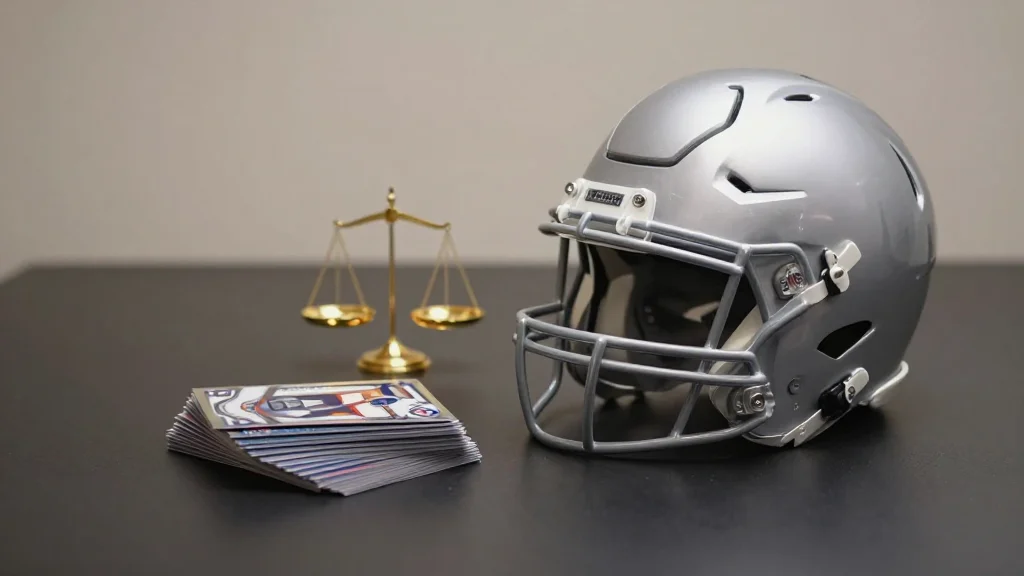
NFLPA Sues Leaf Trading Cards Over IP, Group Licensing
Companies Mentioned
Why It Matters
A ruling will determine how strictly group licensing rules apply to trading‑card sets, directly affecting revenue streams for player unions and the business model of collectible manufacturers.
Key Takeaways
- •NFLPA sues Leaf for unauthorized group licensing of player likenesses
- •Case hinges on whether six+ players appear across a card set
- •Leaf may invoke First Amendment defense based on transformative use
- •Ruling could reshape licensing revenue for sports unions and card makers
Pulse Analysis
The NFLPA’s lawsuit against Leaf Trading Cards spotlights the growing tension between athletes’ publicity rights and the collectible industry’s reliance on player likenesses. As the exclusive group‑licensing agent for NFL players, the union controls the use of any combination of six or more athletes in a product line, a framework that underpins lucrative deals with partners like Fanatics. Leaf, known for its niche sports card lines such as PayDirt Football and Metal Football, contends that its cards do not meet the six‑player threshold on any single card, prompting a legal showdown over how group rights are defined across an entire set.
Legal precedent offers mixed signals. Courts have consistently upheld athletes’ rights to compensation for commercial use, from the 1953 Topps decision to the Ed O’Bannon case that reshaped college‑sports NIL rules. Yet First Amendment defenses have succeeded in related contexts, notably in fantasy‑sports and media cases where the use was deemed newsworthy or transformative. Leaf may argue its cards constitute a creative arrangement that adds new expression, a strategy that succeeded for Cardtoons in a 1996 MLBPA case. The outcome will clarify whether such arguments can shield companies from group‑licensing obligations.
The broader stakes extend beyond Leaf’s niche market. A decision favoring the NFLPA could reinforce the financial clout of player unions, compelling all trading‑card manufacturers, video‑game developers, and apparel brands to secure group licenses or risk costly litigation. Conversely, a ruling that narrows the scope of group rights could open the floodgates for unlicensed use, potentially eroding the value of exclusive licensing agreements that fund player advocacy and charitable initiatives. Stakeholders across sports, entertainment, and intellectual‑property law are watching closely, as the case may set a new benchmark for how athlete identity is monetized in the digital age.
NFLPA Sues Leaf Trading Cards Over IP, Group Licensing
Comments
Want to join the conversation?
Loading comments...