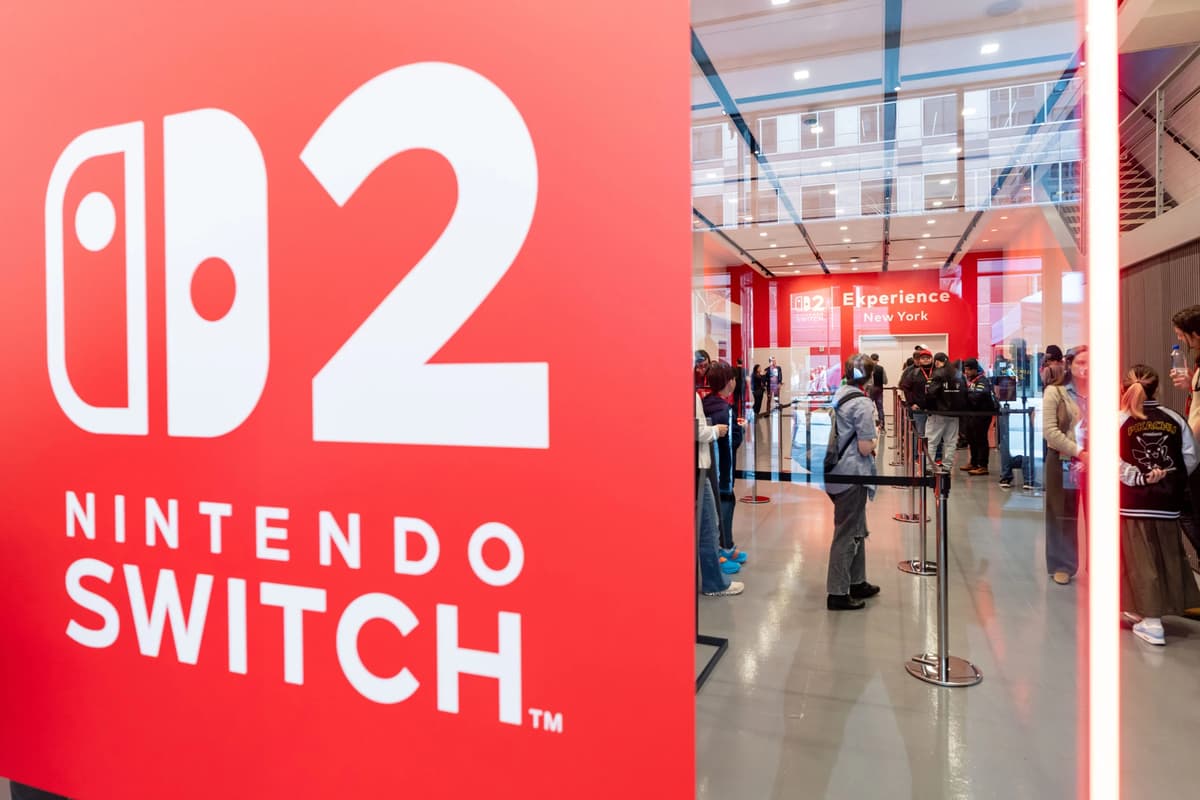
Nintendo Confirms Switch 2 Price Rises, Consoles Now $500 in the US
Companies Mentioned
Why It Matters
Higher console prices compress consumer budgets and signal mounting cost pressures across the gaming hardware sector, potentially reshaping competitive dynamics between Nintendo, Sony and Microsoft.
Key Takeaways
- •US Switch 2 price jumps to $499.99 starting Sep 1, 2026.
- •European price rises to €499.99 (~$545) and Canada to $679.99 CAD (~$503).
- •Japanese hardware hikes ~¥10,000, making Switch 2 about ¥59,980 ($400).
- •Nintendo cites RAM cost surge and global economic outlook as reasons.
- •Sony and Microsoft also raised console prices, tightening market margins.
Pulse Analysis
Nintendo’s decision to lift the Switch 2 price to $500 reflects a confluence of macro‑economic forces that are reshaping the console market. The surge in DRAM prices, spurred by AI‑driven data‑center expansion, has eroded margins for hardware manufacturers that rely on high‑capacity memory chips. Coupled with lingering US tariff uncertainties, Nintendo opted to adjust its MSRP rather than absorb the cost, a strategy echoed by Sony’s recent $100 PlayStation 5 increase and Microsoft’s modest Xbox price adjustments. These moves underscore how supply‑chain volatility is now a primary driver of pricing, not just consumer demand.
For gamers, the higher price tag may delay upgrade cycles, especially as the original Switch continues to receive support and discounts. However, Nintendo’s brand loyalty and exclusive first‑party titles could mitigate churn, keeping the ecosystem robust despite the cost hike. Retail analysts predict a short‑term dip in unit sales, but the company’s diversified revenue streams—such as Switch Online subscriptions and merchandise—provide a buffer. Competitors will watch Nintendo’s sales data closely to gauge whether the market can sustain premium pricing across multiple generations.
Looking ahead, the industry may see a broader shift toward value‑added services and bundled offerings to justify higher hardware costs. Nintendo could respond with accessory bundles, extended warranty plans, or tiered subscription models that bundle games and cloud features. Meanwhile, the ongoing RAM shortage may prompt manufacturers to explore alternative chip architectures or negotiate longer‑term supply contracts. In a landscape where console lifespans are extending and price elasticity is tightening, strategic pricing will become as critical as game libraries in determining market share.
Nintendo confirms Switch 2 price rises, consoles now $500 in the US
Comments
Want to join the conversation?
Loading comments...