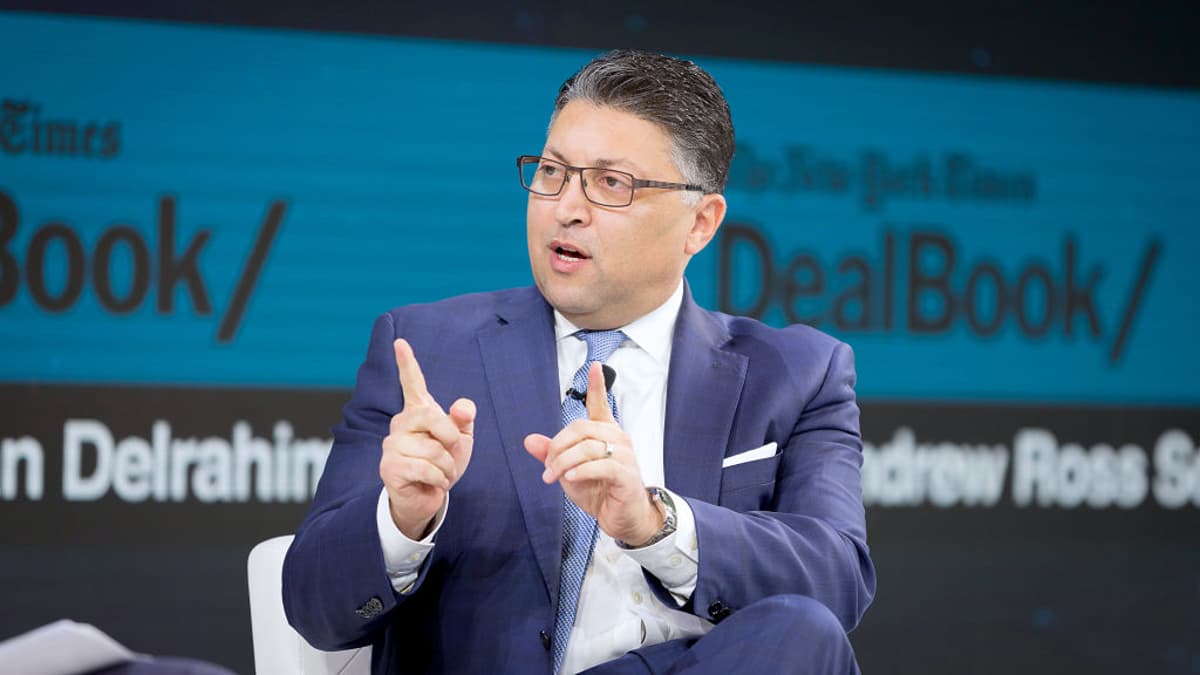
Paramount Accuses Netflix of "Scorched-Earth Campaign" Against WBD Merger
Companies Mentioned
Why It Matters
The dispute highlights how major streaming rivals can influence antitrust scrutiny, potentially shaping the future competitive landscape of the U.S. media industry.
Key Takeaways
- •Paramount‑Skydance claims Netflix is running an anti‑merger campaign
- •Teamsters petition DOJ, fearing job losses from Paramount‑WBD deal
- •Merger would combine $79 billion debt, saving under $6 billion
- •Paramount expects to double theatrical output, release 30 films yearly
- •Netflix dismissed allegations as ‘absurd,’ focusing on its own business
Pulse Analysis
The proposed Paramount‑Skydance acquisition of Warner Bros. Discovery has ignited a rare public clash between two streaming powerhouses. Paramount’s legal team sent a letter to the Justice Department alleging that Netflix is deliberately spreading misinformation to sway regulators and labor groups. This accusation follows a March filing by the International Brotherhood of Teamsters, which warned that the merger could jeopardize jobs for its 1.3 million members. By framing Netflix’s outreach as a "panic‑level" effort, Paramount hopes to pre‑empt any antitrust pushback and reassure stakeholders that the combined entity will actually expand production, not shrink it.
Financially, the deal would unite two heavily indebted giants, creating a $79 billion balance sheet while promising cost synergies of more than $6 billion through the elimination of duplicate back‑office functions. Paramount’s own SEC filing projects a modest under‑10% reduction in total content spend, yet it pledges to double its theatrical slate and deliver at least 30 feature films annually. The promise of increased call sheets, location days and ancillary services is positioned as a boon for union trades, even as analysts question whether the projected savings will translate into real‑world job growth.
Beyond the numbers, the controversy underscores the political dimensions of media consolidation. Delrahim’s letter not only attacks Netflix’s narrative but also accuses unnamed Washington actors of fear‑mongering and antisemitic motives. Such rhetoric signals a broader strategy to frame the merger as a public‑interest win rather than a monopoly risk. As regulators weigh the transaction, the outcome will set a precedent for how streaming competitors can shape antitrust outcomes and influence labor policy in an industry undergoing rapid consolidation.
Paramount accuses Netflix of "scorched-earth campaign" against WBD merger
Comments
Want to join the conversation?
Loading comments...