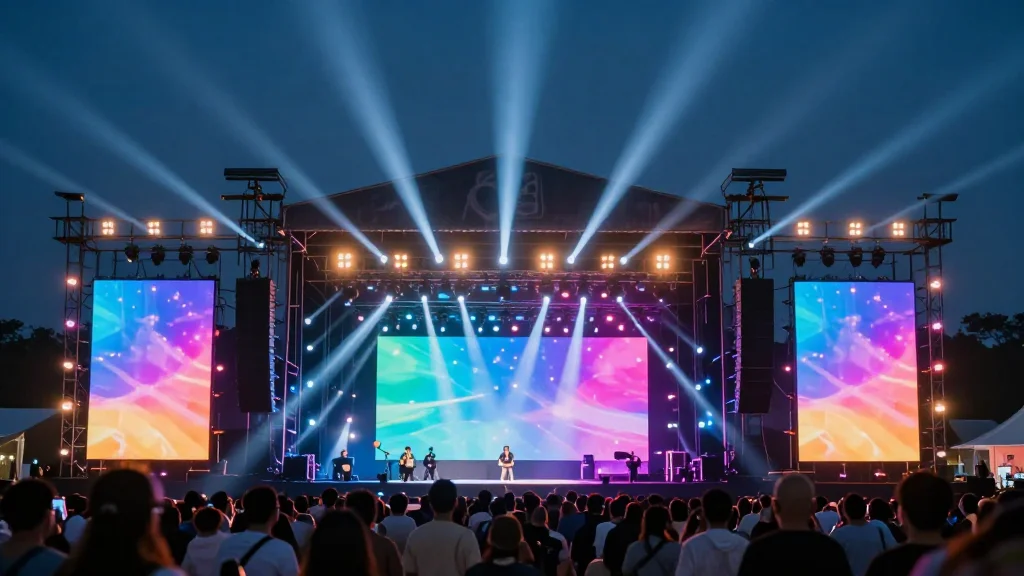
Pasquale Rotella Details How EDC Scaled to 500,000 Attendees and a Global Brand

Companies Mentioned
Why It Matters
EDC’s growth illustrates how a single festival can evolve into a multi‑billion‑dollar brand, reshaping the economics of live electronic music. Rotella’s strategy of pairing high‑margin VIP experiences with deep sponsorship integration sets a template for other festivals seeking to monetize beyond ticket sales. The planned satellite events also signal a move toward a franchise model that could dominate the global festival calendar, influencing venue negotiations, local economies and artist touring patterns. The partnership with Live Nation demonstrates how legacy concert promoters can amplify niche genres, providing distribution muscle while preserving creative control. As festivals grapple with rising production costs, regulatory scrutiny and shifting consumer preferences, Insomniac’s blend of technological upgrades and brand extensions offers a roadmap for sustainable scaling in the entertainment sector.
Key Takeaways
- •EDC Las Vegas draws >170,000 attendees per day, >500,000 over three days
- •Rotella launched Insomniac in 1993; sold 50% to Live Nation in 2013
- •Three new stages—bassPOD, kineticFIELD, circuitGROUNDS—debuted for the 30th anniversary
- •Seven satellite EDC festivals are planned for 2026 across multiple continents
- •VIP tickets command up to three times general admission price, driving major revenue
Pulse Analysis
Insomniac’s ability to scale EDC from underground raves to a global franchise reflects a broader maturation of the electronic‑music market. The infusion of Live Nation’s distribution network in 2013 gave Rotella access to corporate sponsorship pipelines that were previously out of reach for niche festivals. This partnership has enabled higher‑priced VIP tiers, which now dominate the profit margin, while keeping the general‑admission price relatively stable to maintain the festival’s inclusive ethos.
Production innovations—such as underground power lines and modular stage designs—reduce operational risk and allow faster iteration on the festival experience. By investing in proprietary stages, Insomniac creates differentiators that can be licensed or replicated at satellite events, turning creative assets into recurring revenue streams. The upcoming satellite rollout will test whether the EDC brand can sustain its premium pricing in markets with different purchasing power and regulatory environments.
Looking forward, the key challenge will be balancing artist fees, which have risen sharply as top DJs command multi‑million‑dollar contracts, against the need to keep ticket prices attractive. Rotella’s hint at augmented‑reality experiences could open new digital‑ticket tiers, offering a hedge against inflationary pressures on live‑event costs. If Insomniac can successfully integrate these tech layers while preserving the communal vibe that defines rave culture, EDC may set the standard for how festivals evolve into year‑round entertainment ecosystems.
Pasquale Rotella Details How EDC Scaled to 500,000 Attendees and a Global Brand
Comments
Want to join the conversation?
Loading comments...