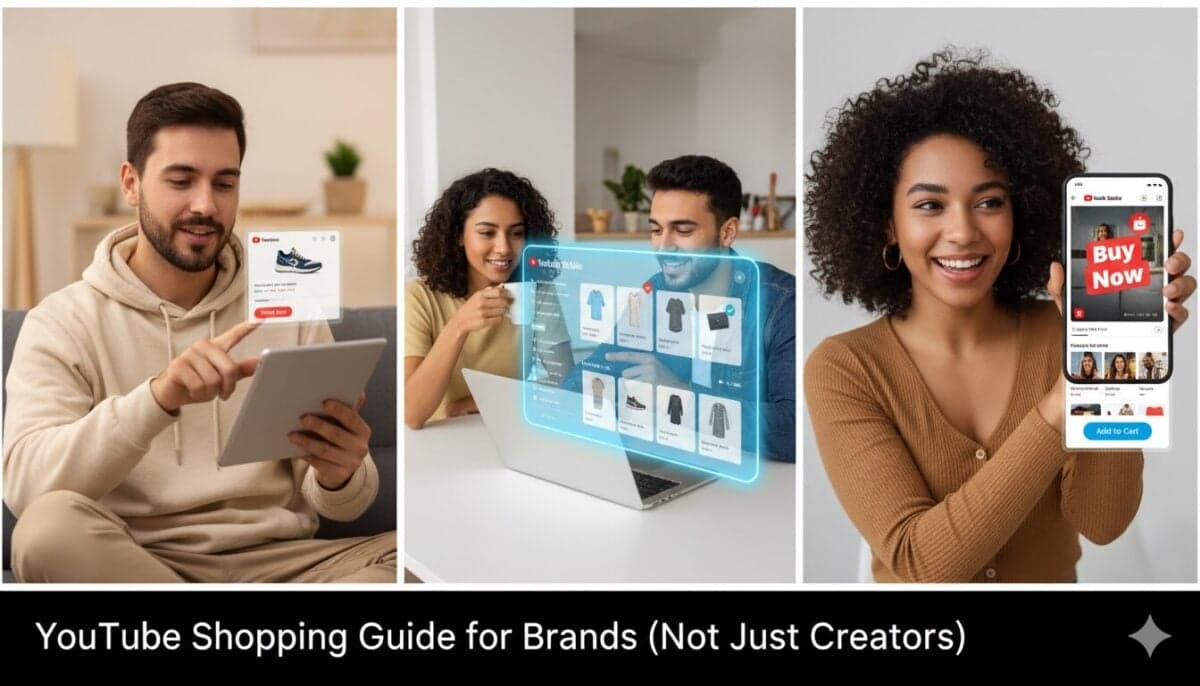
YouTube Shopping Guide for Brands (Not Just Creators)
Why It Matters
The feature transforms YouTube from a content hub into a full‑funnel commerce engine, letting brands capture purchase intent at the moment of discovery and measure ROI in real time.
Key Takeaways
- •YouTube Shopping now supports brands across Shorts, long‑form, Live.
- •Connect product feed via Google Merchant Center to enable tagging.
- •Shorts stickers boost product clicks over 40% versus button.
- •Hybrid owned + affiliate tagging balances margin and reach.
- •Shopping analytics reveal clicks, revenue, and format performance.
Pulse Analysis
YouTube’s shift toward integrated commerce reflects broader consumer expectations for seamless, video‑first shopping experiences. Unlike TikTok or Instagram, YouTube combines long‑form depth with massive global reach, making it a compelling venue for brands seeking both discovery and conversion. The platform’s partnership with Google Merchant Center simplifies inventory synchronization, while the Shorts shopping stickers capitalize on the short‑form boom, delivering higher click‑through rates without sacrificing the creator’s storytelling flow.
For marketers, the practical rollout hinges on three pillars: feed integrity, tagging strategy, and partnership model. A clean, verified product feed—complete with GTINs and up‑to‑date stock levels—prevents disapprovals and builds shopper trust. Tagging should be selective, focusing on 3‑10 high‑impact SKUs per video and aligning timestamps or sticker placement with on‑screen mentions. Brands can choose between direct inventory sales for full margin control or the YouTube Shopping Affiliate program to leverage creator audiences with performance‑based payouts, often blending both for optimal reach and profitability.
Analytics now close the loop, offering granular insights into impressions, clicks, and revenue per format. Shorts stickers, long‑form product shelves, and live‑pinning each generate distinct metrics, allowing marketers to allocate budget to the highest‑performing assets. By integrating YouTube data with Google Ads and GA4, brands can attribute sales across paid and organic channels, refine creative tactics, and forecast seasonal spikes such as Black Friday. As video commerce matures, early adopters that treat each video as a dynamic catalog will dominate the emerging YouTube shopping ecosystem.
YouTube Shopping Guide for Brands (Not Just Creators)
Comments
Want to join the conversation?
Loading comments...