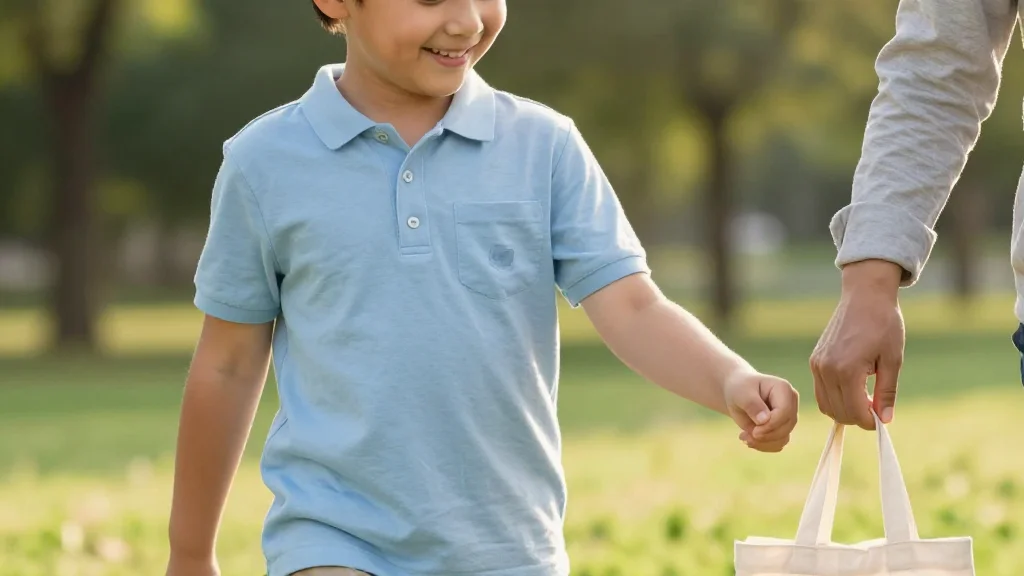
Survey Shows 58% of Dads Want Time Over Gifts for Father’s Day

Why It Matters
The survey highlights a cultural shift in how fathers view celebration, moving away from materialism toward relational experiences. For marketers, this signals an opportunity to redesign product assortments, advertising narratives, and promotional tactics to meet the demand for time‑focused gifts. For families, the data validates a growing desire for tech‑free, shared moments, potentially influencing broader parenting practices beyond a single holiday. In the broader fatherhood space, the preference for experience over goods may spill over into other consumer categories—such as travel, entertainment, and education—where fathers increasingly prioritize activities that foster bonding. Companies that anticipate and cater to this trend could gain loyalty not just during Father’s Day but throughout the year.
Key Takeaways
- •58% of American dads want quality time with kids on Father’s Day
- •33% of dads would prefer no gift at all
- •Average Father’s Day spend per shopper is $199
- •Total U.S. Father’s Day spending hit a record $24 billion in 2025
- •44% of dads prefer a homemade meal over a restaurant outing
Pulse Analysis
The YouGov findings arrive at a pivotal moment for the consumer‑gift ecosystem. Historically, Father’s Day has been anchored by predictable categories—ties, cards, and apparel—driven by legacy retail strategies and supply‑chain efficiencies. However, the data reveals a generational pivot: fathers, especially Millennials and Gen Z, are redefining celebration as a function of presence rather than possession. This mirrors broader trends in the experience economy, where consumers allocate a larger share of discretionary spend to activities that generate memories.
From a market perspective, the $24 billion spend is a double‑edged sword. While the sheer volume underscores the holiday’s commercial relevance, the concentration on low‑margin items like cards and clothing limits profit potential. Brands that can bundle experiential offerings—such as curated cooking kits, family‑game subscriptions, or digital detox packages—stand to capture higher margins and differentiate themselves in a crowded field. Early adopters like Airbnb’s “Family Retreat” bundles and grocery chains promoting “Dad’s Dinner Kit” are testing this hypothesis, but scaling will require coordinated supply‑chain adjustments and new measurement metrics for success.
Looking forward, the speed at which retailers can re‑engineer their campaigns will be a litmus test for agility in the fatherhood market. If the shift toward experience gains traction, we may see a reallocation of advertising spend from traditional media to platforms that emphasize storytelling and user‑generated content, reinforcing the narrative that the best gift is time spent together. This could also influence ancillary sectors—insurance, financial planning, and health—where fathers are increasingly seeking products that support family well‑being rather than individual consumption.
Survey Shows 58% of Dads Want Time Over Gifts for Father’s Day
Comments
Want to join the conversation?
Loading comments...