Why It Matters
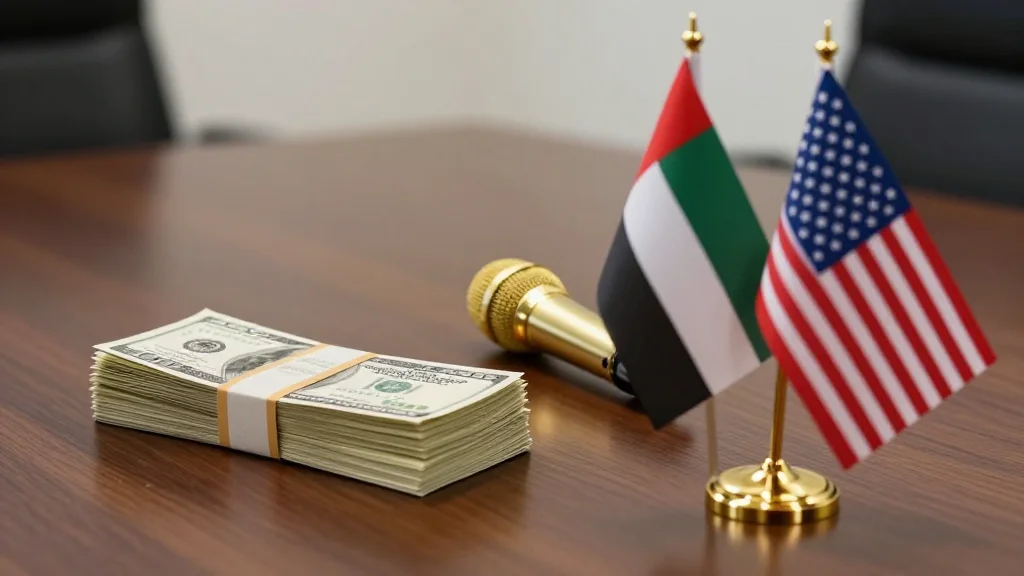
A U.S. swap line would reinforce the petrodollar system and help stabilize a key Gulf financial hub, reducing systemic risk for global markets. It also signals how geopolitical shocks can pressure sovereign currency pegs and reserve buffers.
Key Takeaways
- •UAE's dirham peg faces strain as foreign reserves dip amid war
- •UAE raised $4 billion via private placement at premium to shore liquidity
- •Officials discussed a potential dollar swap line with the U.S. Treasury/Fed
- •Oil shipment disruptions threaten dollar revenues, could push UAE toward yuan
- •IMF/World Bank warn regional recovery may not materialize until late Q2
Pulse Analysis
The ongoing conflict between Iran and its regional adversaries has exposed the fragility of the United Arab Emirates’ dollar‑linked financial architecture. With oil‑export routes through the Strait of Hormuz intermittently blocked, the UAE’s primary source of hard‑currency inflows has been curtailed, eroding its $270 billion reserve cushion. The resulting capital‑flight pressure has put the dirham’s peg under unprecedented stress, prompting the central bank to seek emergency liquidity from private investors, raising $4 billion in a fast‑track placement that carries a higher cost than typical sovereign funding.
In response, Emirati officials have floated the idea of a currency‑swap line with the U.S. Treasury and Federal Reserve, a tool historically reserved for close allies during crises. Such a swap would provide a direct dollar backstop, bolstering confidence among foreign investors and preserving the UAE’s status as a regional financial hub. The proposal also underscores the strategic importance of the petrodollar; any shift toward yuan‑priced oil transactions would undermine the dollar’s dominance in global energy markets, a scenario both Washington and the UAE are keen to avoid.
International institutions echo the cautionary tone. IMF and World Bank representatives at recent meetings warned that logistical bottlenecks—particularly the re‑deployment of oil tankers—may not clear until the end of June, delaying any swift economic rebound. The prospect of a U.S. swap line therefore carries dual significance: it offers immediate fiscal relief for the UAE while reinforcing the broader architecture of dollar‑centric trade. Investors should monitor the negotiations closely, as the outcome will influence sovereign‑risk premiums across the Gulf and could set a precedent for future currency‑swap arrangements in geopolitically volatile regions.
Deal Summary
Abu Dhabi raised around $4 billion from investors in a private‑placement transaction arranged by banks including Goldman Sachs earlier this month, as the emirate seeks to shore up its foreign‑currency reserves amid dollar stress caused by the Iran‑UAE conflict. The funds are intended to support the dirham’s peg to the dollar and mitigate capital flight. The deal was reported on April 20, 2026.
Comments
Want to join the conversation?
Loading comments...