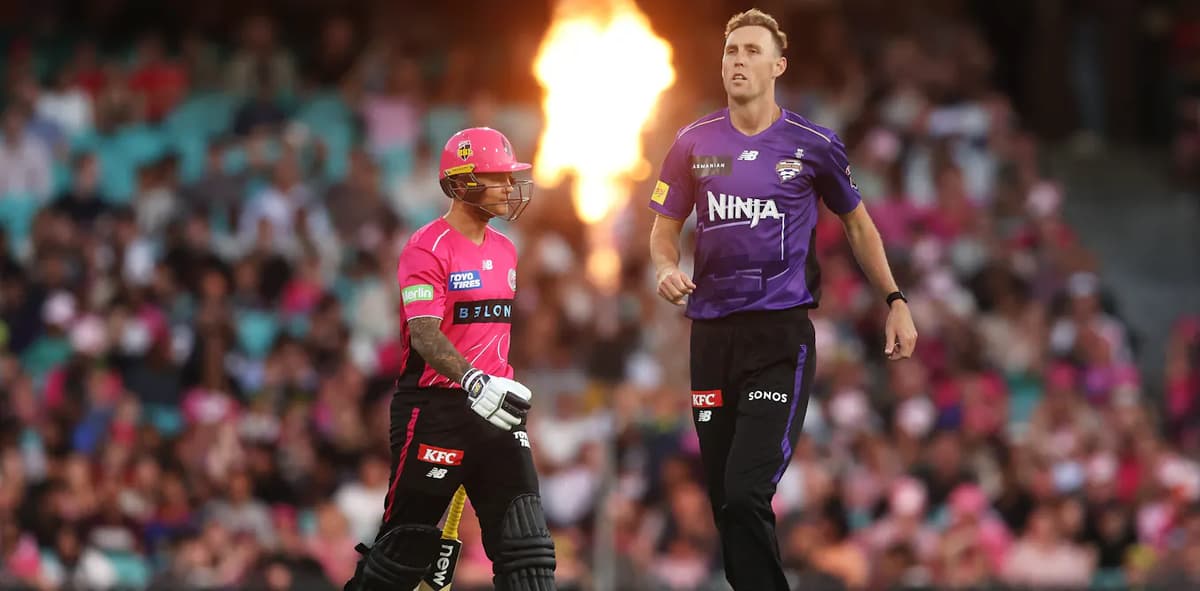
Cricket Australia’s Big Bash Cash Grab Is Rejected – but There Are Better Options on the Table
Companies Mentioned
Why It Matters
Without a major cash infusion, CA must secure financing that preserves league control and competitive balance, shaping the future of professional cricket in Australia. The decision also signals how state associations can influence national sport governance.
Key Takeaways
- •CA abandoned plan to sell BBL franchise stakes.
- •Queensland and NSW blocked required state support for privatisation.
- •Proposed sale could have raised $400‑$530 million USD.
- •CA’s 2023‑24 loss was about $21 million USD.
- •Debt financing emerges as a viable alternative.
Pulse Analysis
The Big Bash League has been a flagship product for Cricket Australia since its 2011 launch, delivering strong TV ratings and solid attendances. Yet the league’s financials have been shaky, with five losses in the past decade and a A$31.9 million (≈$21 million USD) deficit in 2023‑24. To address the shortfall, CA commissioned Boston Consulting Group to design a two‑tier privatisation model that could have raised up to A$800 million (≈$530 million USD). The plan hinged on five state associations approving partial or full sales of six clubs, but political resistance in Queensland and New South Wales halted the process.
State opposition stemmed from concerns over competitive equity, brand integrity, and fan loyalty. Critics warned that private owners might prioritize profit over the league’s parity, potentially reshaping team identities as seen in England’s Hundred competition. Moreover, the BBL’s current revenue‑sharing arrangement, which keeps clubs relatively balanced, could be disrupted by a market‑driven ownership model. The backlash underscores how deeply intertwined Australian cricket governance is with state bodies, and why any major structural shift must secure broad consensus.
With privatisation off the table, CA is turning to debt‑based solutions similar to Rugby Australia’s recent $80 million private‑credit facility. Debt financing allows the governing body to retain 100 % of commercial revenues while providing immediate liquidity for operational costs and player salaries. It also leaves the door open for future equity deals once the league stabilises financially. For CA, a carefully structured credit line could bridge the gap to the 2027‑28 season, fund growth initiatives, and preserve the BBL’s community‑centric ethos without sacrificing control to external investors.
Cricket Australia’s Big Bash cash grab is rejected – but there are better options on the table
Comments
Want to join the conversation?
Loading comments...