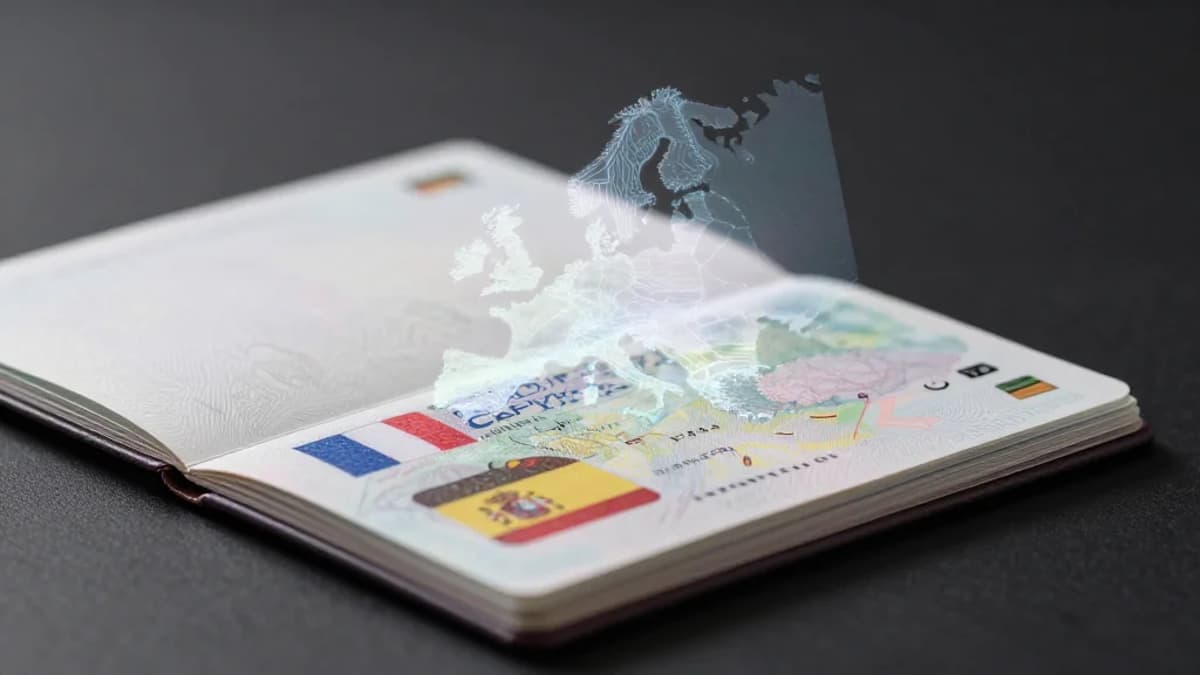
A Manual Process in a Digital World: Schengen Visas
•January 20, 2026
0
Why It Matters
The shift to a digital platform will cut processing times, lower error rates, and streamline cross‑border travel, benefiting travelers, agencies, and EU economies.
Key Takeaways
- •Schengen visa process remains largely manual.
- •EU plans digital platform EU VAP by 2030.
- •Biometric collection stays in‑person, once per five years.
- •Transition will vary by country adoption speed.
- •Current paper‑based system risks human error.
Pulse Analysis
The Schengen visa remains one of the few high‑volume government services that relies on physical paperwork. Each day thousands of applicants submit printed forms, original passports, and supporting documents that travel through consular offices by mail. Consular officers then perform a hand‑review, a step that, while historically reliable, introduces bottlenecks, increases operational costs, and leaves room for human error. In an era where airline bookings, hotel reservations, and border checks are fully digital, the persistence of a manual workflow creates a noticeable friction point for both travelers and service providers.
Recognizing this gap, the European Union has commissioned the European Union Visa Application Platform (EU VAP), a centralized online portal intended to replace the paper‑based process by 2030. The platform will allow applicants to upload documents, receive real‑time status updates, and schedule the sole biometric appointment required every five years. By digitizing data capture and decision workflows, EU VAP promises faster turnaround, improved data integrity, and easier cross‑border coordination among member states. However, the rollout will be uneven; countries with legacy IT infrastructures may need additional years to meet compliance standards.
The transition to EU VAP will ripple through the travel ecosystem. Visa‑processing agencies, which currently profit from handling paperwork and courier services, must pivot toward digital consultancy and compliance support. Airlines and tour operators stand to benefit from reduced visa‑related delays, potentially increasing demand for European itineraries. Moreover, the initiative aligns with broader EU digital‑single‑market goals, reinforcing data‑driven governance and security standards. As the platform matures, we can expect ancillary innovations such as AI‑assisted document verification and integrated travel‑insurance offers, further reshaping the landscape of international mobility.
A Manual Process in a Digital World: Schengen Visas
0
Comments
Want to join the conversation?
Loading comments...