AI Can Mimic Bloomberg. Replacing the Terminal Is Another Matter.
Companies Mentioned


Why It Matters
Bloomberg’s data reliability and network effects underpin trading efficiency, making any disruption a costly risk for firms. The rise of cheaper AI solutions pressures Bloomberg to defend its value proposition while highlighting the limits of AI in mission‑critical finance.
Key Takeaways
- •Bloomberg Terminal costs ~$30k per seat annually, still dominant
- •AI tools like Perplexity mimic basic feeds but lack Bloomberg’s network
- •Users value Bloomberg’s curated data, 24/7 analyst support, and chat ecosystem
- •Price pressure pushes firms to cheaper options, yet reliability remains essential
- •AI acts as a supplement, not a full replacement for the Terminal
Pulse Analysis
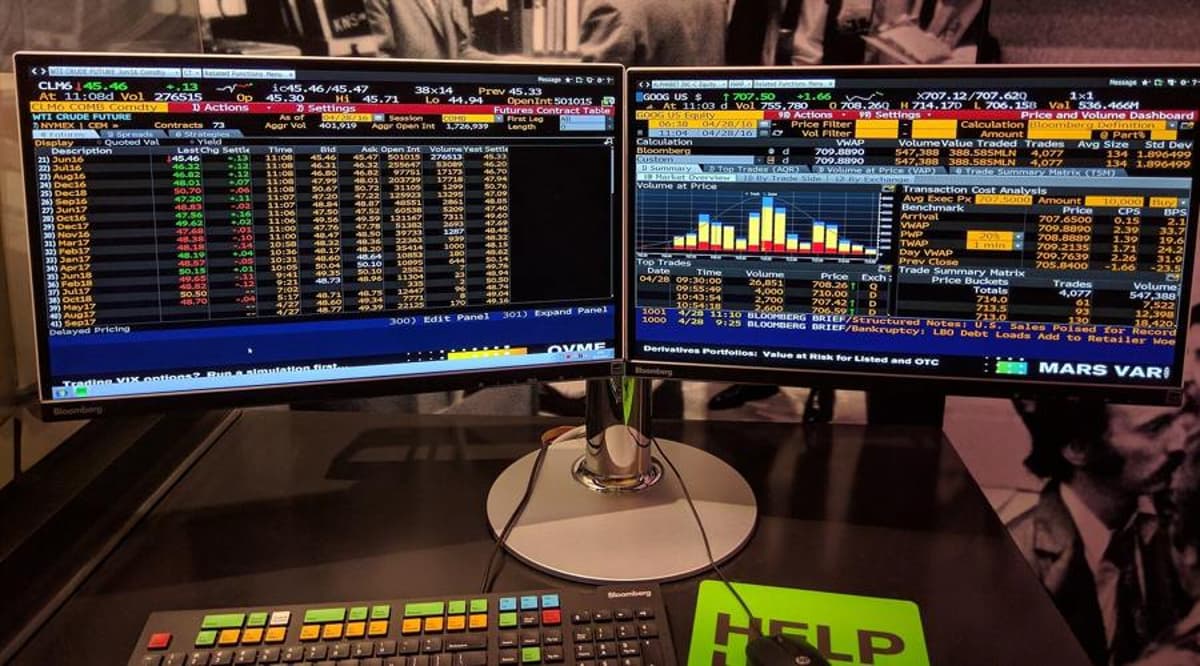
The Bloomberg Terminal’s staying power stems from more than its data; it is a self‑reinforcing ecosystem that blends real‑time market feeds, proprietary analytics, and a ubiquitous chat network used by traders worldwide. Even as AI startups demonstrate the ability to pull live quotes and generate charts, they cannot replicate the depth of Bloomberg’s vetted news, instant analyst commentary, and the social fabric that connects counterparties on a single platform. This network effect creates a high switching cost, ensuring that most desks retain at least one Terminal despite its $30,000‑a‑year price tag.
AI’s entry into the market introduces compelling efficiencies. Large language models can summarize earnings calls, extract key metrics from filings, and answer natural‑language queries in seconds, dramatically shortening the learning curve for new analysts. Yet, the finance sector’s tolerance for error is near zero; a single mis‑generated figure can trigger multi‑million‑dollar losses. Consequently, firms treat AI as a productivity enhancer—building custom dashboards or augmenting research—while keeping Bloomberg as the authoritative source for validated data and compliance‑grade information.
The competitive pressure forces Bloomberg to innovate, but its core advantage—reliability under market stress—remains hard to match. Recent outages have shown that while alternative data stacks can fill gaps, they lack the seamless integration and 24/7 support that traders rely on during volatile periods. As AI models become more sophisticated, they will likely deepen their role as auxiliary tools, but the Terminal’s entrenched position, brand loyalty, and indispensable network suggest that a full displacement is still a distant prospect.
AI Can Mimic Bloomberg. Replacing the Terminal Is Another Matter.
Comments
Want to join the conversation?
Loading comments...